

Get real hospital experience before college.
A structured hospital program for high school Scholars ages 16–17 preparing for college and healthcare careers. Gain hands-on patient care experience while supporting patients and healthcare teams within a trained, site-approved scope of practice—and build the confidence and insight to take your next step toward a healthcare career.
Prepare for your first shift with clear expectations, training, and program guidance.
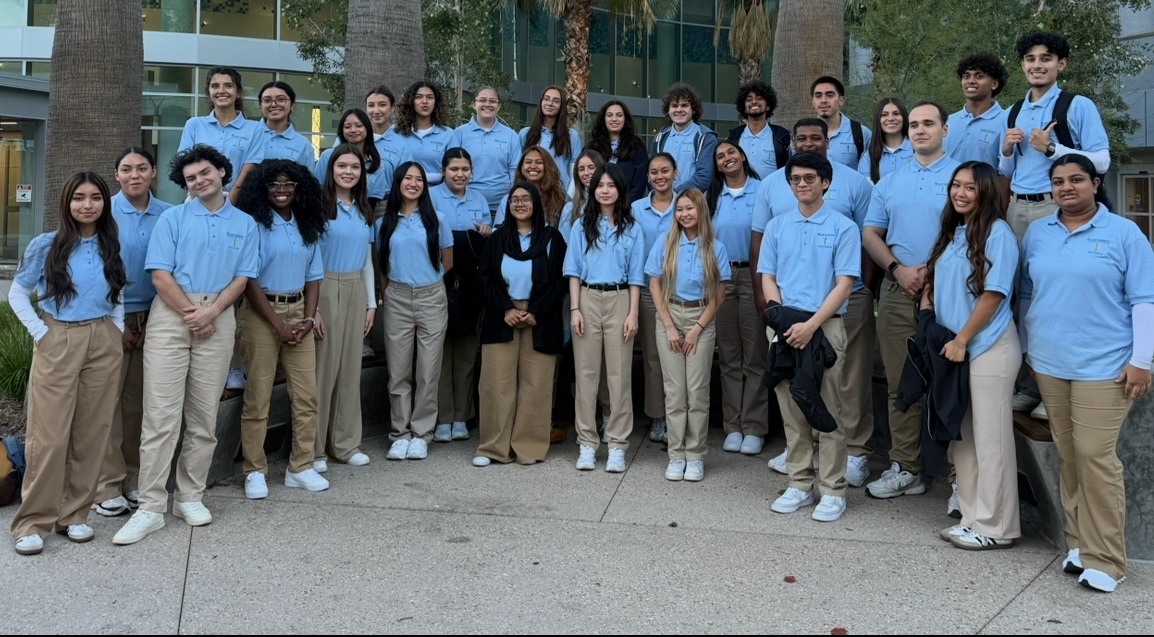
See the program through Scholar voices.
Explore the hospital environment, then hear directly from students who completed the experience.
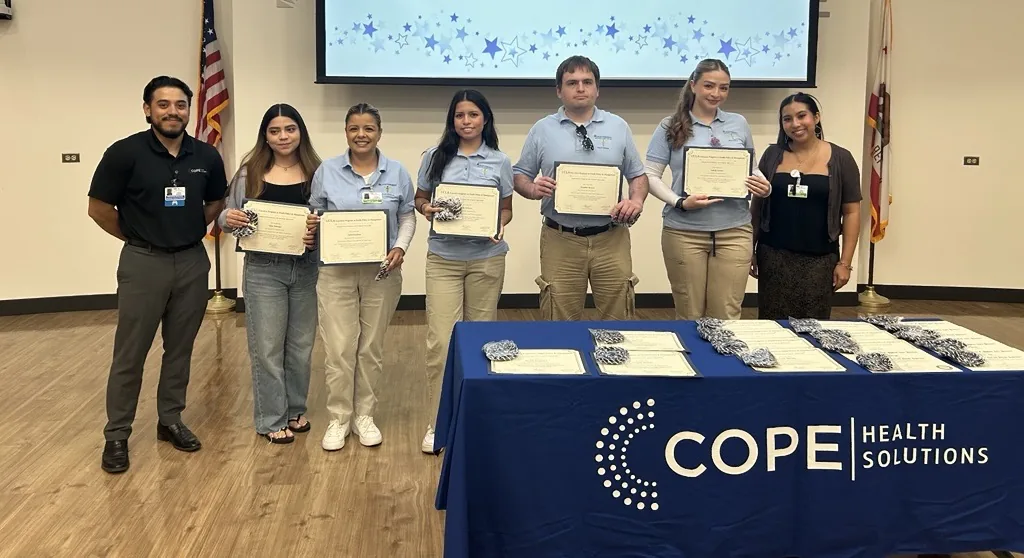
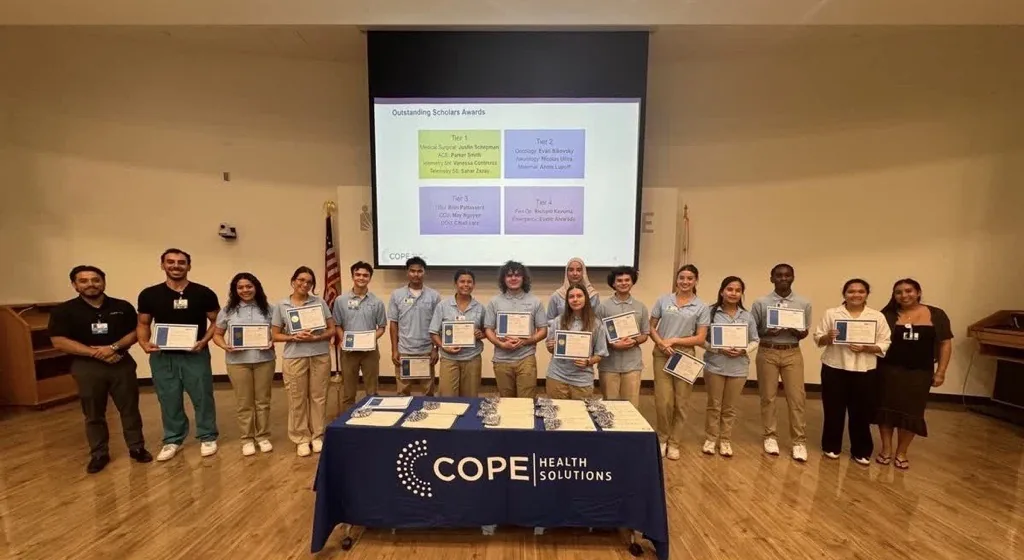
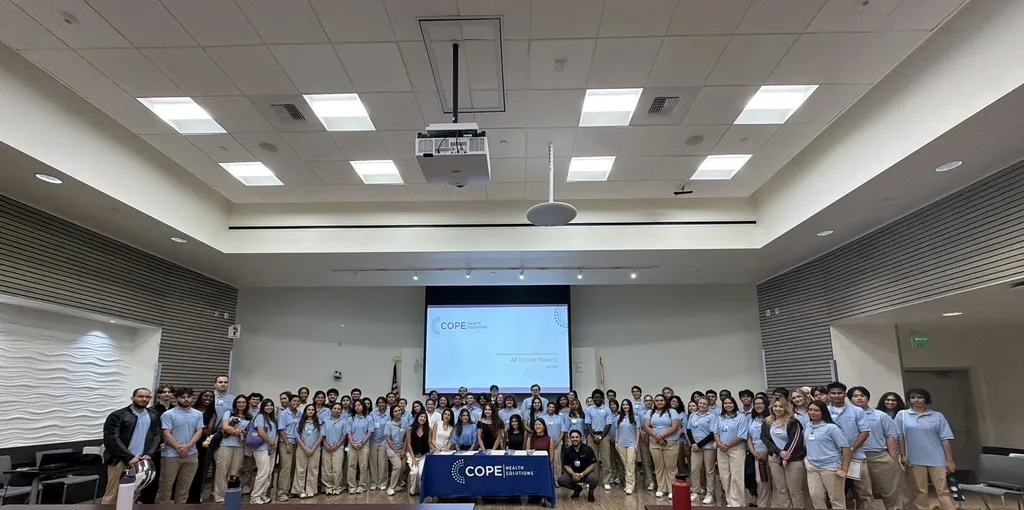
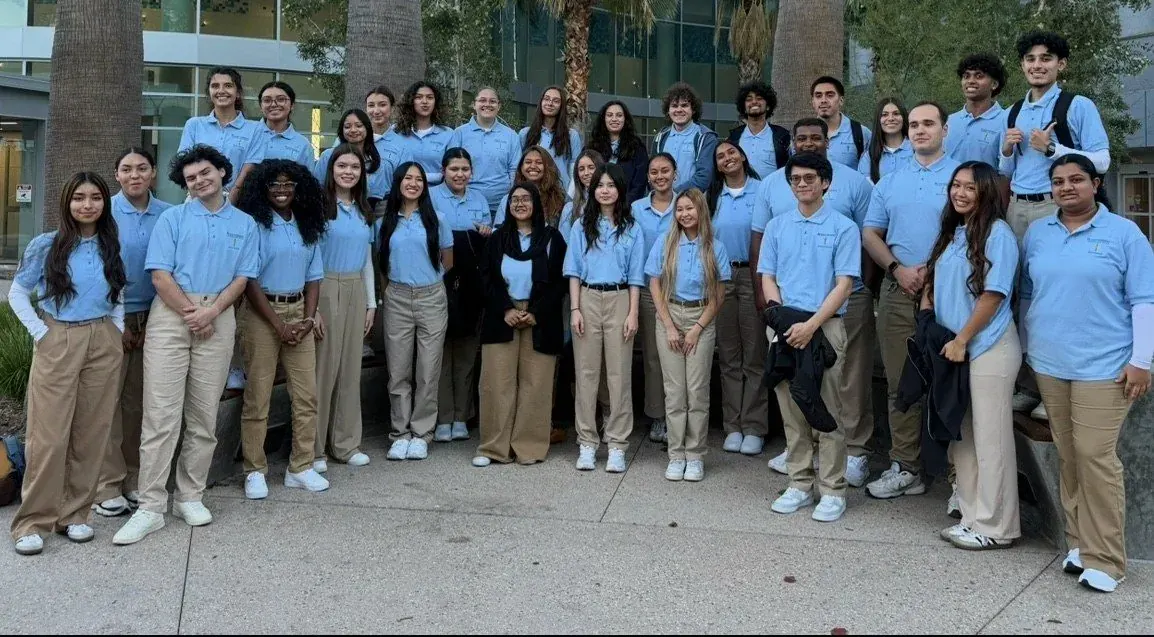
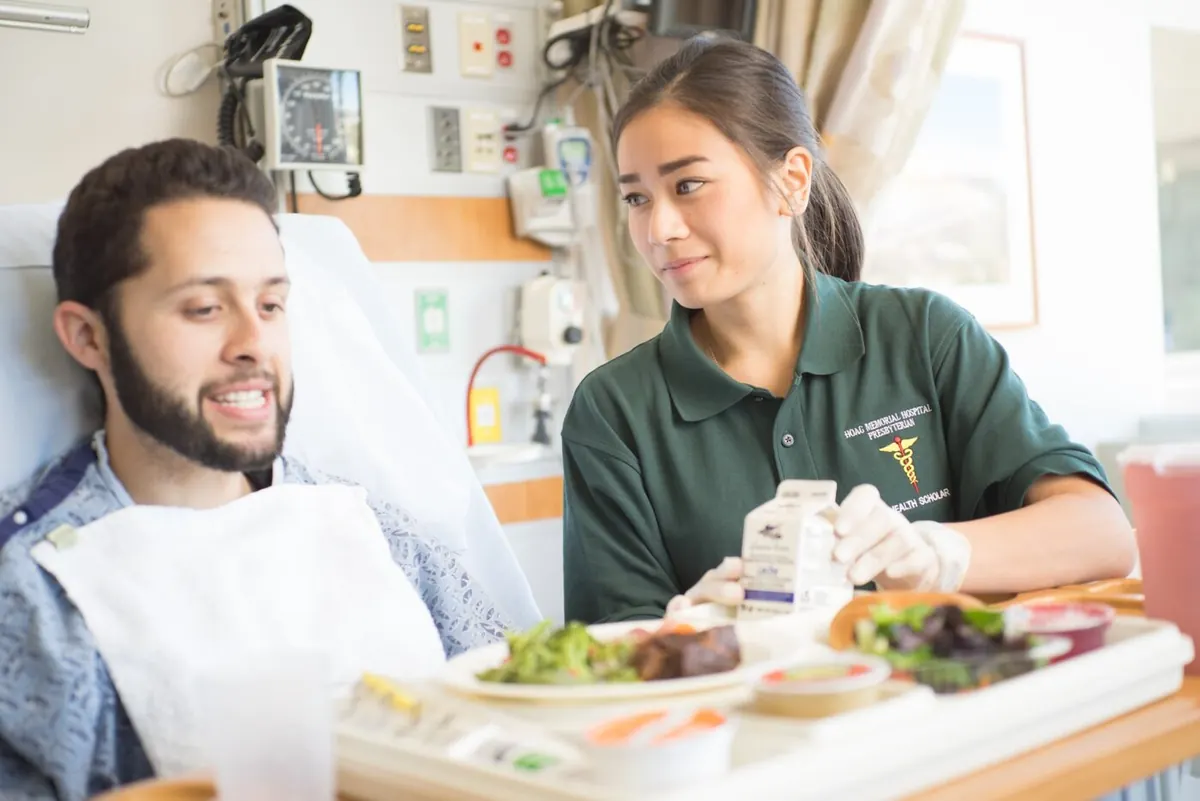

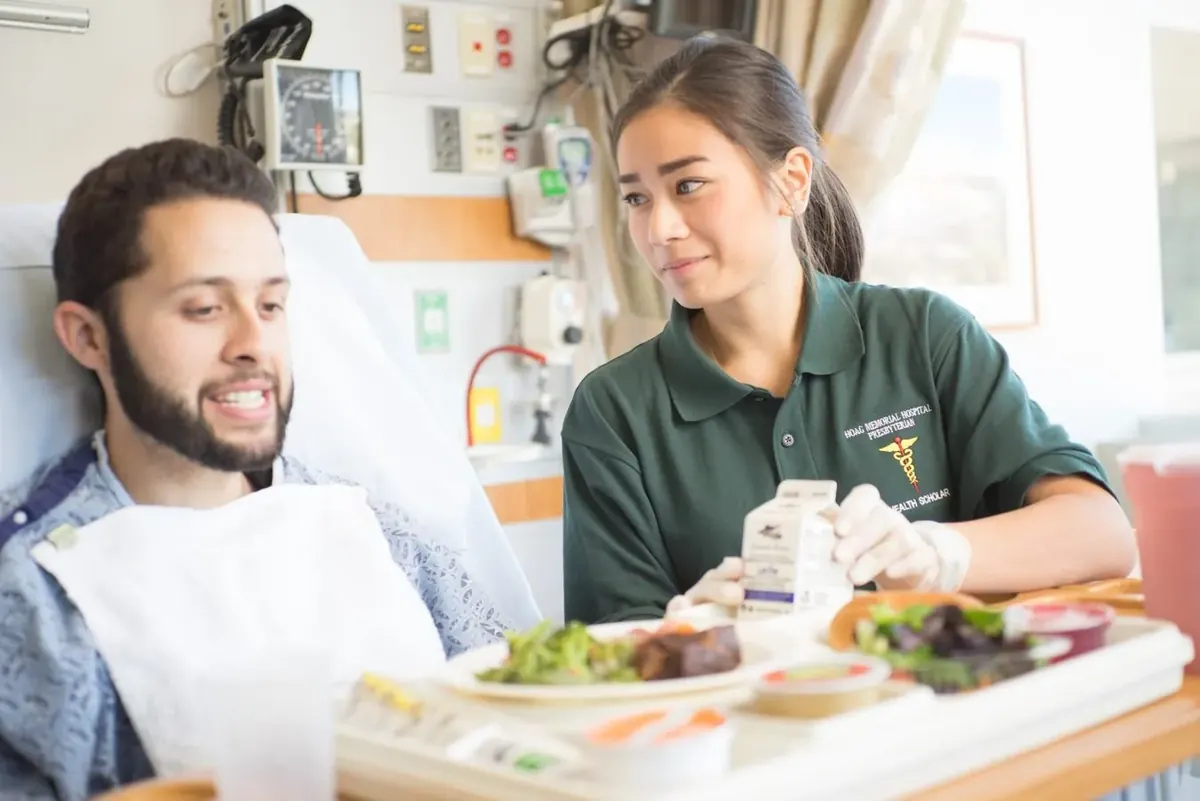
In their own words
Junior Health Scholars describe patient conversations, hospital teamwork, and what they learned about healthcare.

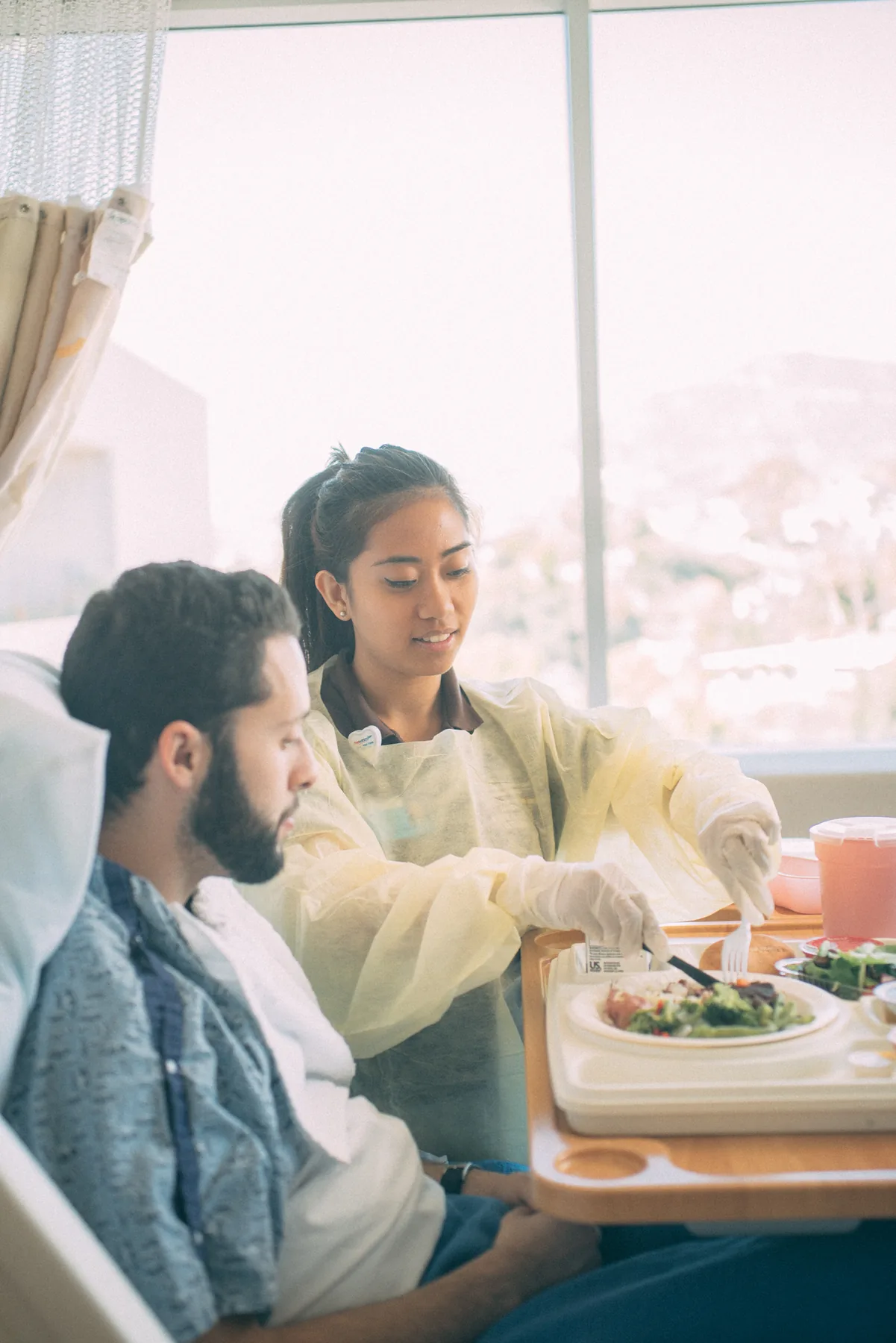
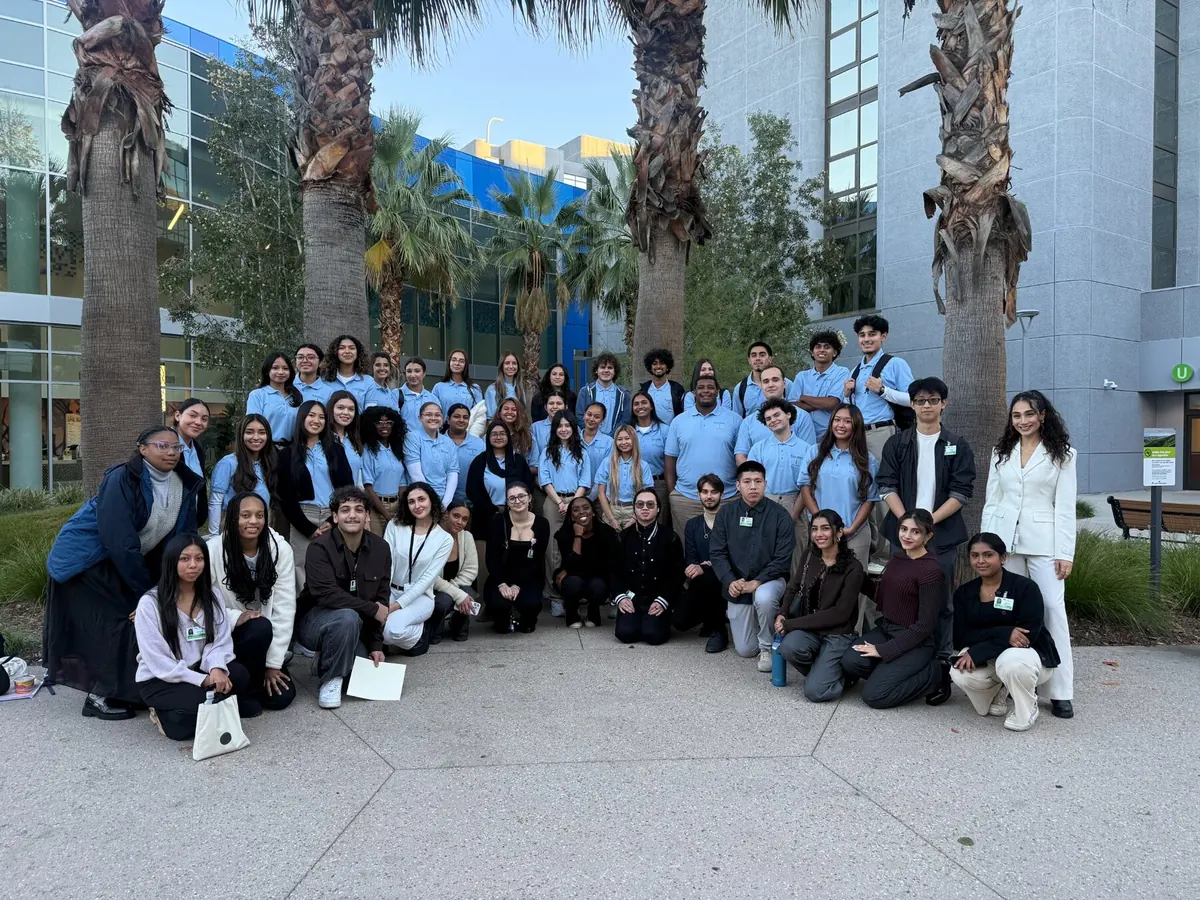
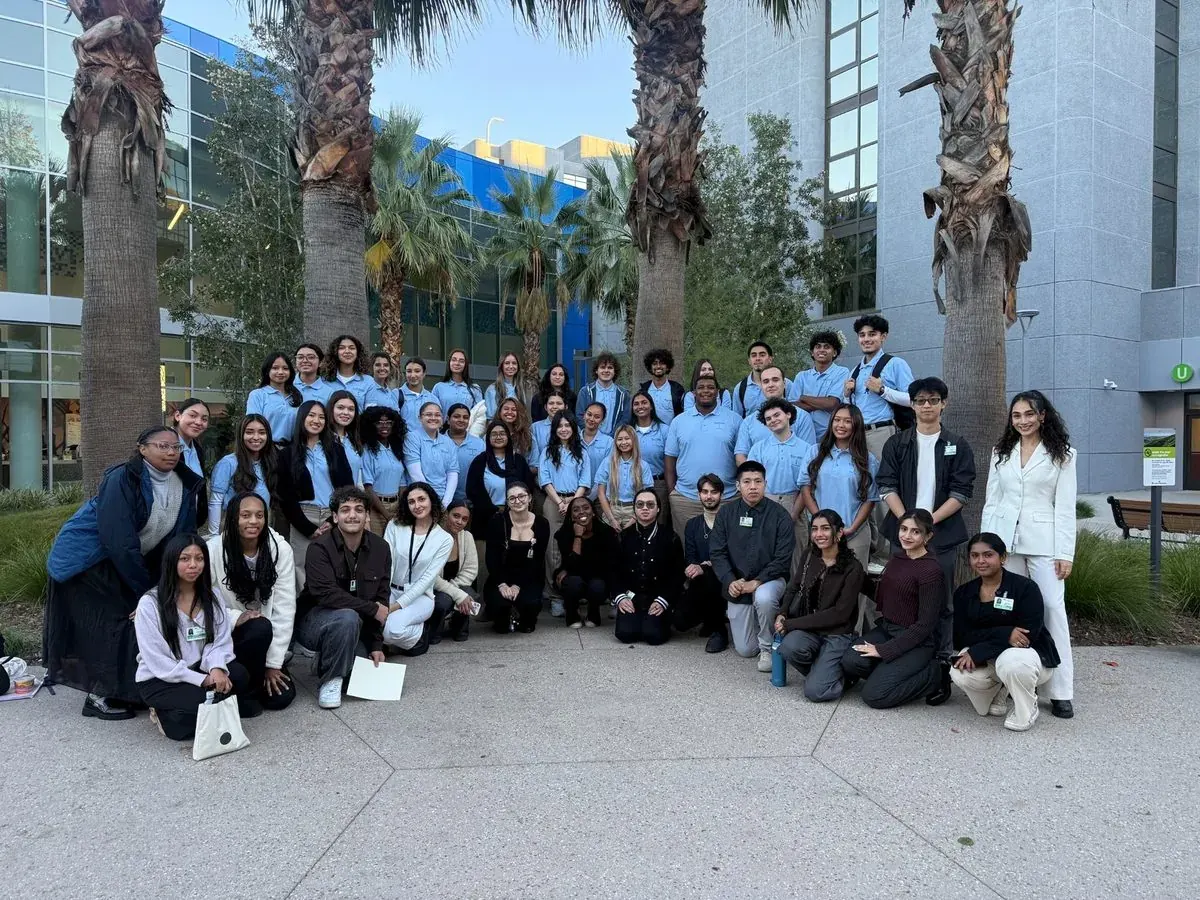
My experiences at COPE Health Scholars reshaped my understanding of what it means to be in healthcare. Learning material through textbooks provides a superficial comprehension of what individuals experience; serving others through sensibility means recognizing the humanity behind every diagnosis. By sitting and listening to patients, I discovered that care does not solely depend on deliverance through procedures or treatments, but rather through presence.

Through the Junior Health Scholars program, I’ve had the chance to interact closely with patients and work alongside compassionate healthcare staff. Observing nurses manage demanding days—like coordinating twelve patient discharges—showed me the teamwork and dedication behind quality care. This experience has taught me so much about clinical environments and has inspired me to pursue a future career on the clinical side of healthcare.
What you may actually do during a shift
A four-hour shift can include patient interaction, unit support, trained clinical assistance, hospital observation, and reflection.
Support comfort and connection
Respond to call lights, check on patients, assist with meals and feeding, offer comfort items, and help keep essential belongings within reach.
Listen, respond, and communicate
Speak respectfully with patients and families, relay needs to staff, assist with wayfinding, and communicate shift updates clearly.
Help patients move safely
Serve as a walking companion and support wheelchair transport, patient movement, discharge activities, safe positioning, and repositioning.
Build trained clinical skills
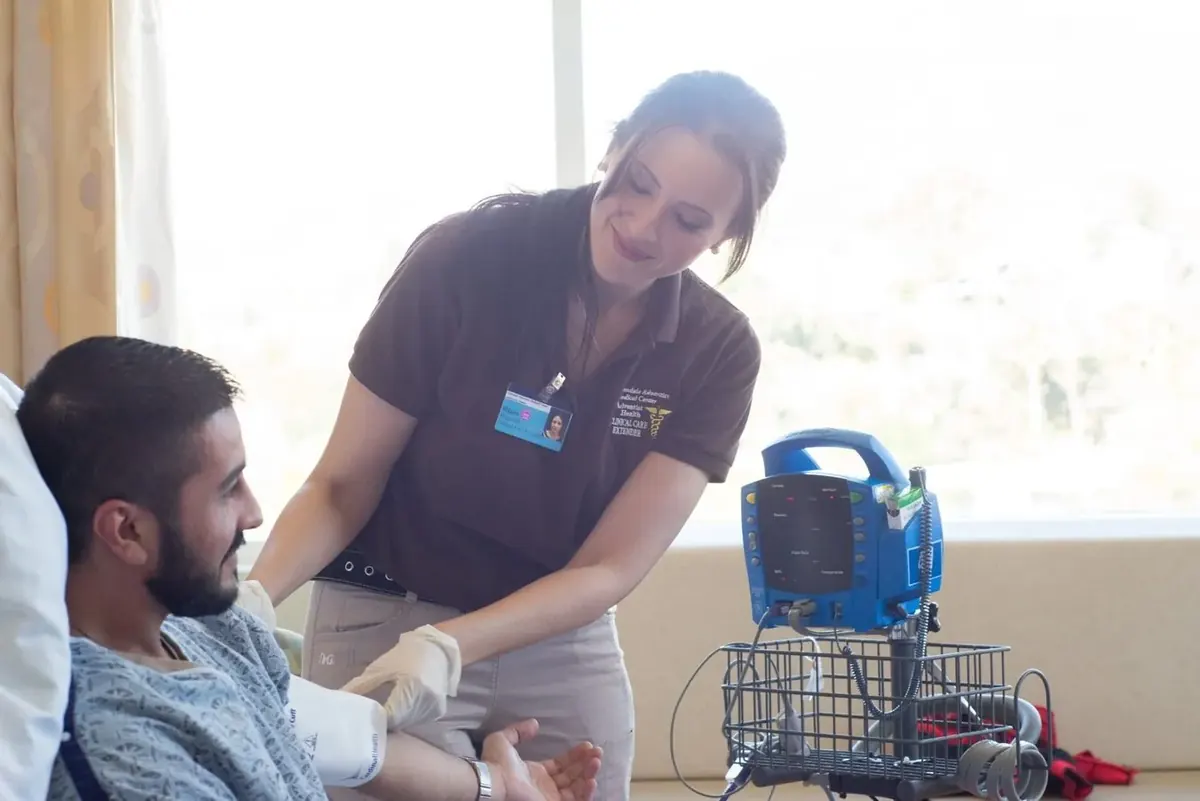
Assist staff with blood pressure, temperature, pulse, respiratory rate, and oxygen saturation; apply or readjust EKG and telemetry leads, and support rounding and room preparation.
See how the hospital works together
Observe patient care, procedures, and department workflows while learning how nurses, physicians, allied health professionals, and support teams coordinate care.
Reflect, improve, and leave with a story
Practice privacy, reliability, teamwork, and professional conduct; complete required documentation, ask thoughtful questions, and reflect on what the shift revealed about healthcare and personal career fit.
Your experience at the hospital: After training, Scholars take on age-appropriate responsibilities within the Junior Health Scholar scope of practice. Departments and activities reflect the opportunities and unit needs at the assigned hospital.
What a shift can build: Stronger patient communication, a clearer understanding of hospital teamwork, and specific experiences Scholars can accurately describe in school, college, and future applications.
Build practical skills and make a more informed next choice.
Scholars develop concrete examples of patient communication, hospital teamwork, privacy, reliability, and professional conduct that can support college and career decisions.
Stronger patient communication
Practice listening, respectful conversation, needs escalation, and clear communication with patients, families, and healthcare teams.
A clearer view of hospital care
Understand how clinical and nonclinical departments, nurses, physicians, allied health professionals, and support teams coordinate patient care.
Professional habits that become visible
Strengthen reliability, privacy, teamwork, accountability, documentation, professional conduct, and the judgment to ask for guidance when needed.
Documented experience for the next step
Use specific hospital experiences and verified participation in college applications, resumés, and interviews. With school approval, the experience may also support eligible high school experiential-learning or graduation requirements.
Compare roles, notice what interests you, and build professional habits you can carry into college.
Experience the environment and make a more informed choice about what to explore next.
Part of the broader COPE Health Scholars community.
COPE Health Scholars has more than 25 years of experience and 45,000+ alumni across its program community. These figures are organization-wide and are not specific to Junior Health Scholars.
Build on the value of hospital volunteering with structured preparation and learning.
Traditional hospital volunteering can provide meaningful service and valuable exposure. Junior Health Scholars builds on that foundation through structured preparation, age-appropriate patient and unit support, hospital learning, mentorship, and a clear completion milestone.
What to compare | Traditional Hospital Volunteering Meaningful service and exposure | Junior Health Scholars A structured patient-care and career-exploration pathway |
|---|---|---|
01 Program structure | Provides meaningful service and exposure, with responsibilities shaped by each hospital, department, and volunteer role. | A guided pathway combining preparation, defined patient support, hospital learning, mentorship, development, and completion. |
02 Preparation | Limited training may focus on orientation and the duties assigned to the volunteer role. | Blended preparation with assigned learning, three-day instructor-led and hands-on training, demonstrations, guided practice, and readiness checks. |
03 Patient support | Volunteer roles may provide limited clinical exposure, with hands-on responsibilities depending on the organization and role. | Defined, age-appropriate scope of practice that may include communication, call-light response, meals and feeding, walking companionship, transport, comfort, and trained clinical support. |
04 Clinical learning | Clinical learning may be primarily observational or focused on one assigned service area. | Hospital understanding through patient and unit support, healthcare-team interaction, and observation of procedures and workflows when available. |
05 Growth and support | Mentorship, workshops, and structured completion pathways vary by organization and may not be included in every role. | Ongoing development through guidance, mentorship, educational and professional-development workshops, and later COPE Health Scholars pathways when separately eligible. |
06 Completion | Documented-hour milestones and completion recognition vary by organization. | Program completion milestone and a Certificate of Completion. |
Program responsibilities vary by participating hospital. Review the full scope of practice and current site details before enrolling.
Full scope of practice and boundaries.
After training, Scholars may support patients and hospital teams through approved activities within the participating site’s current Junior Health Scholar scope of practice. Department mix, placement format, and available responsibilities vary by hospital.
Bedside Patient Care and Comfort
- Respond to call lights, check on patients, and relay needs to staff
- Assist with meals and feed patients without documented swallowing difficulties
- Serve as a walking companion and support approved comfort activities
- Support approved comfort measures, including warm or ice packs for staff administration
- Participate in active rounding and help keep essential items within reach
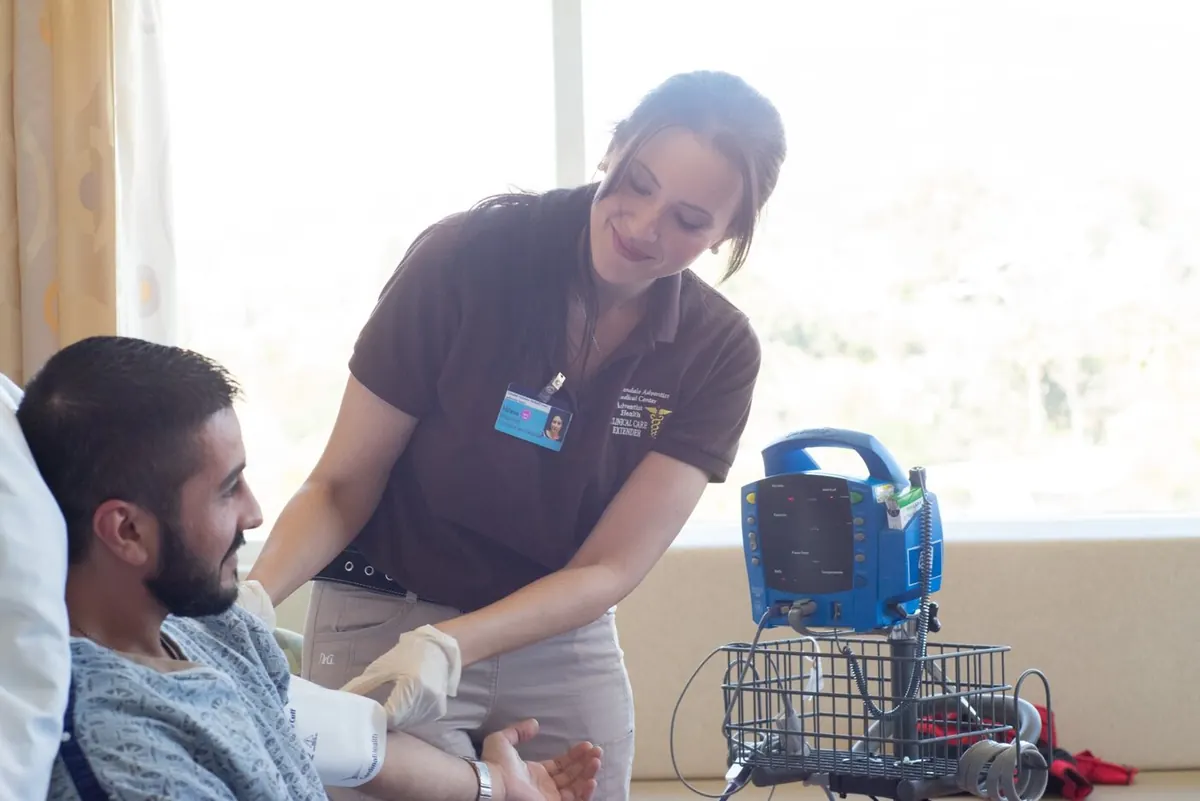
Vital Signs and Clinical Support
- Assist staff with vital signs: blood pressure, temperature, pulse, respiratory rate, and oxygen saturation
- Replace telemetry-box batteries when approved
- Apply or readjust EKG and telemetry leads and assist with sequential compression devices when approved
- Perform CPR chest compressions only during an emergency when trained
- Observe patient care, procedures, and hospital workflows based on department availability

Mobility, Transport, and Discharge Support
- Accompany patients while walking the unit and assist staff with approved mobility activities
- Assist with patient movement, transport, and wheelchair discharge support
- Support staff with fall-risk mobility activities under direct guidance
- Respond to bed alarms, call for assistance, and support safe patient positioning and repositioning
Patient Safety and Unit Operations
- Complete patient-safety rounding and immediately escalate concerns to staff
- Prepare rooms for admissions through non-cleaning support such as making beds, updating whiteboards, and placing safety signage
- Check that patient beds are locked and in the lowest position
- Restock and audit approved supplies and support site- and floor-specific initiatives
- Assist patients and visitors with wayfinding, televisions, and telephones
Clear scope of practice. Clear boundaries. Junior Health Scholars participate only in trained, site-approved activities, with staff approval or presence whenever required. Depending on the hospital’s model, Scholars may shadow Health Scholars or participate independently in approved patient-care settings. No specific department placement, activity, or procedure observation is guaranteed. Scholars do not perform cleaning, bathing, changing, toileting, personal hygiene, or activities involving patient nudity or intimate care.
Ready to picture your first shift?
Join a virtual information session or attend a free information session to understand the experience, schedule, training, and family support.
Real responsibility with clear safeguards for families.
Families can review training, supervision, clearances, scheduling, site expectations, and scope of practice boundaries before enrollment.
Every Scholar completes preparation and mandatory training, demonstrates readiness through assessments, fulfills clearance requirements, and participates under site policy, hospital-staff supervision, and a defined scope of practice.
What to confirm before enrolling
Before enrolling, ask about the current site scope of practice, department mix, placement format, schedule, clearances, completion details, and cohort availability.
Compare the fit before applying.
Bring questions about schedule, training, current site opportunities, family expectations, and what will help your Scholar feel prepared.
Complete the program requirements and earn a Certificate of Completion.
Scholars may include the experience and verified participation in college applications and resumés. With school approval, the program may also support eligible high school experiential-learning or graduation requirements; confirm school policies in advance.
The academic partner varies by participating site; confirm the applicable partner before enrolling.


Choose the pace that fits your schedule.
Every track leads to the same completion milestone. The difference is how many four-hour shifts a Scholar completes each week and how quickly the program can be completed.
- $21 application fee
- $21 application fee
- $21 application fee
Preparation, guidance, and completion benefits are included.
Each track includes the same core program services; only the pace and tuition differ.
Training, readiness & clearances
Assigned learning, mandatory three-day training, guided practice, assessments, compliance and background-check processing, and hospital onboarding coordination.
Program guidance & Scholar resources
Dedicated program management, ongoing guidance, mentorship, educational resources, and workshops when available.
Completion & alumni benefits
A COPE Health Scholars polo, site-based Certificate of Completion, graduation cord, hours-verification letter, recommendation-letter eligibility for Scholars in good standing, one-year alumni membership, and a preferred pathway to Health Scholars when separately eligible and space is available.
See certificate and academic-partner details for site-specific information.
Recommendation letters, workshops, mentorship, career resources, and the Health Scholars pathway depend on eligibility, good standing, site capacity, and availability. The application fee listed with each track is charged in addition to tuition. Confirm any separate health-documentation or site-specific costs before enrolling. Outside scholarships may be accepted toward tuition; alumni or member discounts may include educational, CPR, and professional-headshot offers under current terms.
Your COPE Health Scholars connection continues after completion.
Included Scholar benefit: Successful Scholars receive one year of access to the COPE Health Scholars Alumni Portal—a dedicated home for alumni resources, program updates, professional opportunities, and eligible partner benefits. Current Scholar and alumni offers may include up to 30% off eligible Kaplan preparation courses, 20% off eligible Summit CPR courses, up to 30% off eligible Fun Express activities, and 39% off eligible WASIO Faces headshots. Offers, eligibility, providers, and terms may change.
Training builds confidence for your first shift.
Before entering the hospital floor, accepted Junior Health Scholars build confidence through assigned videos, instructor-led learning, demonstrations, hands-on practice, guided feedback, and written and practical assessments. Exact content and sequence may vary by site and program cycle, but the goal is consistent: help Scholars feel prepared to communicate, contribute, and learn responsibly from day one.
Prepare Online
Complete assigned videos and pre-work before attending in-person training so foundational concepts are introduced in advance.
Learn the Foundations
Participate in instructor-led learning on healthcare systems, patient experience, ethics, safety, privacy, communication, and clinical foundations.
Watch and Practice
View demonstrations of site-relevant skills, then practice with guidance so expectations become clear.
Demonstrate Readiness
Complete written and practical assessments designed to confirm understanding before hospital placement.
Keep Learning
Continue developing through educational and professional-development workshops offered during the program, subject to availability.
Explore the training curriculum
From healthcare foundations to floor readiness
Training is designed to help Scholars understand not only what to do, but how to communicate, protect patients, recognize boundaries, and function responsibly within a healthcare team.
Healthcare & Program Foundations
- Program mission and expectations
- Hospital systems and roles
- Professional conduct
Patient Experience & Communication
- Patient communication
- Empathy and service
- Escalation and teamwork
Ethics, Privacy & Safety
- HIPAA and confidentiality
- Patient safety
- Emergency readiness
Clinical & Environmental Skills
- Vital-sign foundations
- Room and unit support
- Infection prevention
Readiness & Ongoing Learning
- Written assessment
- Practical assessment
- Workshops and continued development
Scholars receive demonstrations, guided practice, feedback, and support before demonstrating readiness. Placement begins after all required training, clearances, and site conditions are complete.
Requirements & clearances
Review the eligibility, health, screening, training, physical, and professional requirements for safe participation in active healthcare environments.
Eligibility and preparation
- Be accepted to or enrolled in high school and age 16–17 by the application deadline.
- Attend the mandatory three-day training after acceptance.
- Complete assigned pre-work, readiness assessments, required clearances, and site onboarding before placement.
Health coverage and records
- Maintain health insurance meeting Affordable Care Act minimum essential coverage requirements.
- Provide current records for MMR, Hepatitis B, Varicella, Tdap, TB screening, and the seasonal flu vaccine.
- The participating hospital may require additional health screenings or documentation.
Screening and site policies
- Complete background-check processing when required for hospital onboarding; processing is included in tuition.
- Complete drug testing when required and follow all substance-free learning-environment policies.
- Some sites restrict concurrent enrollment for current volunteers or employees; confirm with Admissions.
Physical participation
- With or without reasonable accommodation, be able to stand or walk for extended periods and bend, stoop, kneel, or reach as needed.
- Lift, move, or assist with equipment or materials weighing up to 50 pounds or more.
- Push or pull equipment and respond safely in active patient-care environments when directed by staff.
Professional conduct and scope
- Protect patient privacy and confidentiality and meet professional conduct expectations.
- Follow hospital-staff direction and all site policies.
- Participate only within completed training and the site’s current Junior Health Scholar scope of practice.
Site-specific requirements: Clearance, scheduling, placement, and accommodation processes vary by hospital. Contact Admissions or the site Program Manager for current details before enrolling.
Annual application deadlines by season.
Use the priority and final dates below to plan ahead. Training dates, start timing, site capacity, and placement availability vary by hospital; applying by the priority deadline does not guarantee placement.
Apply by the listed deadline and contact Admissions with questions about site availability, timing, or the best track for your goals.
Choose the hospital setting that fits your location and goals.
Review the available hospital locations, then contact Admissions to understand the current experience, schedule, and enrollment path for your preferred site.
Providence Saint John’s Health Center
Current examples include call-light response, patient communication, rounding, patient-safety support, meals and feeding, walking companionship, transport, trained vital-sign support, room preparation, observation, and unit operations.
Emanate Health
The Admissions reviews current departments and placement timing for the selected Emanate Health location.
MultiCare Health Systems Tacoma
The Admissions reviews current departments and placement timing for the Tacoma site.
Site-specific scope of practice and placement: The department mix, available activities, scope of practice limitations, placement format, schedule, and cohort capacity vary by hospital and current unit needs. The Admissions reviews the current site experience with accepted Scholars during admissions and onboarding.
From application to your first hospital shift.
A clear six-step process shows prospective Scholars and families what happens before placement.
Complete Your Application
Submit the application and required information for the site and cohort you are considering.
Interview With a Program Manager
After application review, selected applicants receive an interview invitation from a Program Manager.
Complete Enrollment
After acceptance, confirm your track, complete enrollment requirements, and select your payment option.
Complete Clearances
Finish all required health, screening, documentation, and site-specific clearance requirements.
Attend and Complete Training
Attend required training sessions and complete all readiness requirements.
Begin Your Hospital Shifts
Complete site onboarding, receive your schedule, and begin supporting patients and healthcare teams within your approved scope of practice.
Get the answers you need to move forward with confidence.
Answers to common questions about tuition, scope of practice, training, requirements, and next steps.
What is included in tuition?
Tuition supports training and readiness, clearance and background-check processing, hospital onboarding, ongoing program guidance, completion benefits, and one year of alumni membership. See the Tuition and Pacing section for the full breakdown and totals with listed fees.
Do I need to know that I want a healthcare career?
No. The program serves Scholars who already have a healthcare goal and Scholars who want a structured way to test their interest before college.
How can I use the experience and certificate in future applications?
Scholars can accurately describe their verified experience in college, scholarship, and early job applications. The experience may also support eligible high school experiential-learning or graduation requirements when accepted by the school, so confirm eligibility in advance.
How are activities guided?
Scholars complete training and clearances before placement and participate within the hospital’s current Junior Health Scholar scope of practice. Department mix, placement format, and available activities vary by site, unit needs, capacity, and availability. A specific department placement, activity, or procedure observation is not guaranteed. See the shift examples and full scope of practice above.
What happens during training?
Scholars complete assigned videos and pre-work, instructor-led learning, demonstrations, guided practice, and readiness checks before placement. The full process is shown in the Training and Readiness section.
Are educational and professional-development workshops included?
Junior Health Scholars may receive access to educational and professional-development workshops. Topics, format, eligibility, and availability vary by program cycle and site.
Which certificate will I receive?
Successful Scholars receive the Certificate of Completion associated with their participating site. See Certificate and Academic Partners for current site-specific details.
What are the main requirements?
Eligibility, health documentation, physical expectations, and other participation requirements are listed in the Requirements and Safety section.
What other COPE Health Scholars programs could I consider later?
As goals and eligibility change, Scholars may separately apply to Health Scholars, Care Navigator Scholars, or International Intensive Experiences. Each has its own experience, eligibility, selection, tuition, schedule, location, and availability.
Other COPE Health Scholars pathways.
As age, goals, and eligibility change, these separate programs may become relevant. Each has its own scope of practice, requirements, tuition, schedule, and availability.
Considering more than one program?
Attend a Free Info Session first. Eligibility, schedules, site capacity, and each program’s requirements still apply.
01Junior Health Scholars ProgramAges 16–17 beginning their healthcare journey
Ages 16–17 by the application deadline; no prior healthcare experience required.
Online preparation, instructor-led and hands-on training, then recurring hospital shifts.
Complete all program requirements to earn a Certificate of Completion.
Junior Health Scholars exploring medicine, nursing, allied health, public health, or healthcare operations.
02Health Scholars ProgramAdults 18+ seeking broad, hands-on hospital experience
Ages 18+; no prior healthcare experience required.
Structured preparation followed by recurring hospital shifts and exposure to available hospital departments.
Complete all graduation requirements to earn a site-based Certificate of Completion.
Pre-health, nursing, medicine, allied health, healthcare administration, and Scholars testing a healthcare career direction.
03Care Navigator Scholars ProgramAdults 18+ drawn to navigation, population health, and coordination
At least 18 and accepted to, enrolled in, or graduated from an accredited college or university.
COPE Health Scholars preparation plus hospital-led systems and workflow training.
Complete all program requirements to earn a Certificate of Completion from the UCLA Fielding School of Public Health.
Population health, case management, social work, healthcare administration, public health, and care coordination.
04Japan International Health Scholar IntensiveParticipants seeking global healthcare and cross-cultural perspective
Open to participants from varied academic and professional backgrounds; review current cohort requirements.
An immersive Tokyo experience combining academic, professional, site-based, and cultural learning.
Complete the 12-day international intensive and applicable requirements to receive a Certificate of Completion from the UCLA Fielding School of Public Health.
Clinical, public health, policy, administration, healthcare business, and global health interests.
Review each program page for current eligibility, scope of practice, tuition, availability, and academic-partner details.
Ready to explore the hospital environment?
Review eligibility, requirements, tuition, and current site availability before applying.