

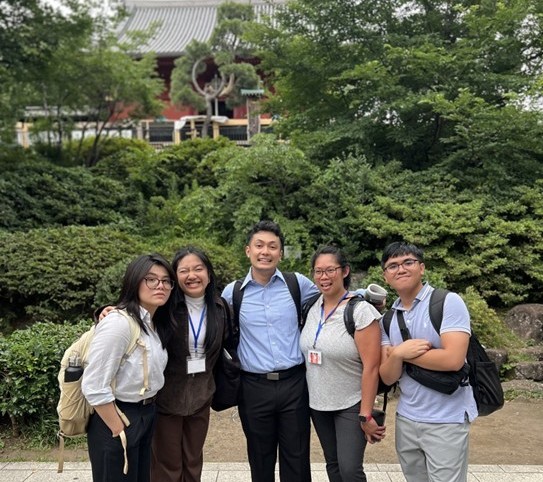
For Reilly, some of the most important learning happened when healthcare moved beyond the bedside. Conversations with executives and mentors connected the operational problems he had seen in clinical settings with the financial, policy, and leadership decisions that shape an entire health system.
Meeting senior healthcare leaders helped Reilly see familiar clinical frustrations from a different angle. Topics such as insurance, hospital sustainability, and system barriers were no longer abstract—they were connected to the real challenges leaders work through every day.
That perspective pushed him to think more seriously about how future clinicians can understand not only individual patient care, but also the systems that influence access, cost, and outcomes.
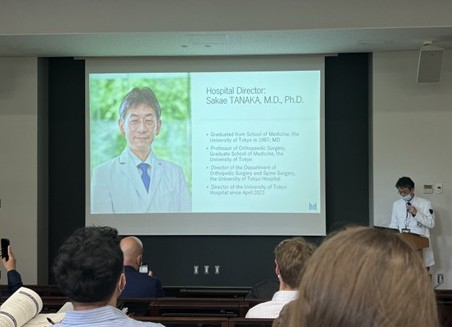
Lectures on healthcare spending, insurance models, cost containment, and value-based care became more meaningful when paired with hospital visits and conversations in Japan. Reilly describes the University of Tokyo and clinical site experiences as opportunities to see how national policy reaches all the way into daily operations.
He also noticed the tradeoffs that come with different system designs. Japan’s care pathways may reduce some emergency department congestion, while workforce shortages and an aging population create different pressures for regional hospitals.
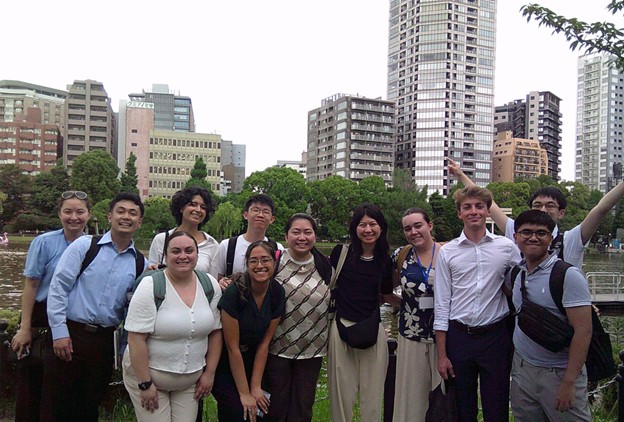
Cultural experiences were part of the learning rather than separate from it. Time spent exploring Tokyo, visiting cultural sites, sharing meals, and learning alongside the cohort gave the healthcare content a broader context.
Those experiences reinforced a central theme of global health: healthcare systems are shaped by the cultures, histories, expectations, and communities around them.
Reilly returned with a stronger interest in the intersection of clinical care, health administration, policy, and value-based care. The intensive gave him language and context for discussing healthcare beyond individual encounters and strengthened his interest in advocating for systems that are both sustainable and patient-centered.
For him, the Japan experience became a bridge between hands-on clinical experience and the larger decisions that determine how care is delivered.
Reilly Chow
International Health Scholar Intensive Alum, Tokyo, Japan – June ’25
Assistant Director of Projects | Health Scholar Leader @ Kaiser Permanente Irvine
Health Scholar, Kaiser Permanente Irvine