

See healthcare beyond one role, one hospital, and one country.
Spend 12 immersive days in Tokyo comparing the U.S. and Japanese healthcare systems through graduate-level learning, guided educational visits to clinical sites, and direct dialogue with healthcare leaders.
COPE Health Scholars program experience: The 45,000+ alumni and 25+ years figures reflect COPE Health Scholars programs overall. Japan Intensive experience: Two completed cohorts in 2025 and 2026.
Hear how the intensive changes the way Scholars see healthcare.
Named participant reflections connect the Tokyo experience to medicine, research, healthcare leadership, and a deeper understanding of how policy, culture, operations, access, and patient-centered care work together.

The Japan International Intensive transformed how I think about healthcare. Hospital visits, faculty-led discussions, and direct exposure to Japan showed me how policy, culture, operations, and patient-centered design shape care beyond the clinical setting. Visiting the Rehabilitation Hospital was especially powerful: the environment supported physical recovery, dignity, independence, and quality of life. The experience strengthened my clinical and systems-level thinking, continues to influence my path toward medicine and clinical research, and became even more meaningful through cohort friendships, cultural exploration, and engagement with healthcare professionals and faculty.

My favorite part of the program was interacting directly with Japanese clinic and hospital staff and other healthcare professionals. Their knowledge, openness, and generosity made the experience complete in a way lectures alone could not. Before the program, I had little understanding of value-based healthcare. Those conversations helped me appreciate its impact on outcomes and reshaped how I think about efficiency, access, and quality—ideas I hope to carry into my future healthcare career.

Traveling to Japan through COPE Health Solutions gave me valuable insight into a healthcare system built on universal coverage and a deep commitment to health and wellness. I was struck by how preventive care, accessibility, and respect for patients were integrated into everyday practice. The experience broadened my perspective on what is possible in healthcare and will continue to shape the way I approach medicine.
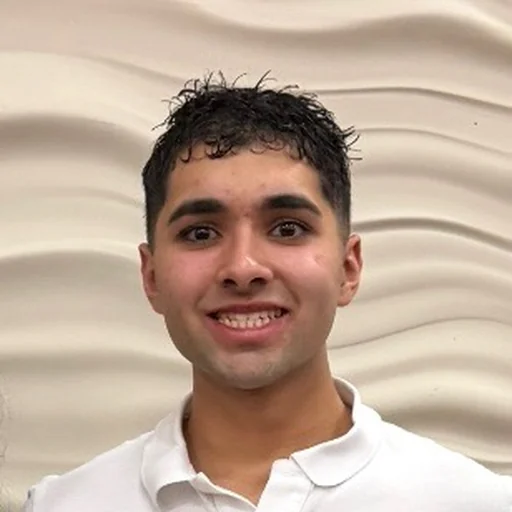
The Japan International Intensive has shaped me into a more confident and knowledgeable future medical professional. During my time, I had an enriching experience learning about fundamental differences in Japanese and American healthcare systems through insightful hospital visits, faculty lectures, and group discussions. Specifically, while visiting Koyama Memorial Hospital, I was inspired by their great attention to patient-centered, efficient care. I am very grateful for this once-in-a-lifetime experience where I got to experience a rich culture and learn how Japan approaches healthcare differently.

Being a participant in the COPE Health Scholars Japan Intensive was a great experience. The intensive provided opportunities for me to learn more about myself as an individual and as a future healthcare professional. It expanded my knowledge of healthcare by allowing me to learn about Japan’s healthcare system, culture, and unique approaches to patient care. One of the most important things I took away from the intensive was the value of personalized care and the importance of paying attention to the individual needs of patients.
Through comparing the healthcare systems of Japan and the U.S., I realized that there are benefits to both systems and that we should always look for ways to make improvements. The intensive increased my desire to provide compassionate and culturally sensitive care to people in the United States.
The lessons learned from this program will continue to influence me in delivering patient-centered care throughout my future healthcare career.
Different paths. One interconnected healthcare system.
Whether you are preparing for a clinical career or building a future in public health, administration, policy, research, analytics, quality, or operations, learn to see healthcare as an interconnected system—not a series of isolated roles.
Open to undergraduate and graduate students, recent graduates, career changers, and working Healthcare professionals and leaders from all academic backgrounds.
A 2.5 GPA or higher is required for students and recent graduates. Applicants with five or more years of professional experience may submit a current CV or resumé for review.
The intensive is conducted in English, with interpreters and bilingual support throughout scheduled program activities.
Understand the systems surrounding every patient
Connect access, cost, safety, policy, leadership, operations, and care coordination to the patient journey—adding depth to coursework, applications, interviews, and future clinical training.
Build perspective that travels across roles
Strengthen comparative systems thinking, communication, and leadership for work in public health, administration, policy, research, analytics, quality, operations, and beyond.
Learn it. Experience it. Apply it.
The intensive follows a sequenced curriculum—from pre-departure preparation and expert instruction to guided institutional learning, comparative analysis, and a faculty-mentored case presentation. Each stage builds the knowledge, context, and professional judgment needed for the next.
Learn
Build the foundation to understand two complex healthcare systems and the decisions that shape them.
Outcome: See healthcare beyond a single role, organization, or country.
Experience
See strategy, operations, culture, and care delivery come together across professional and cultural settings.
Outcome: Connect what you study to the people, places, and systems behind it.
Apply
Transform your observations into a professional team deliverable and a perspective you can carry forward.
Outcome: Leave with stronger systems thinking, presentation experience, and global perspective.
The Tokyo, Mt. Fuji, and Hakone excursions give Scholars context for how history, community life, transportation, public space, hospitality, aging, and cultural expectations influence how people experience health, care, and institutions. They also create space for reflection and stronger cohort relationships that enrich the academic experience.
See the intensive in action
Selected moments from the 2025 and 2026 cohorts—professional learning, clinical-site education, cultural exploration, and graduation.
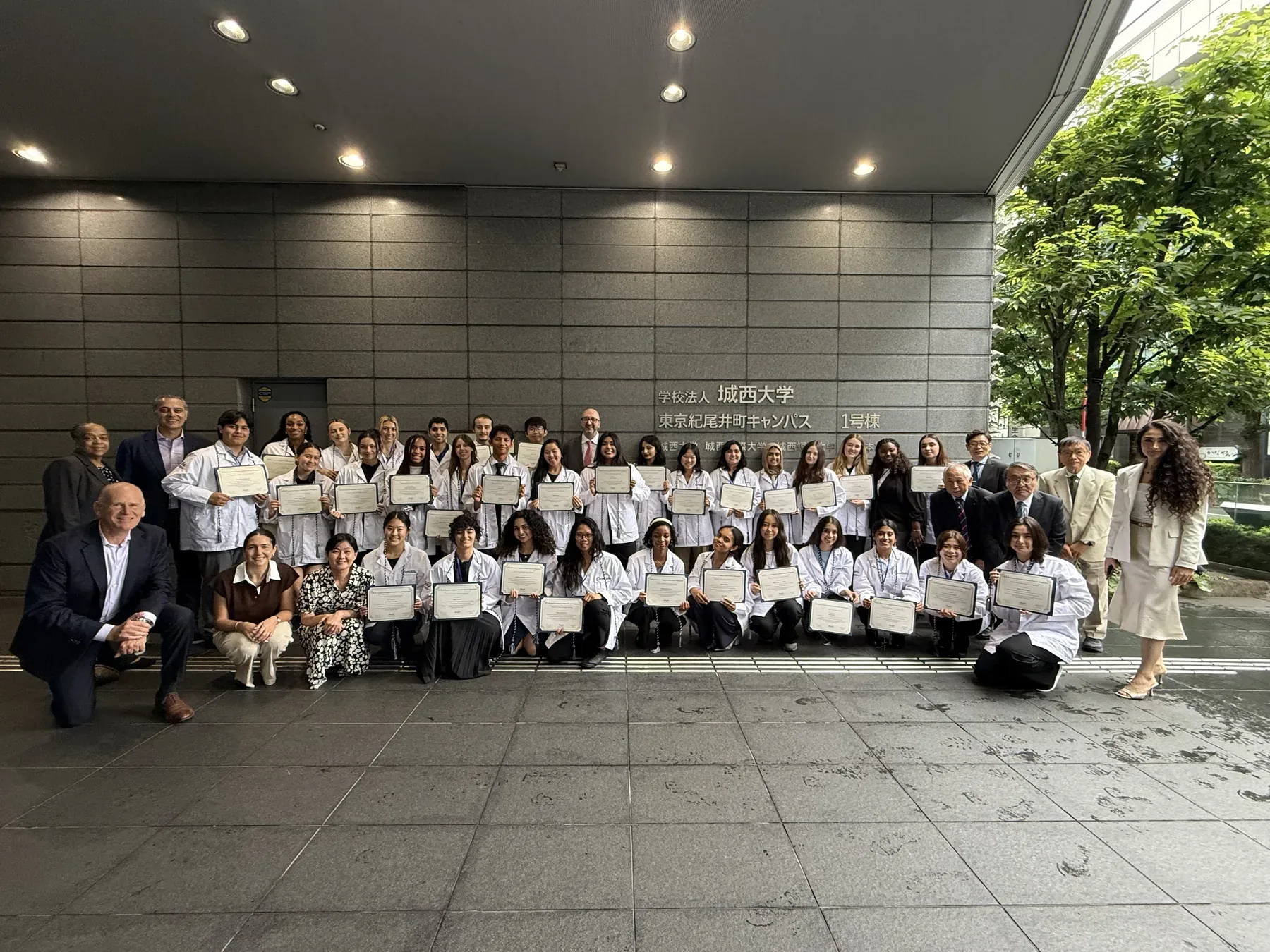
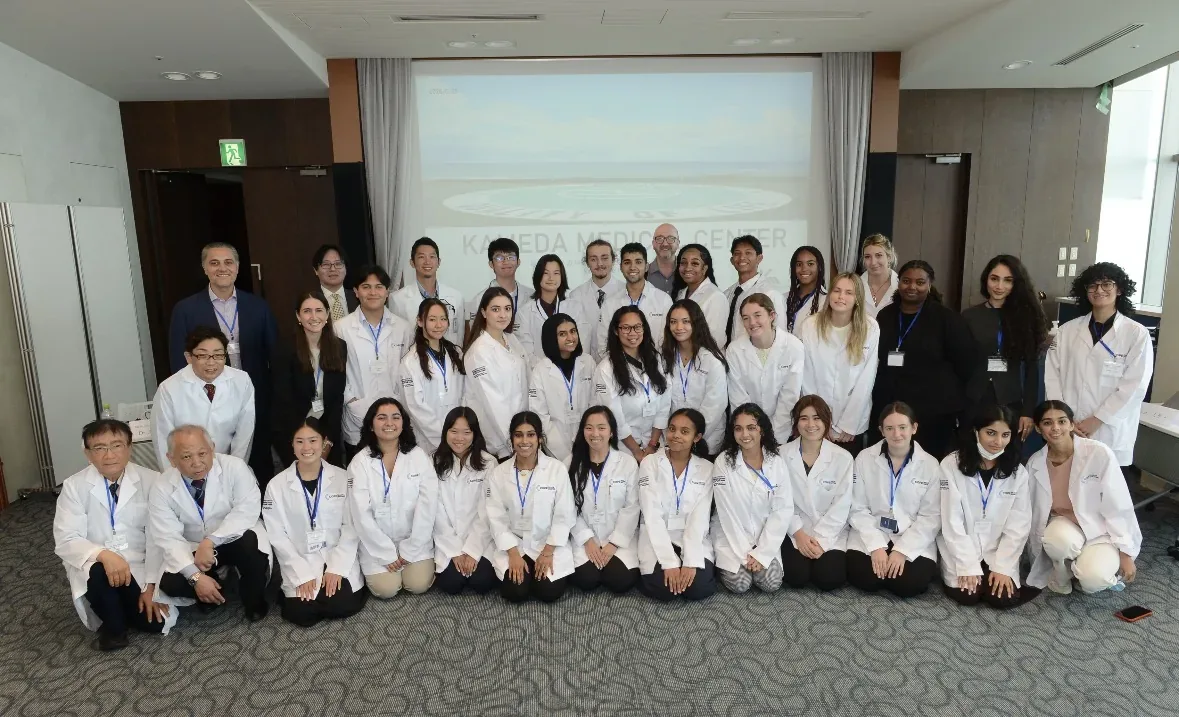
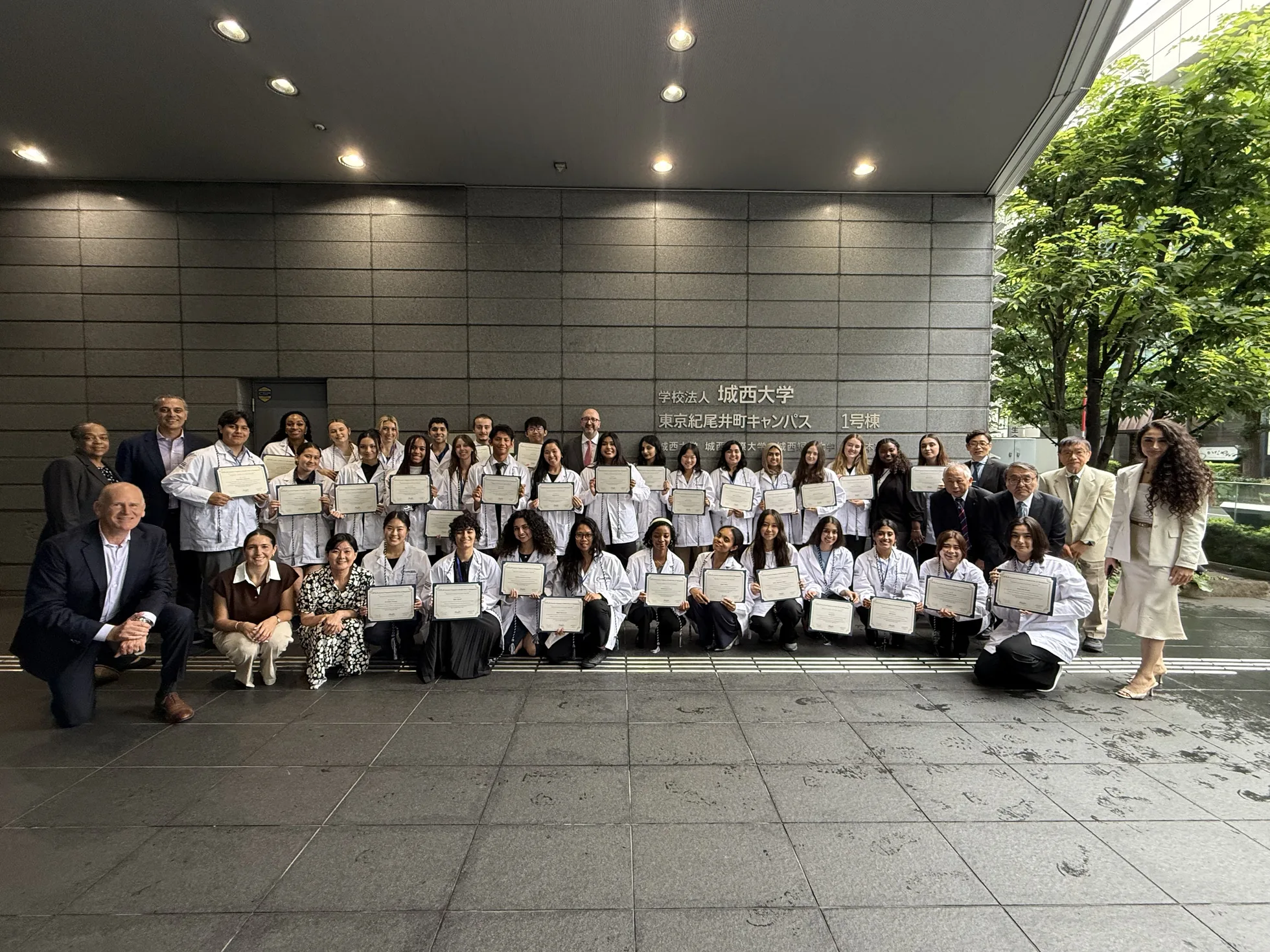
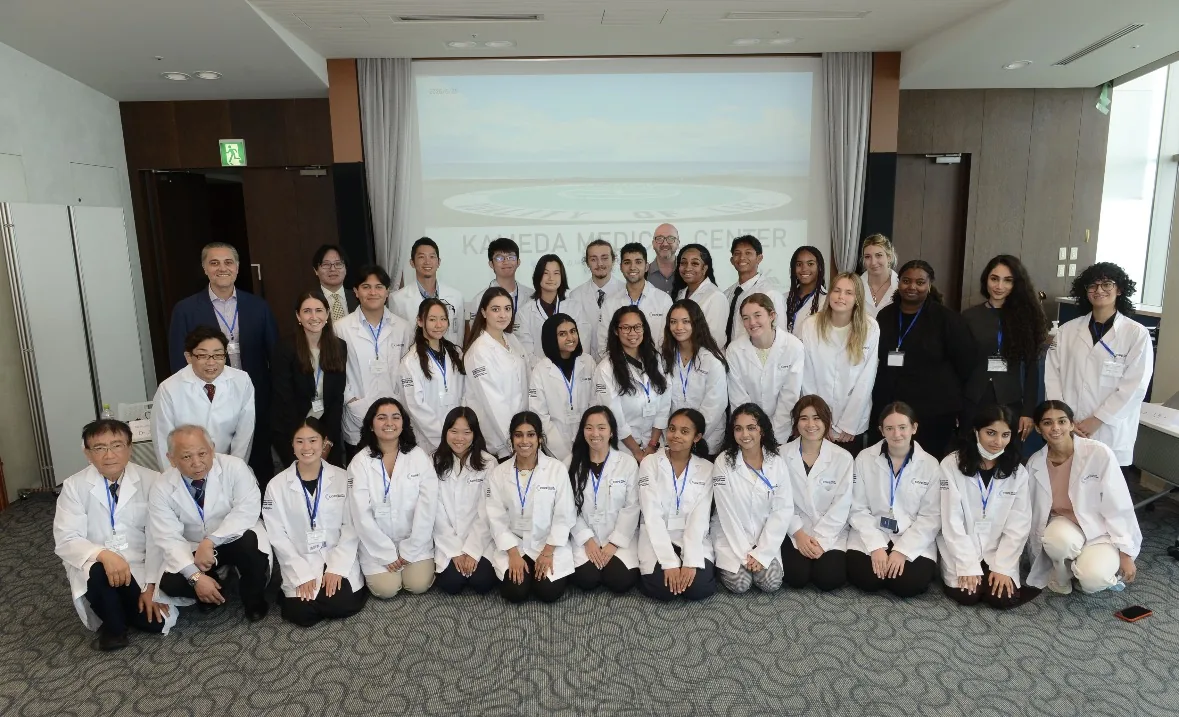
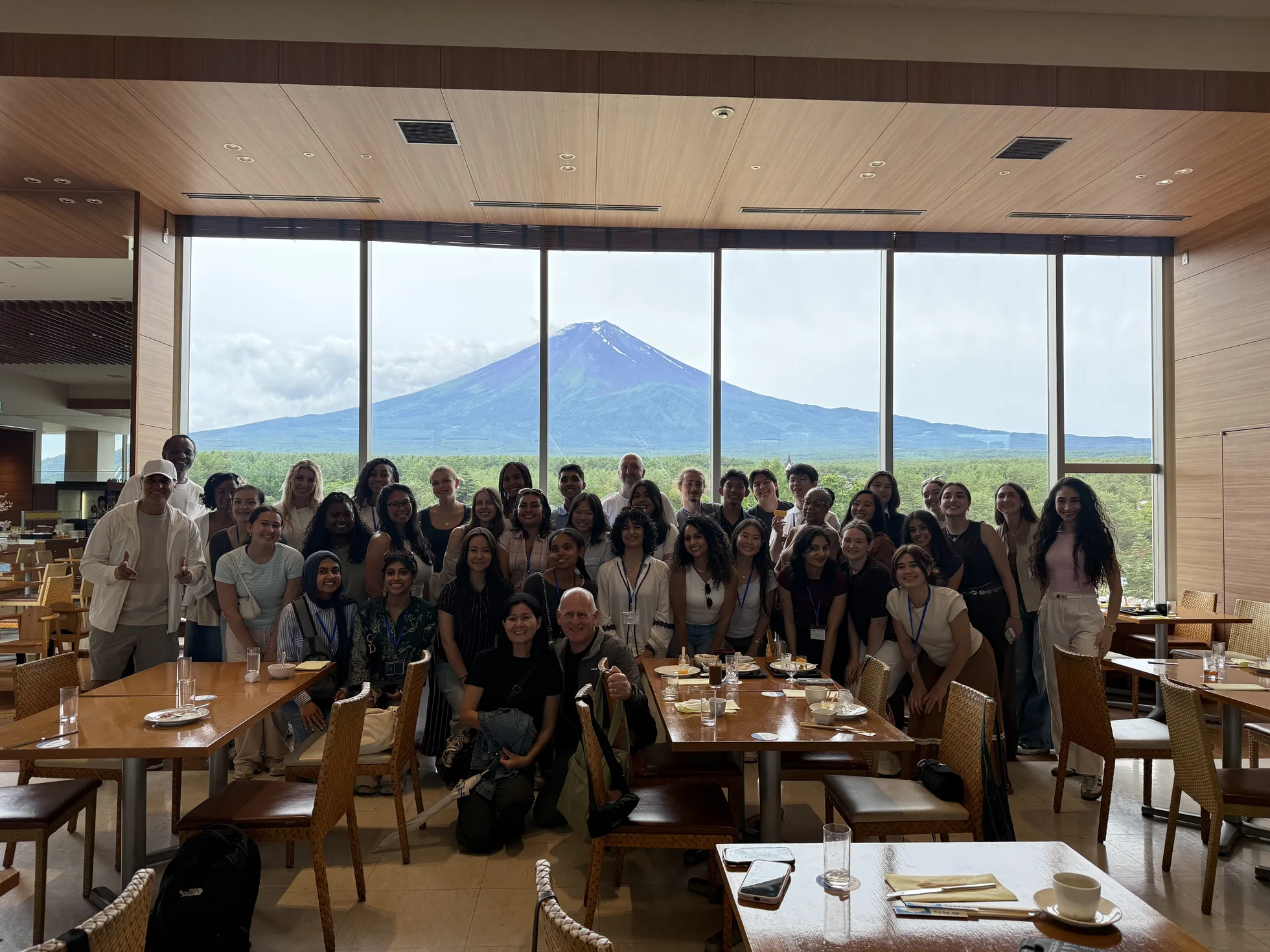
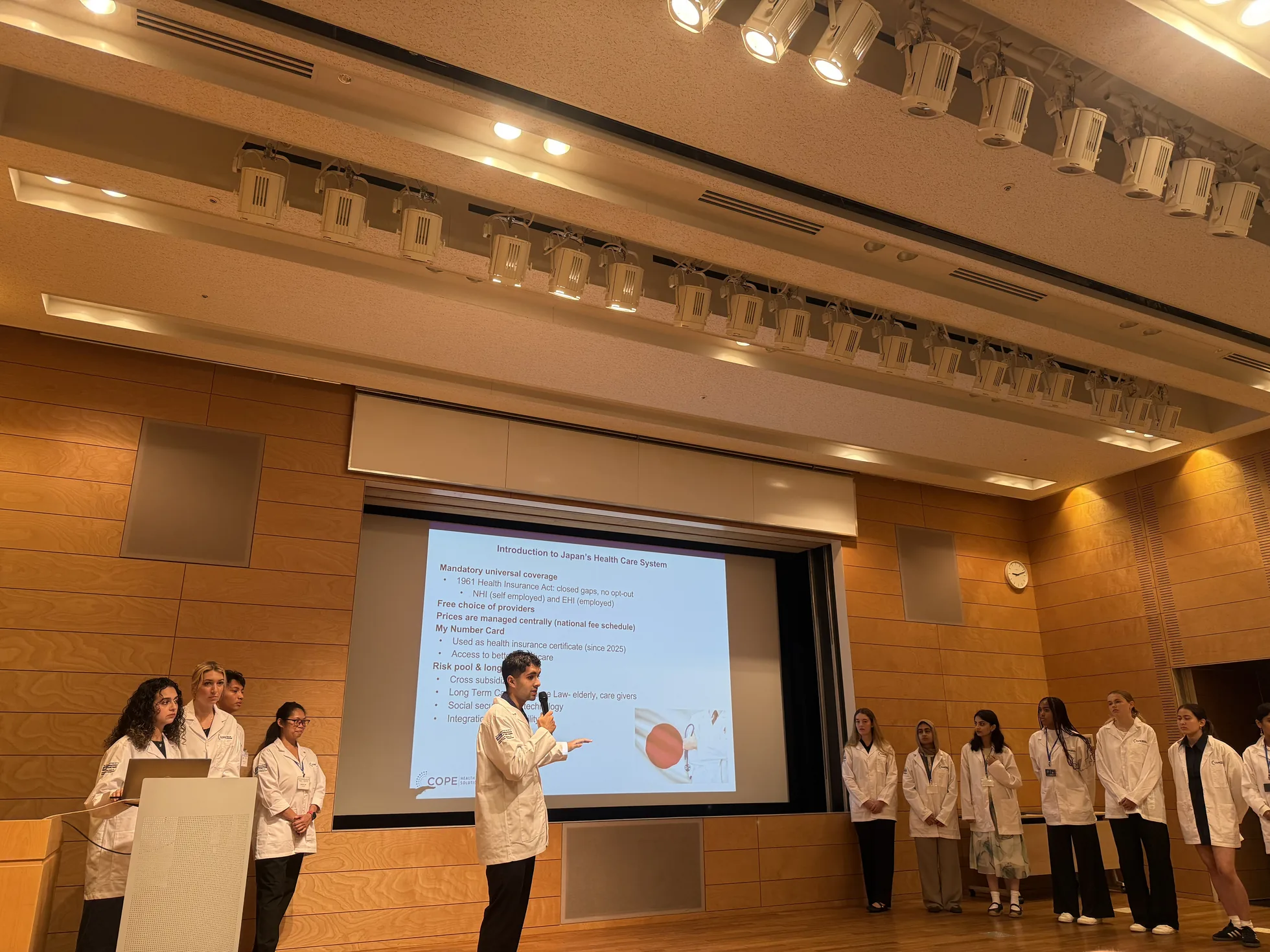
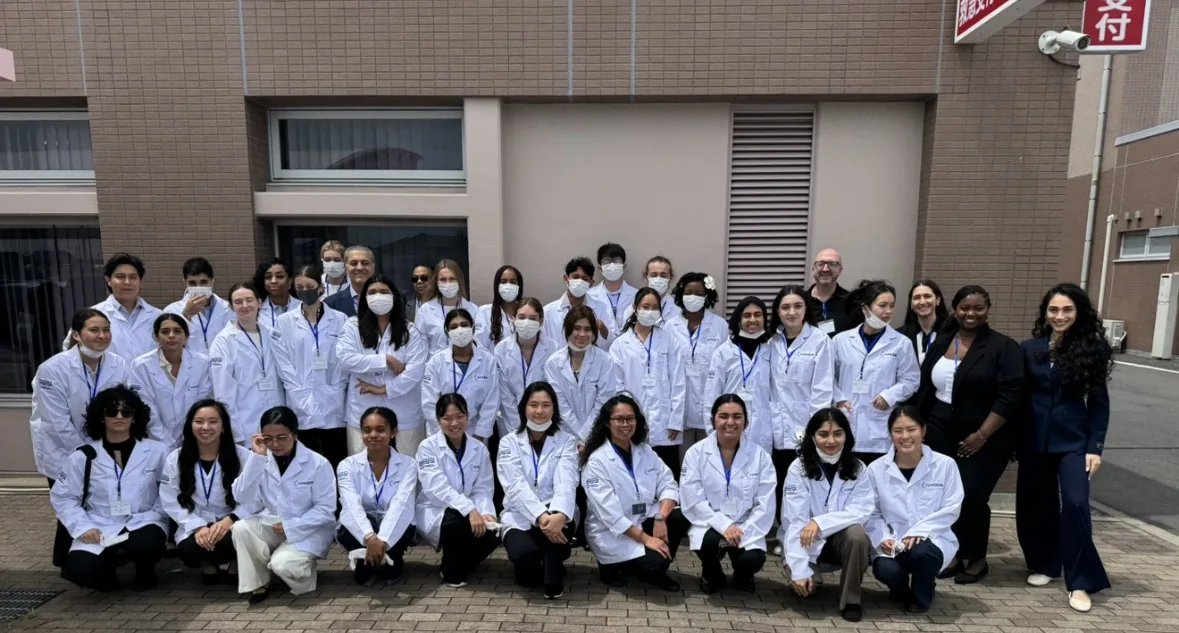
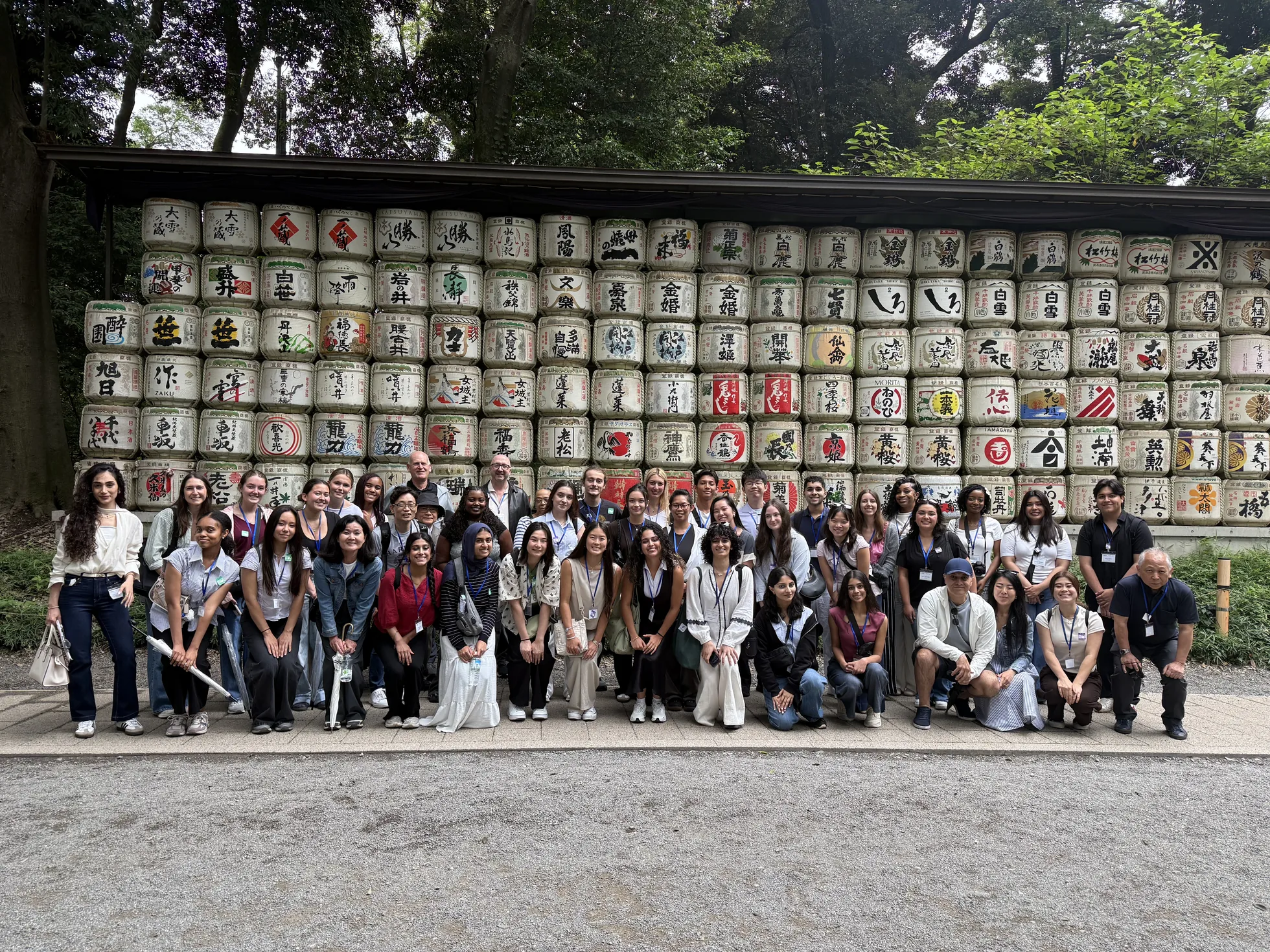
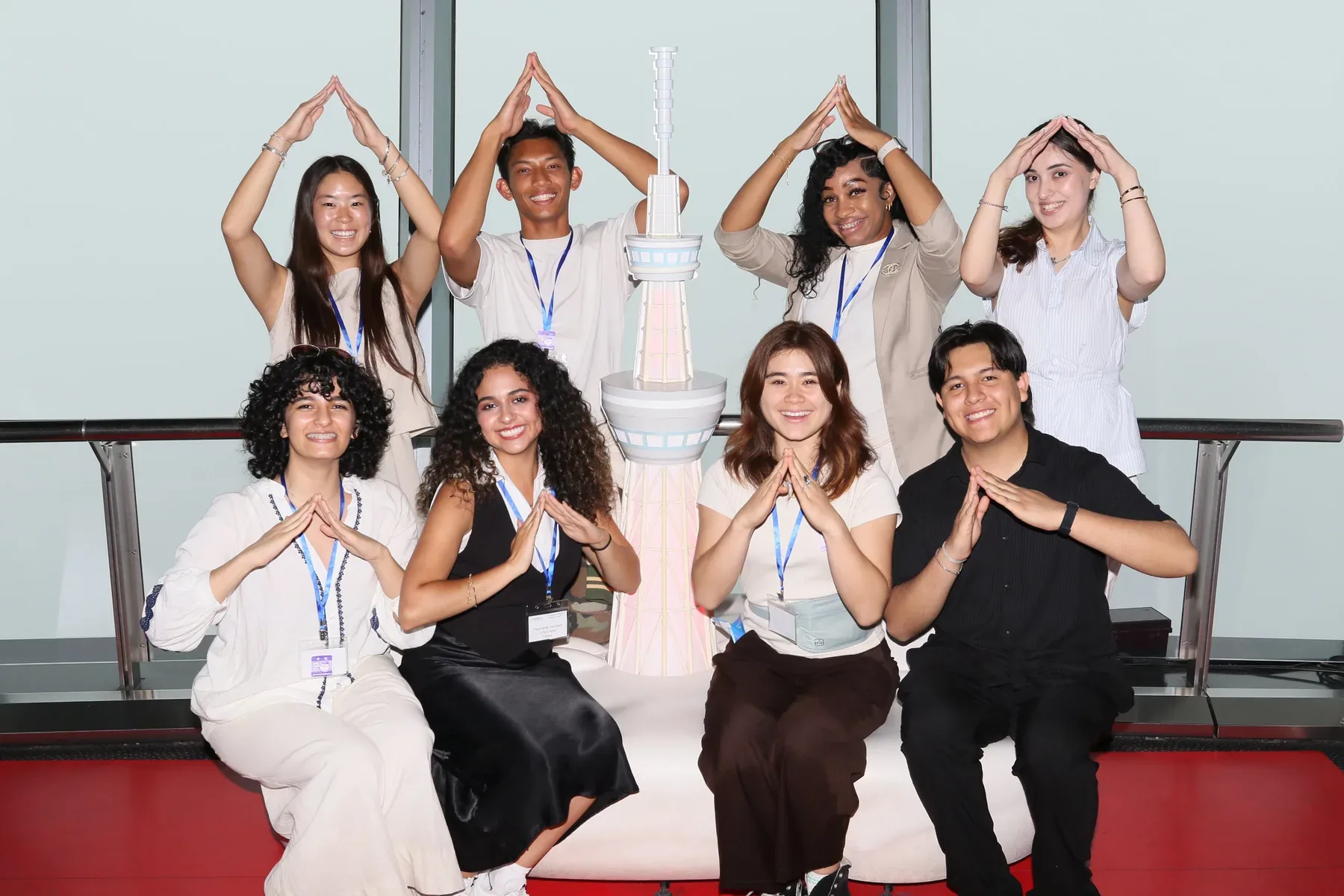
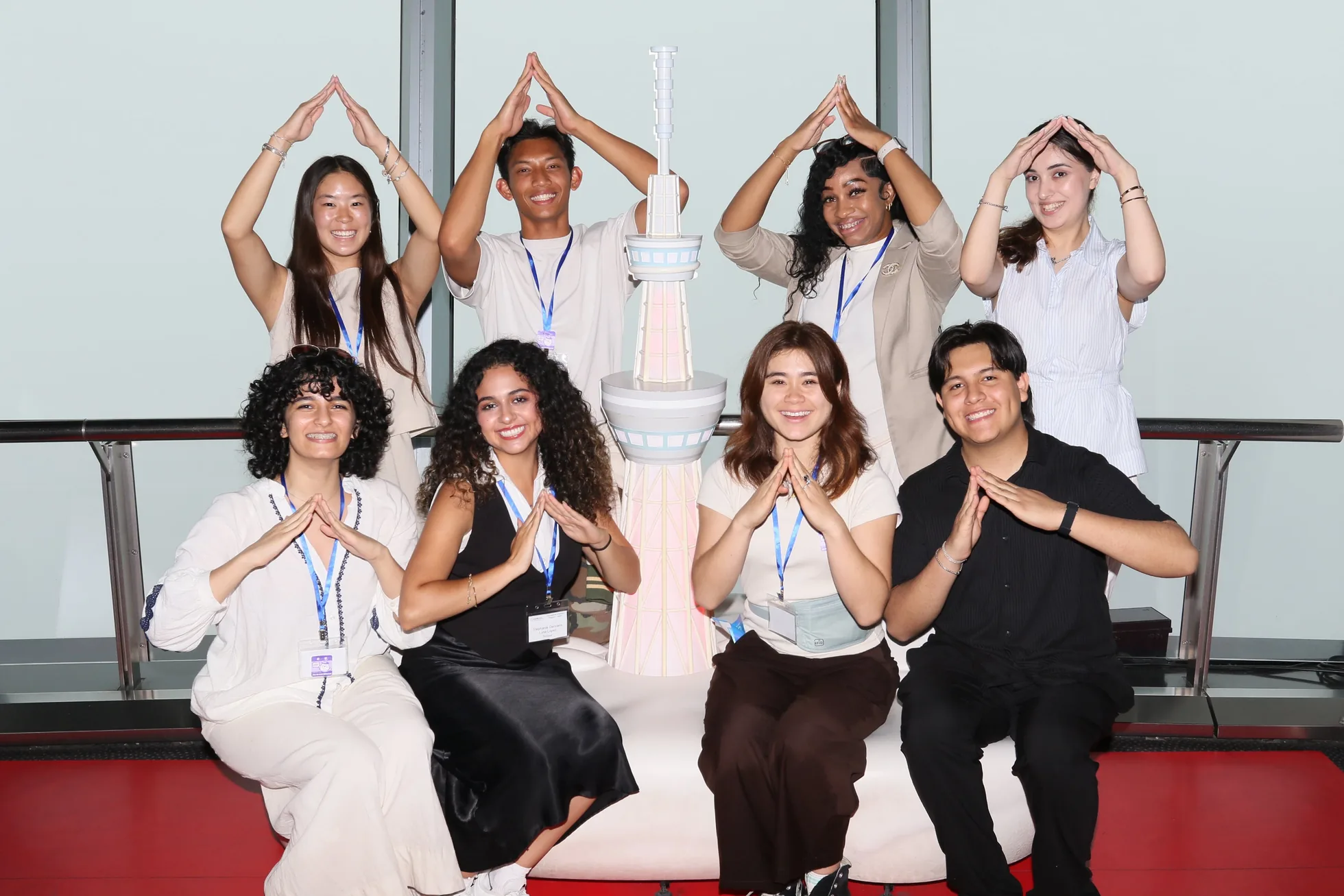

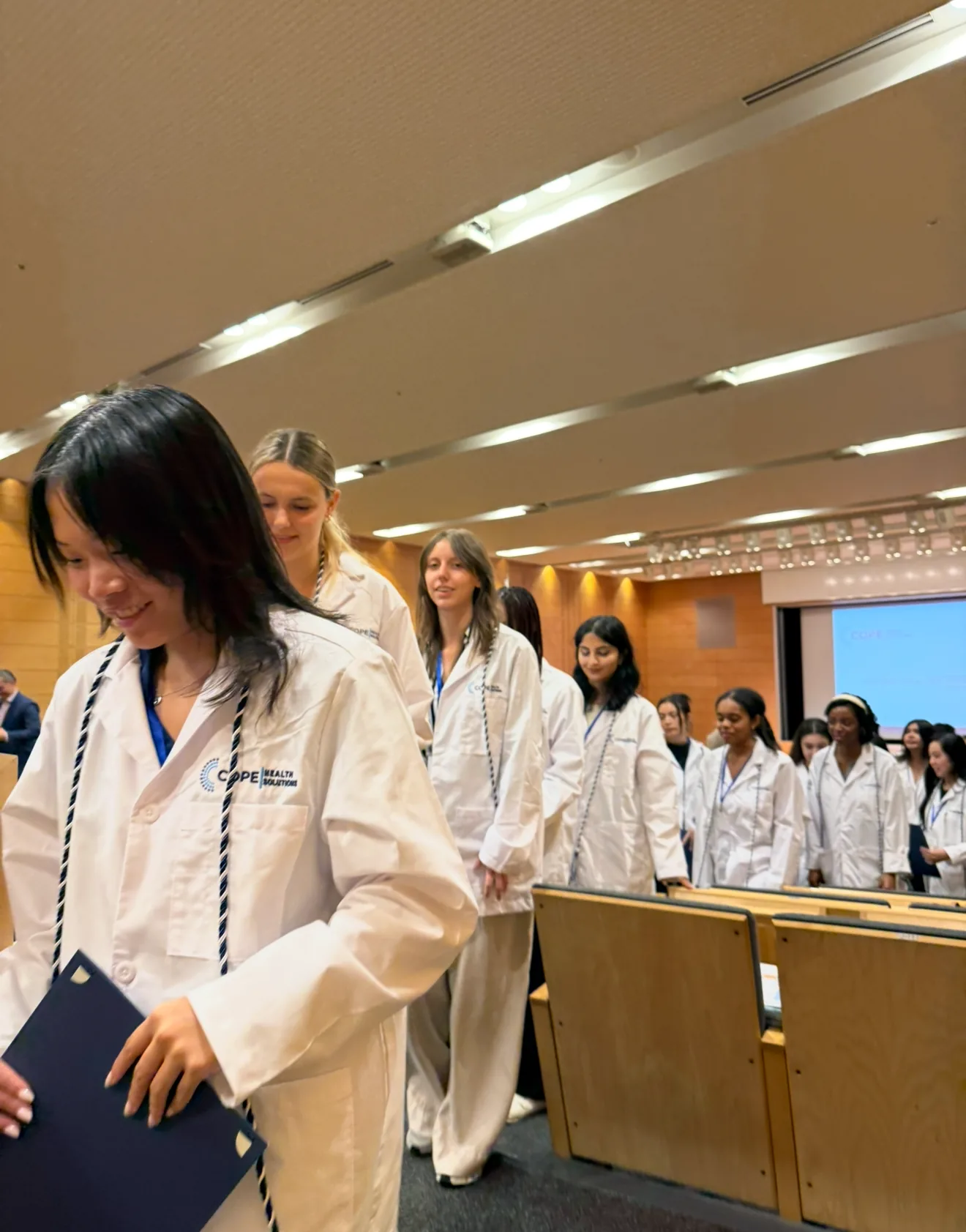
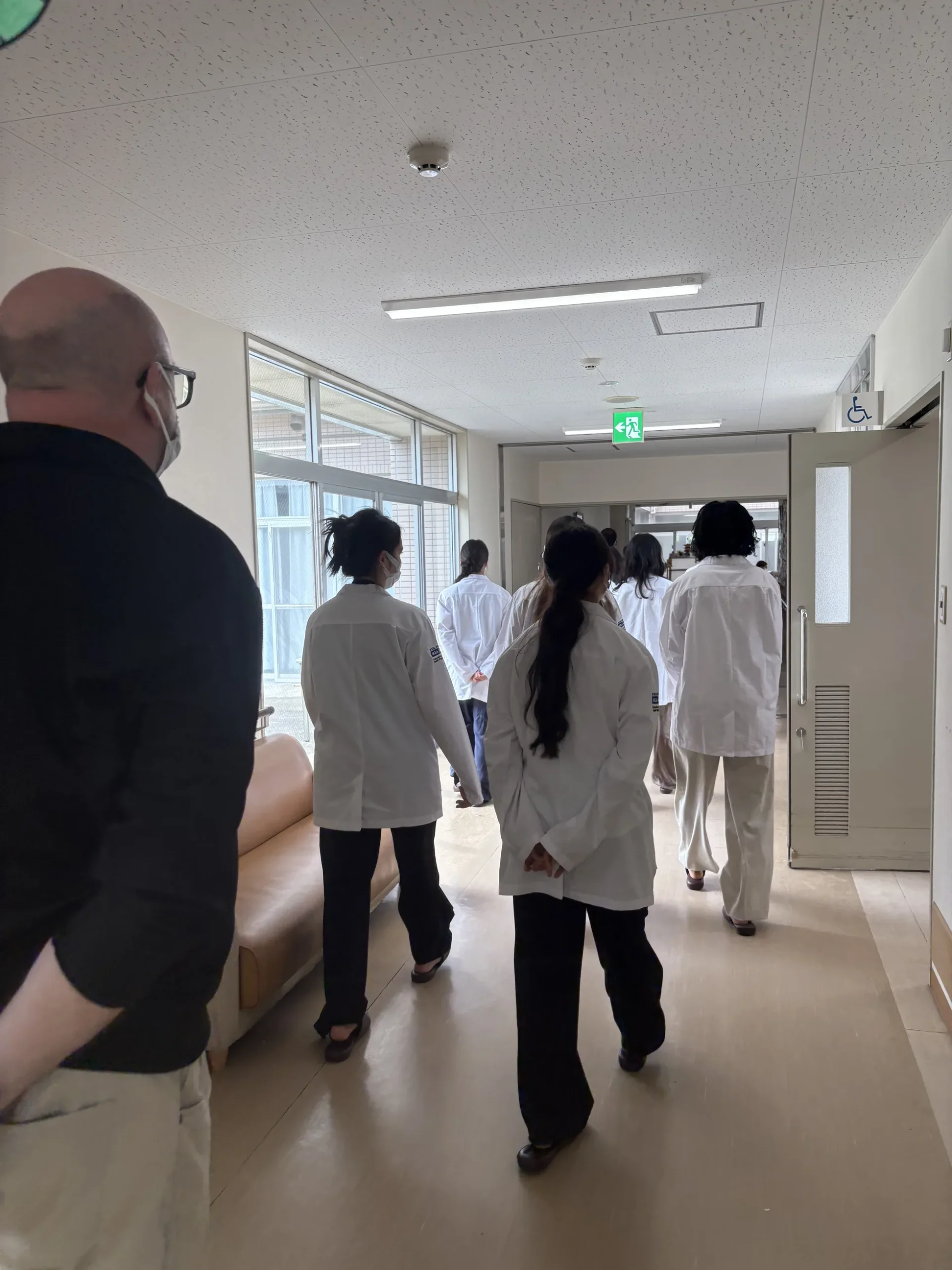
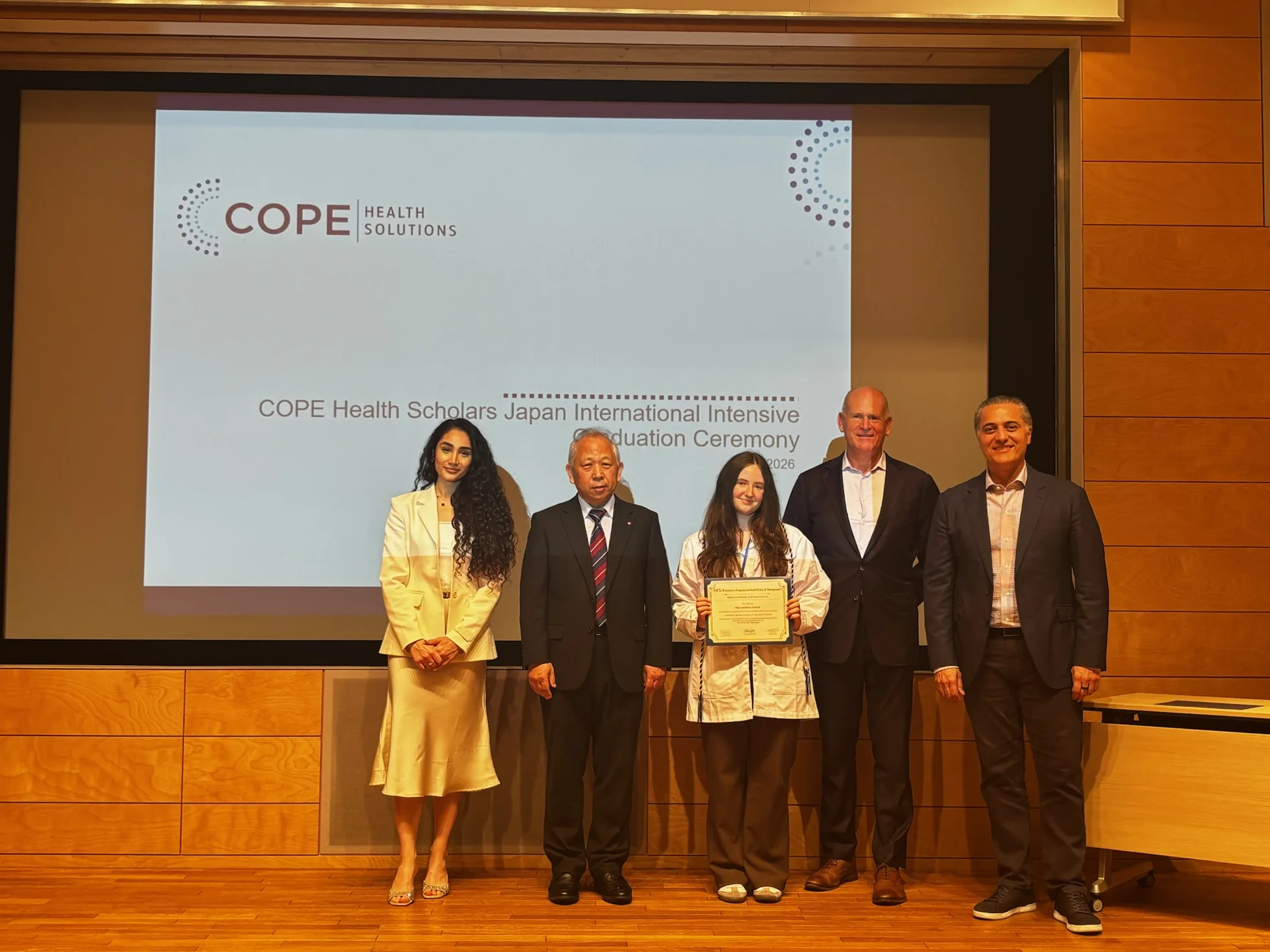
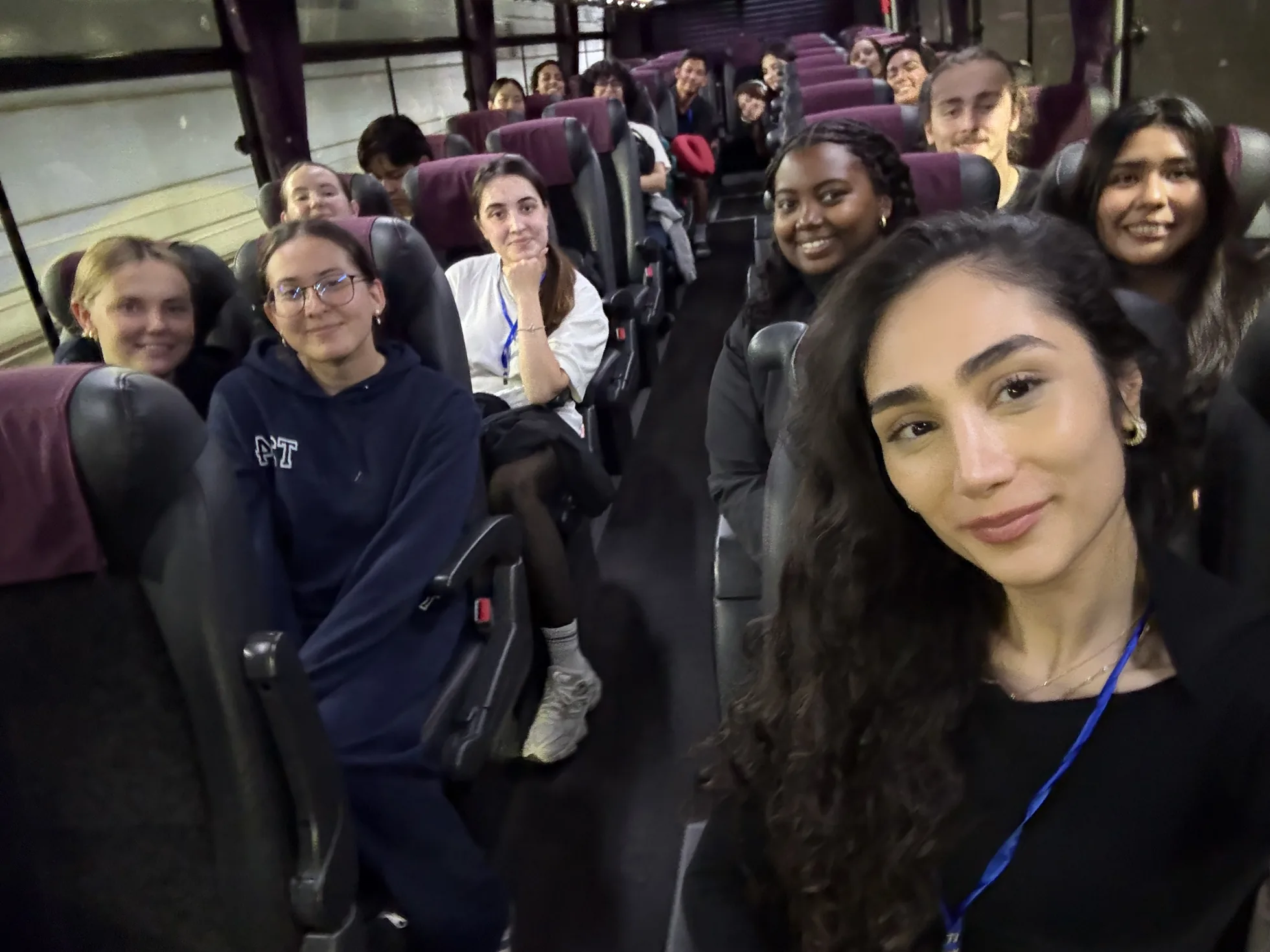
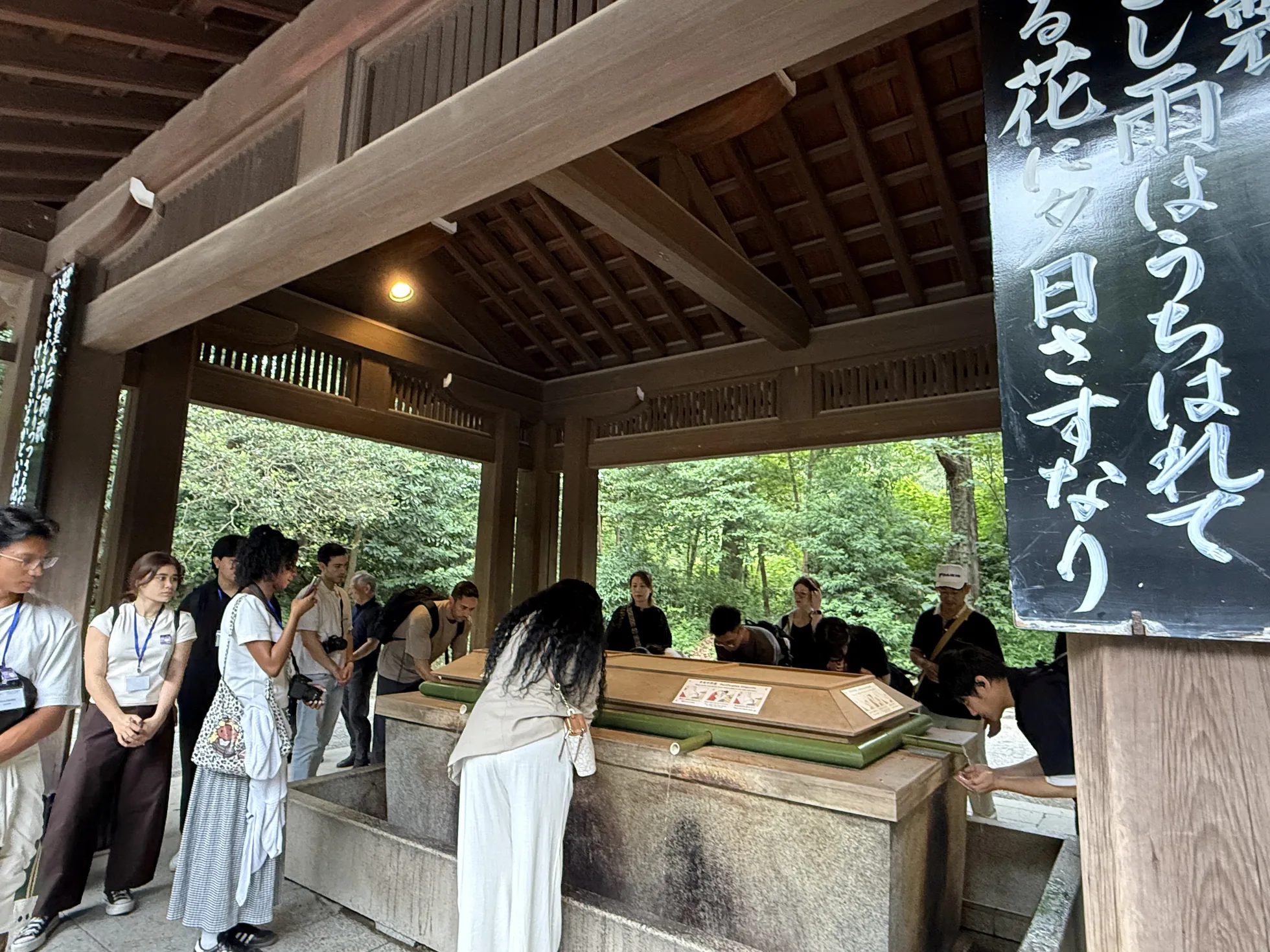
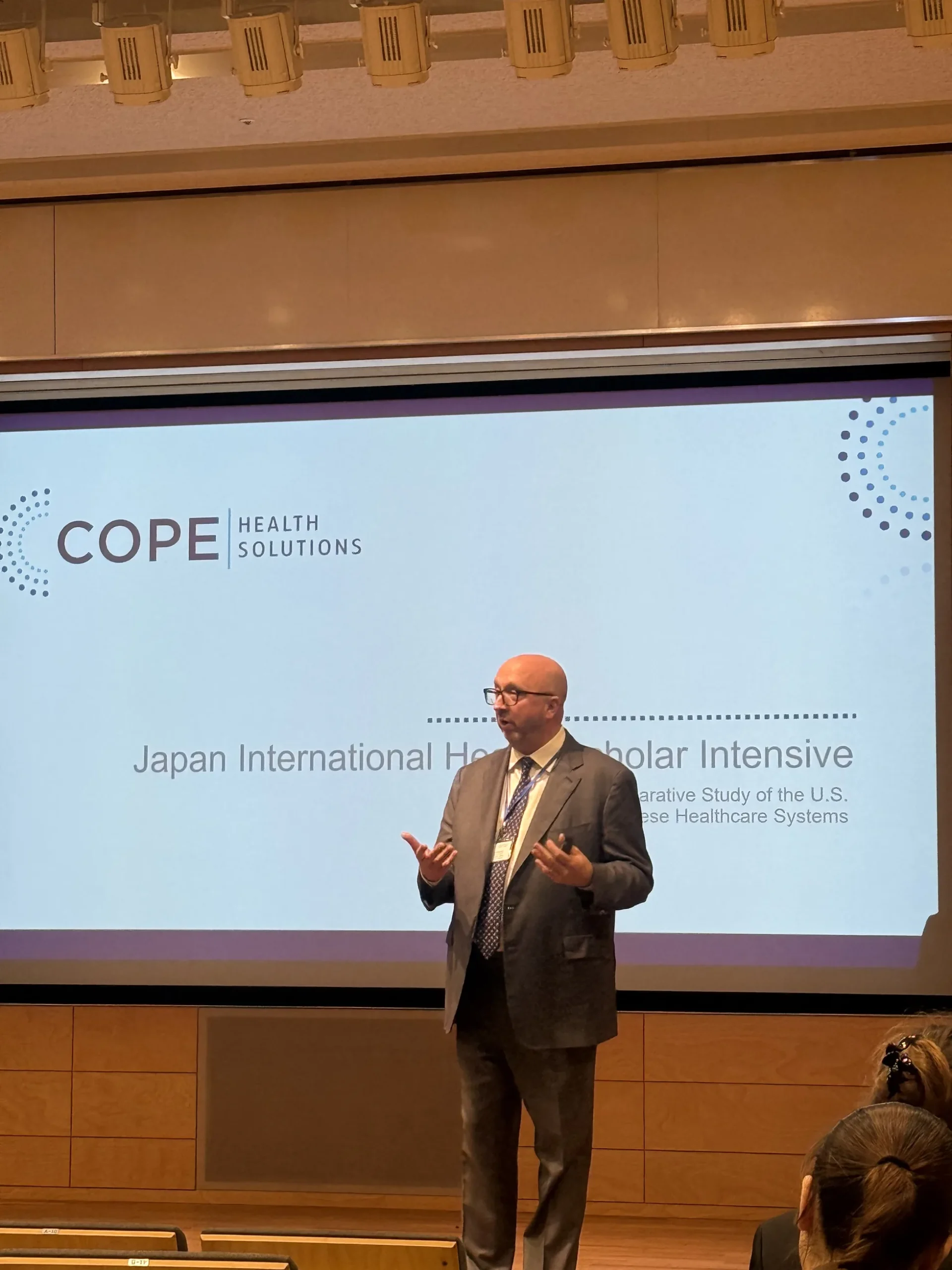
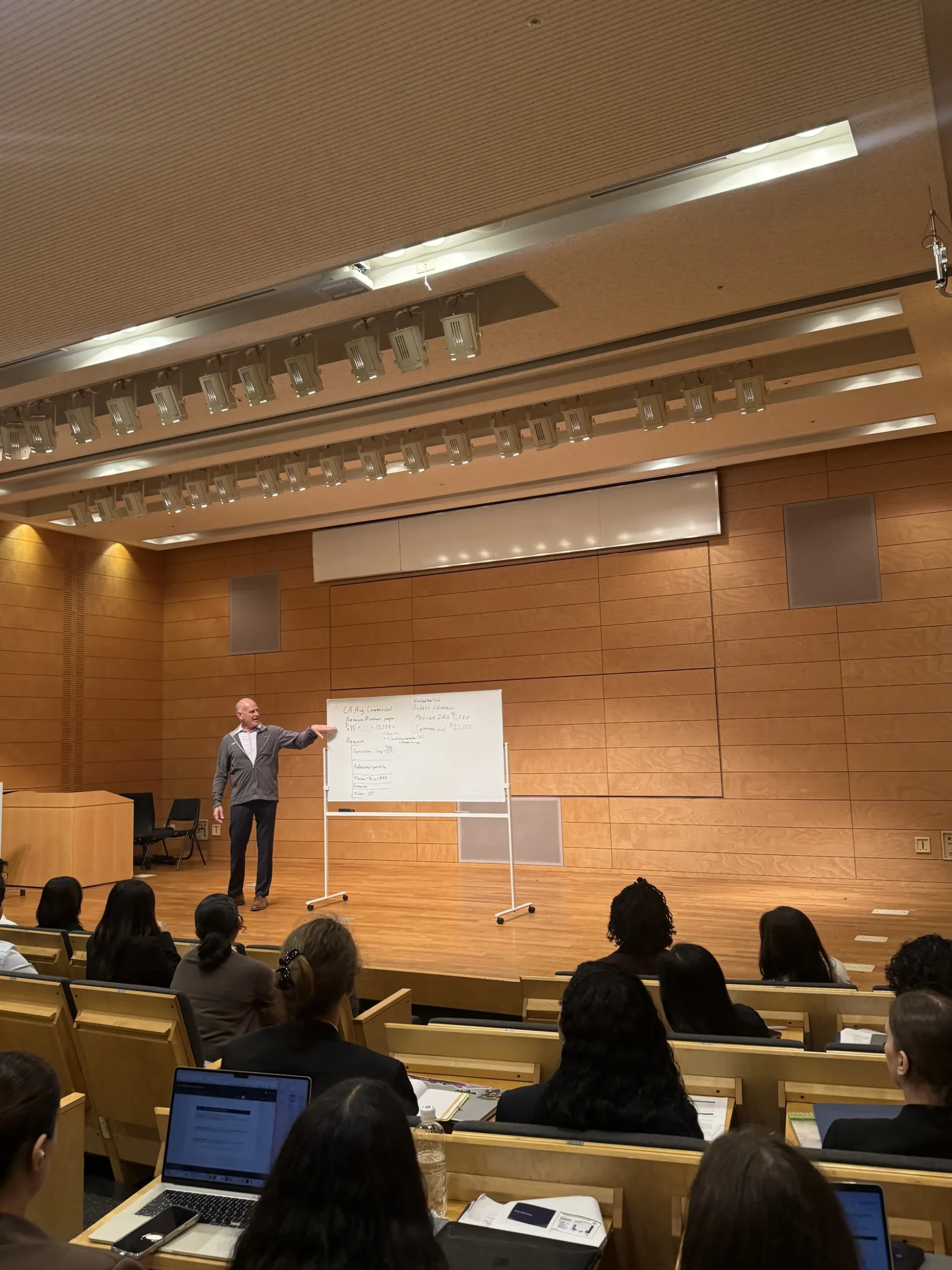
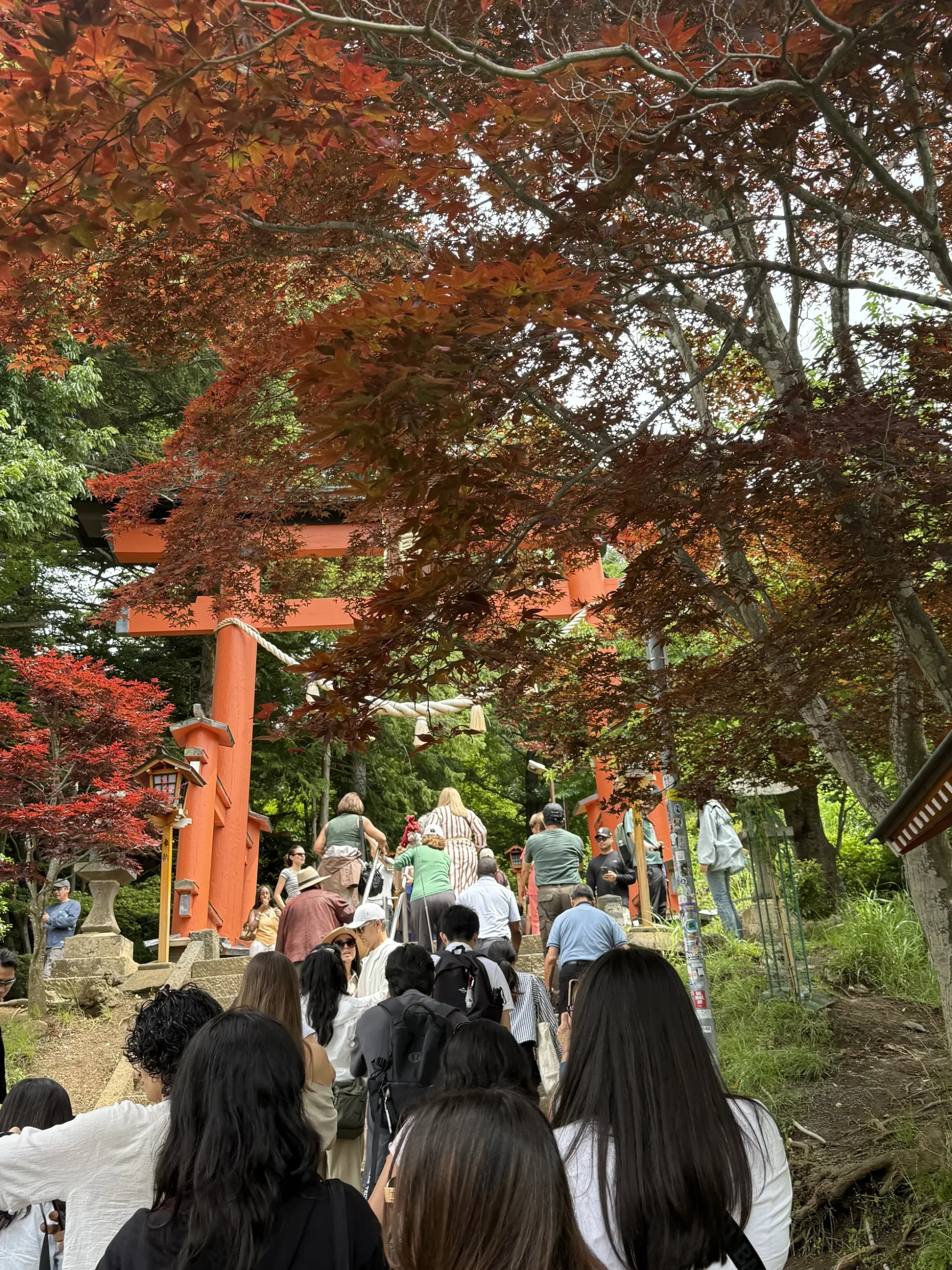
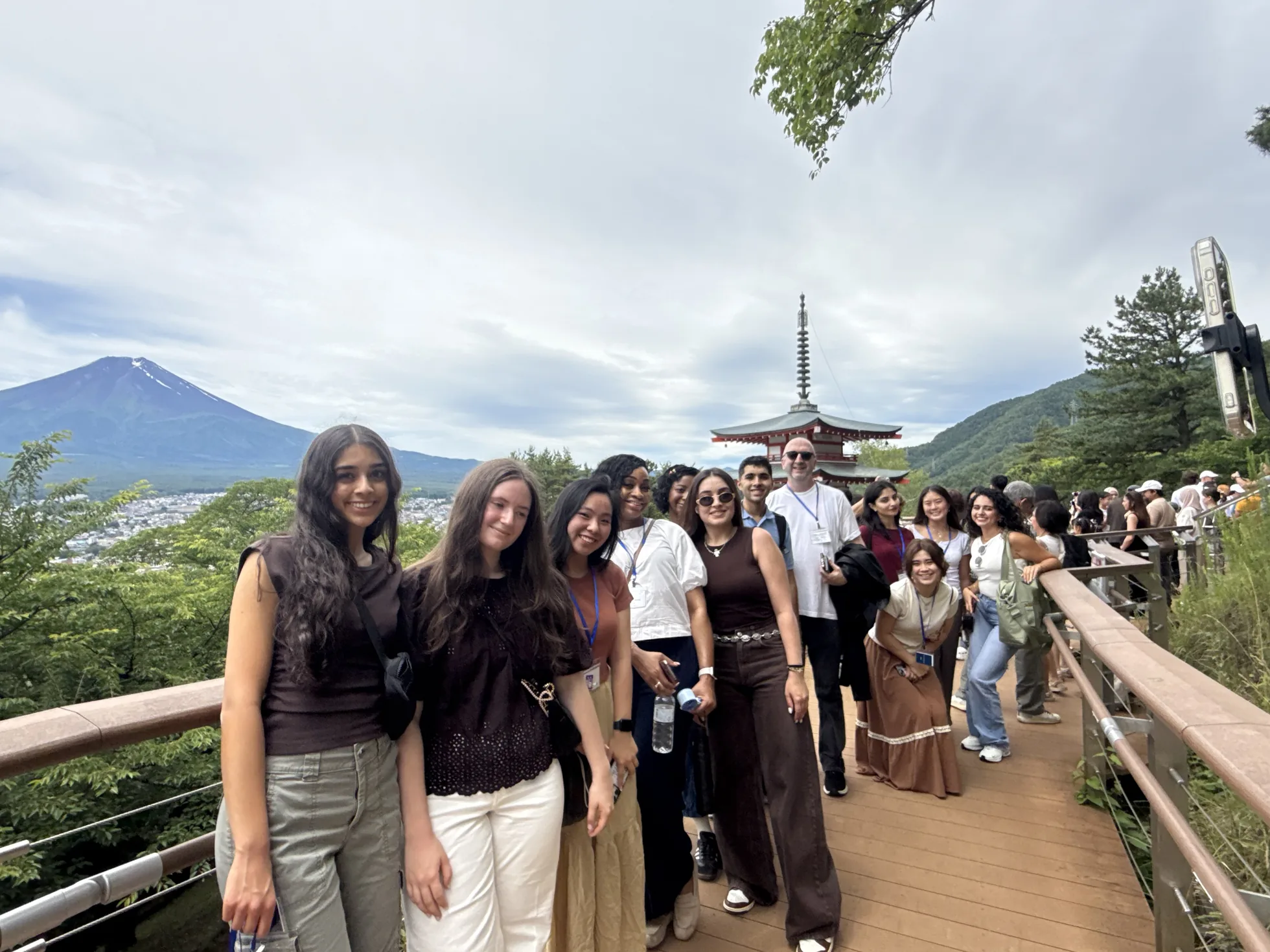
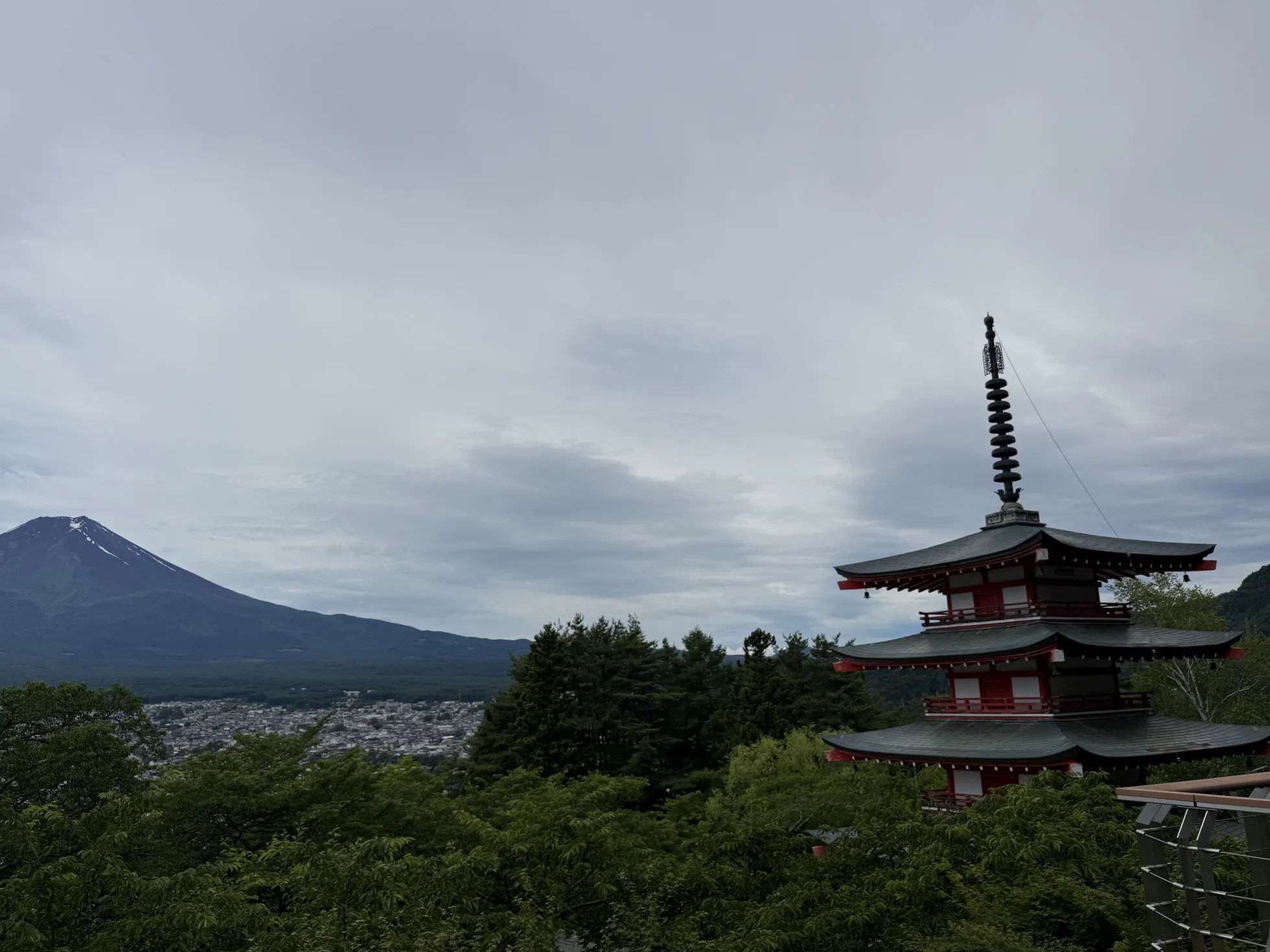
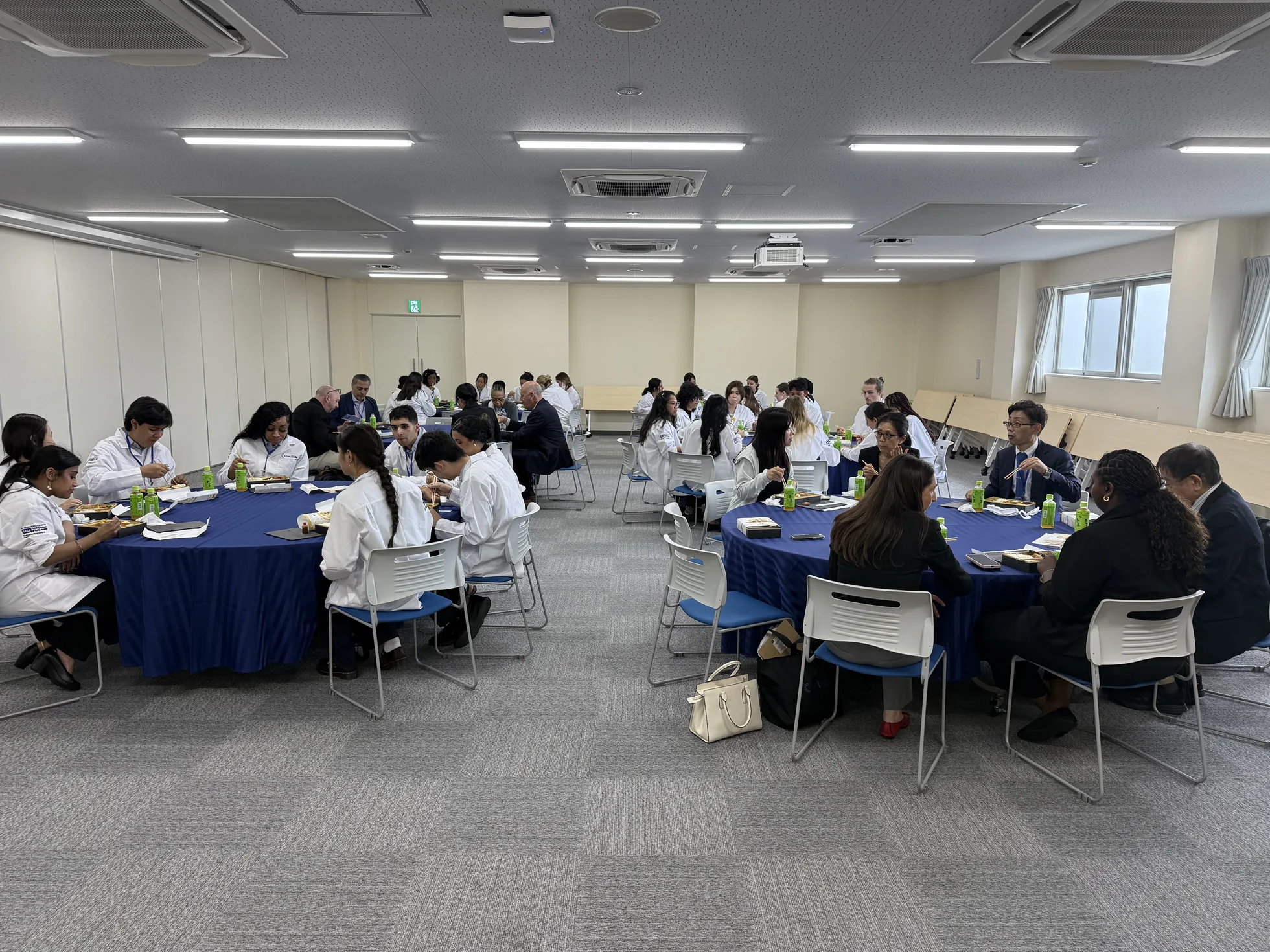
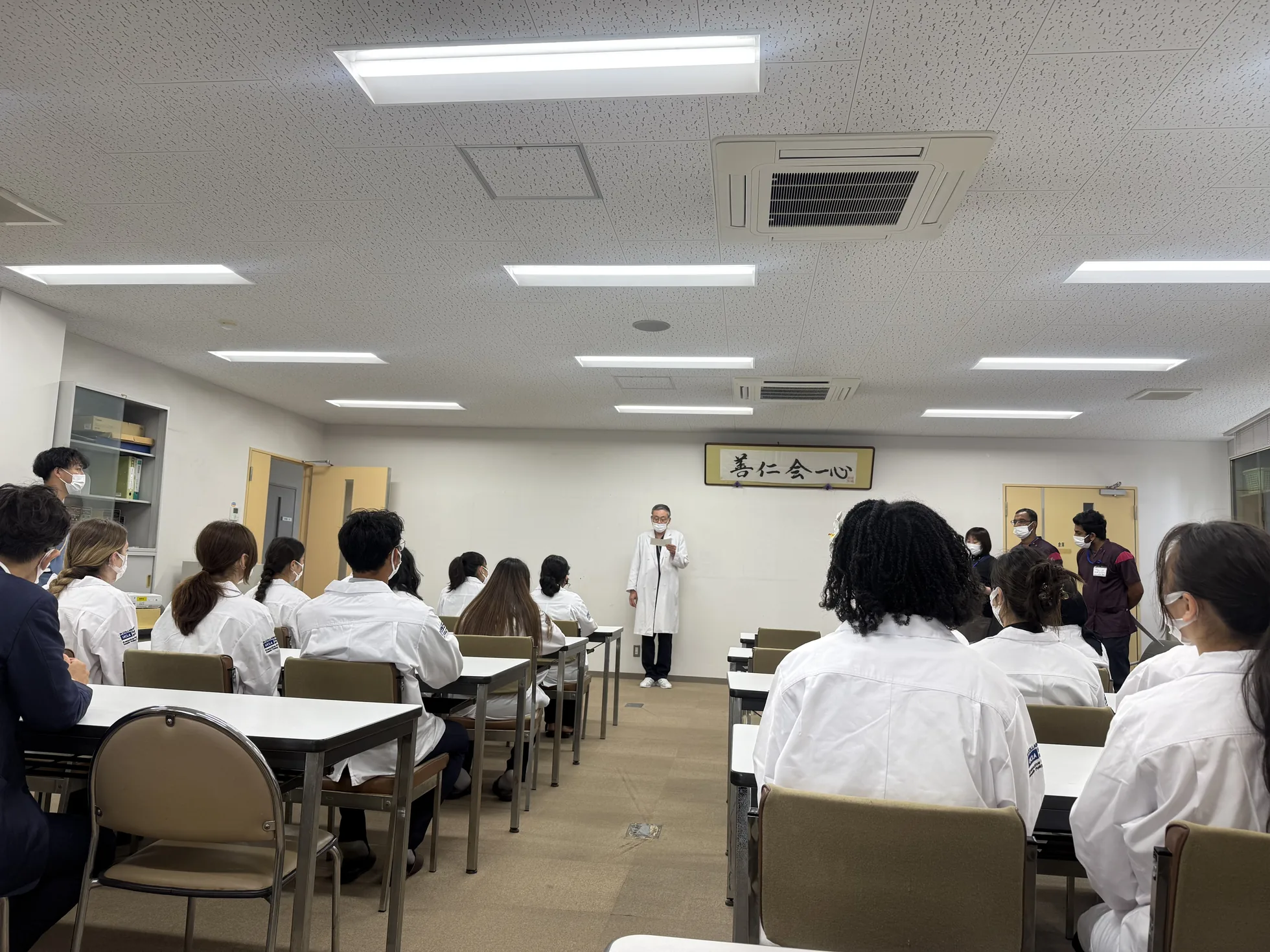
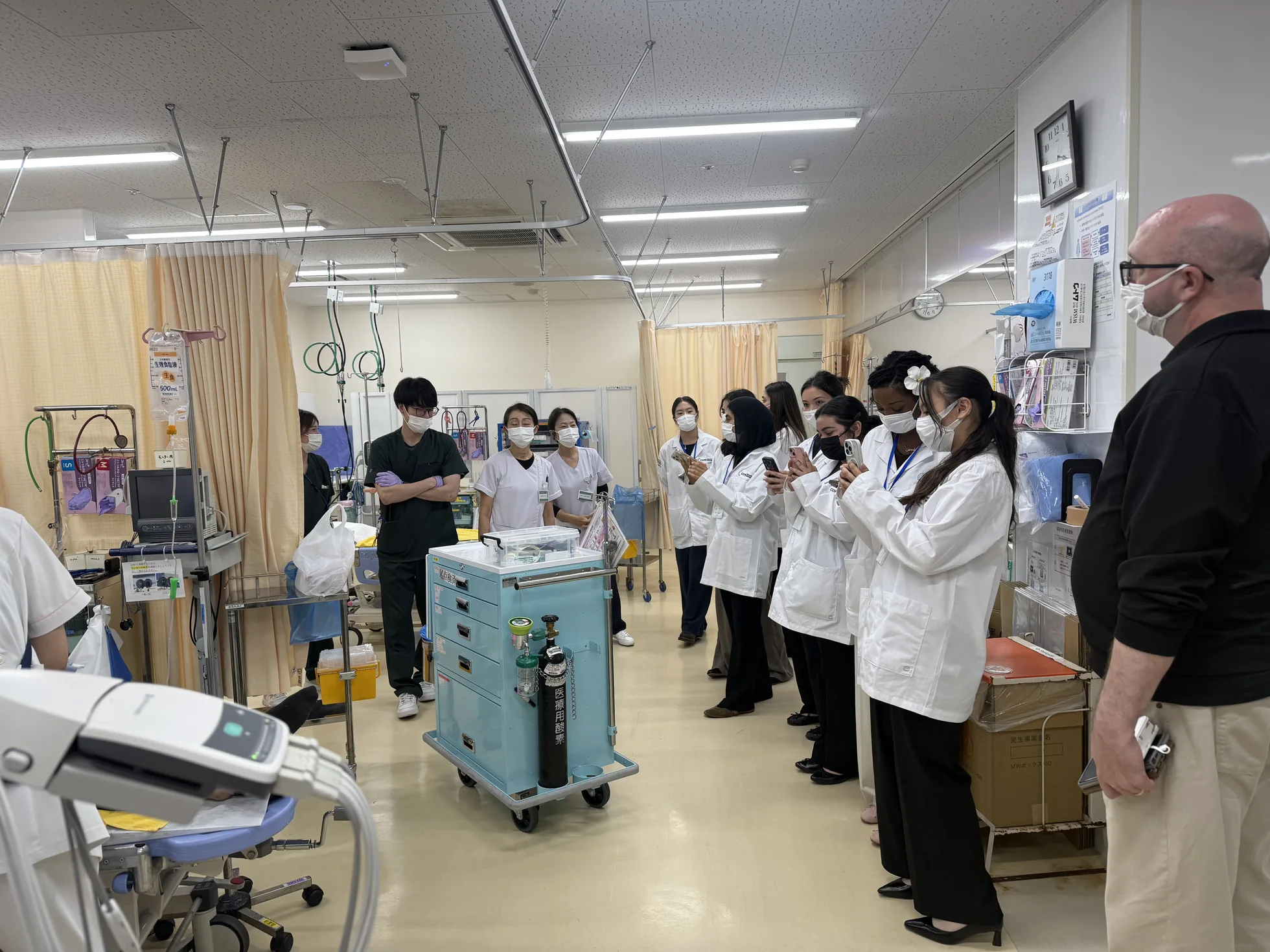
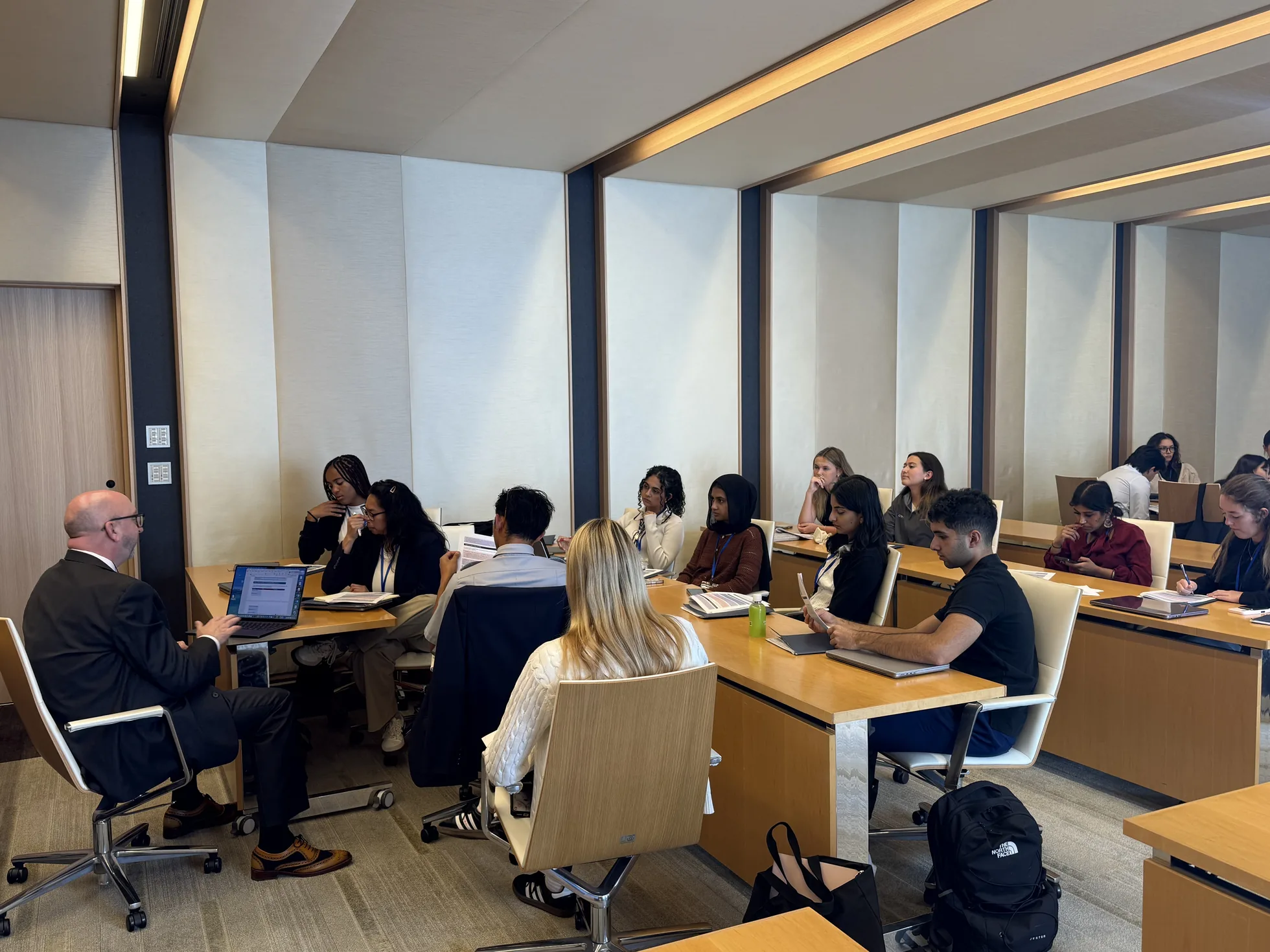
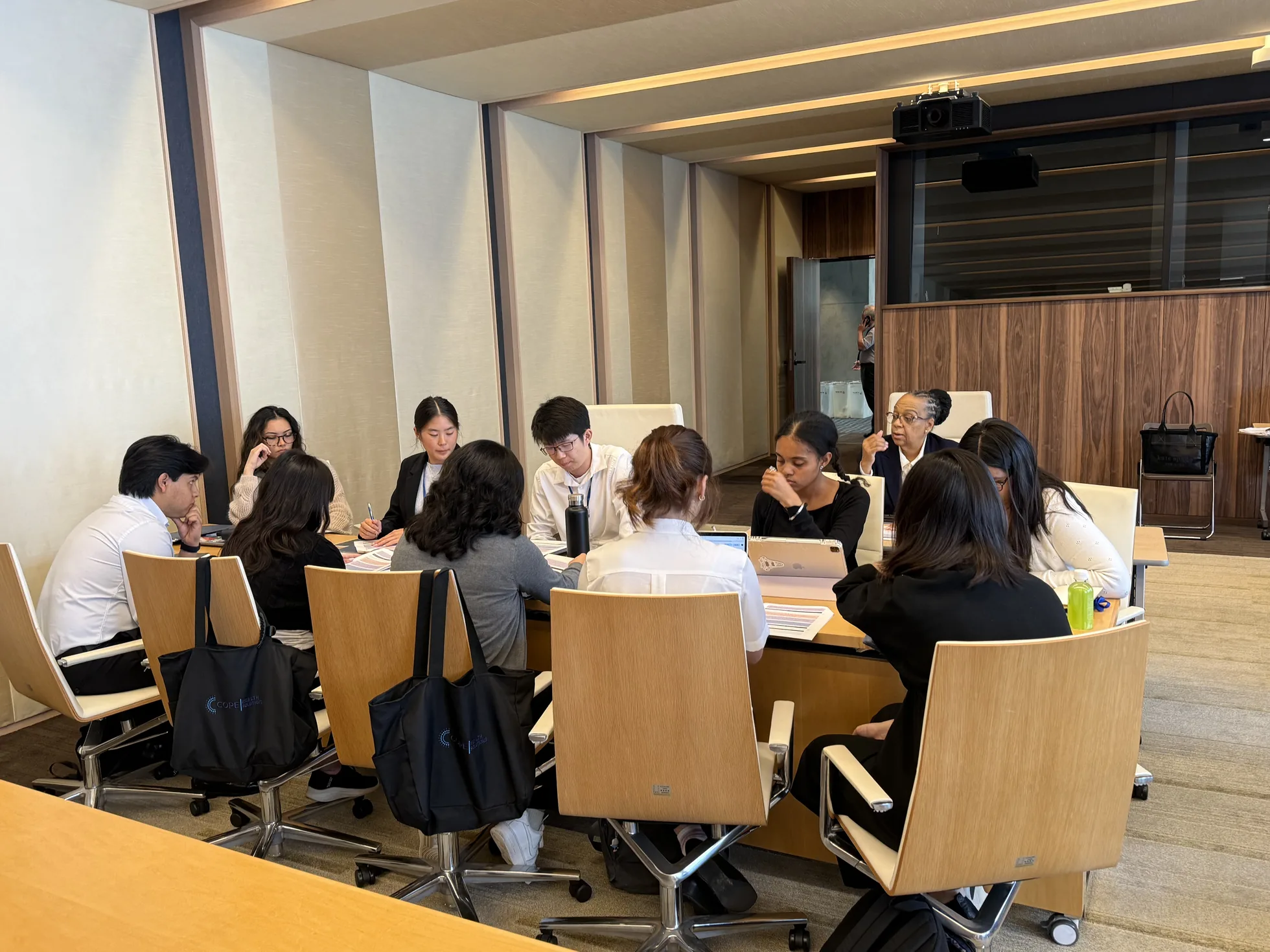
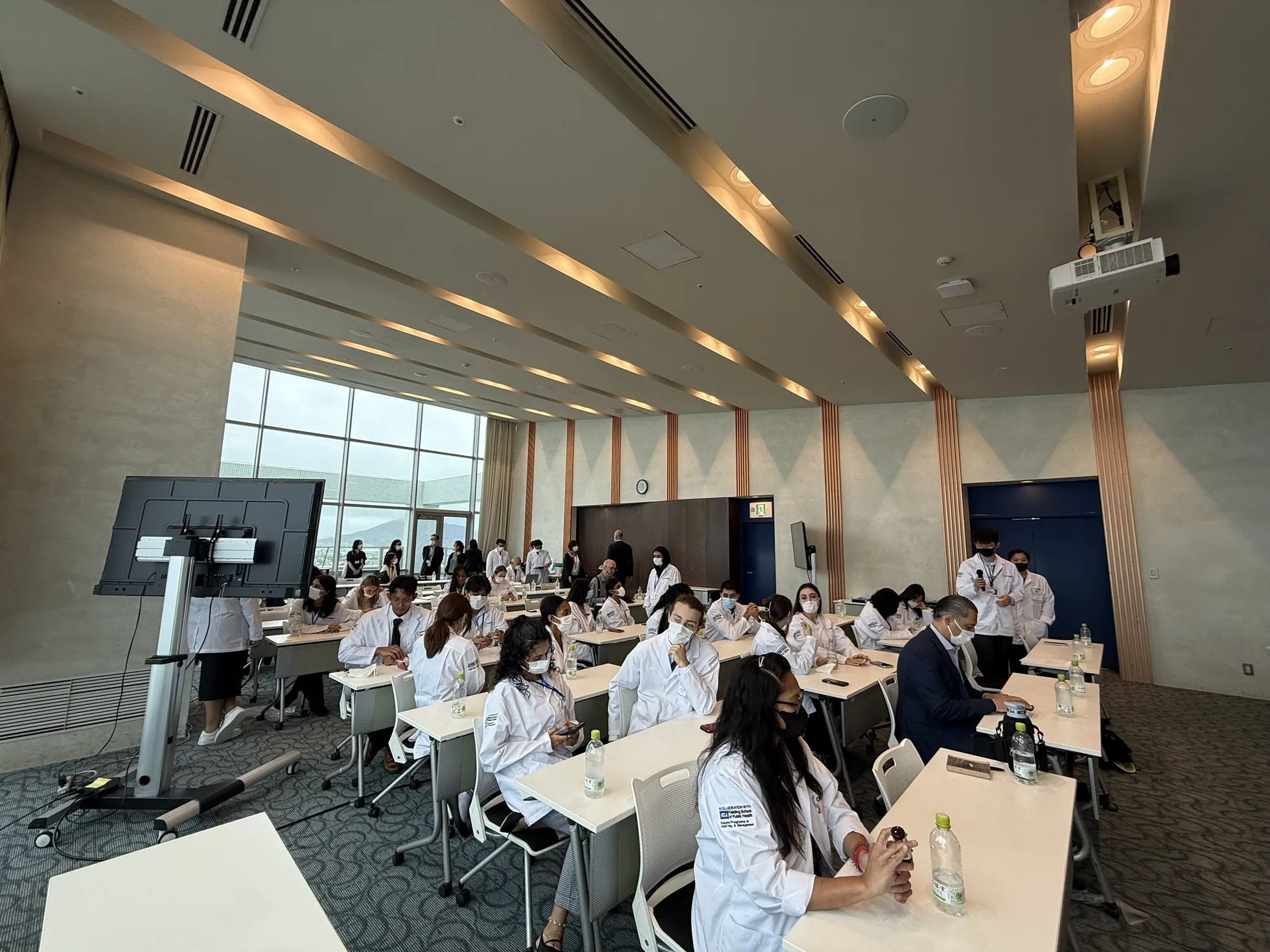
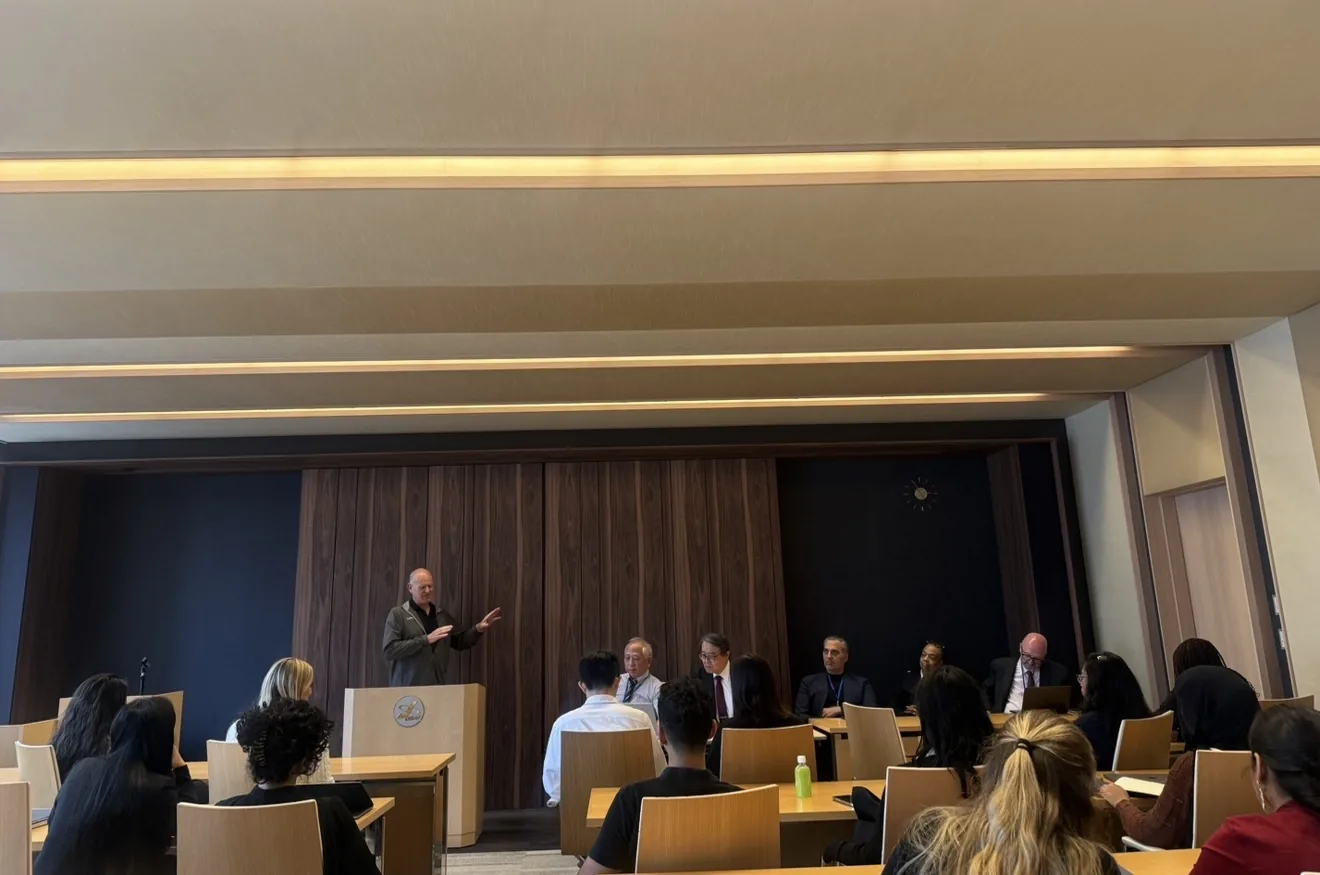
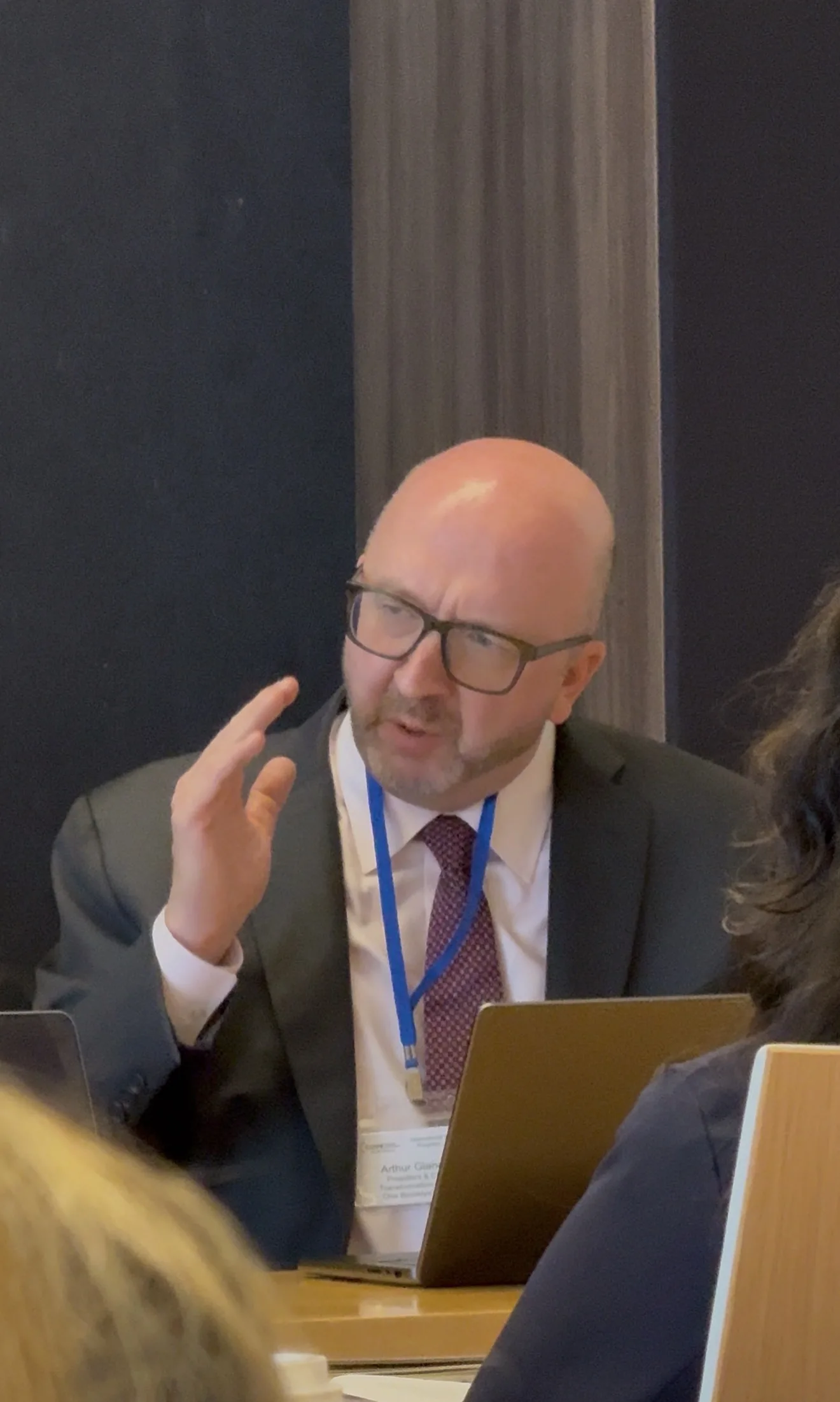
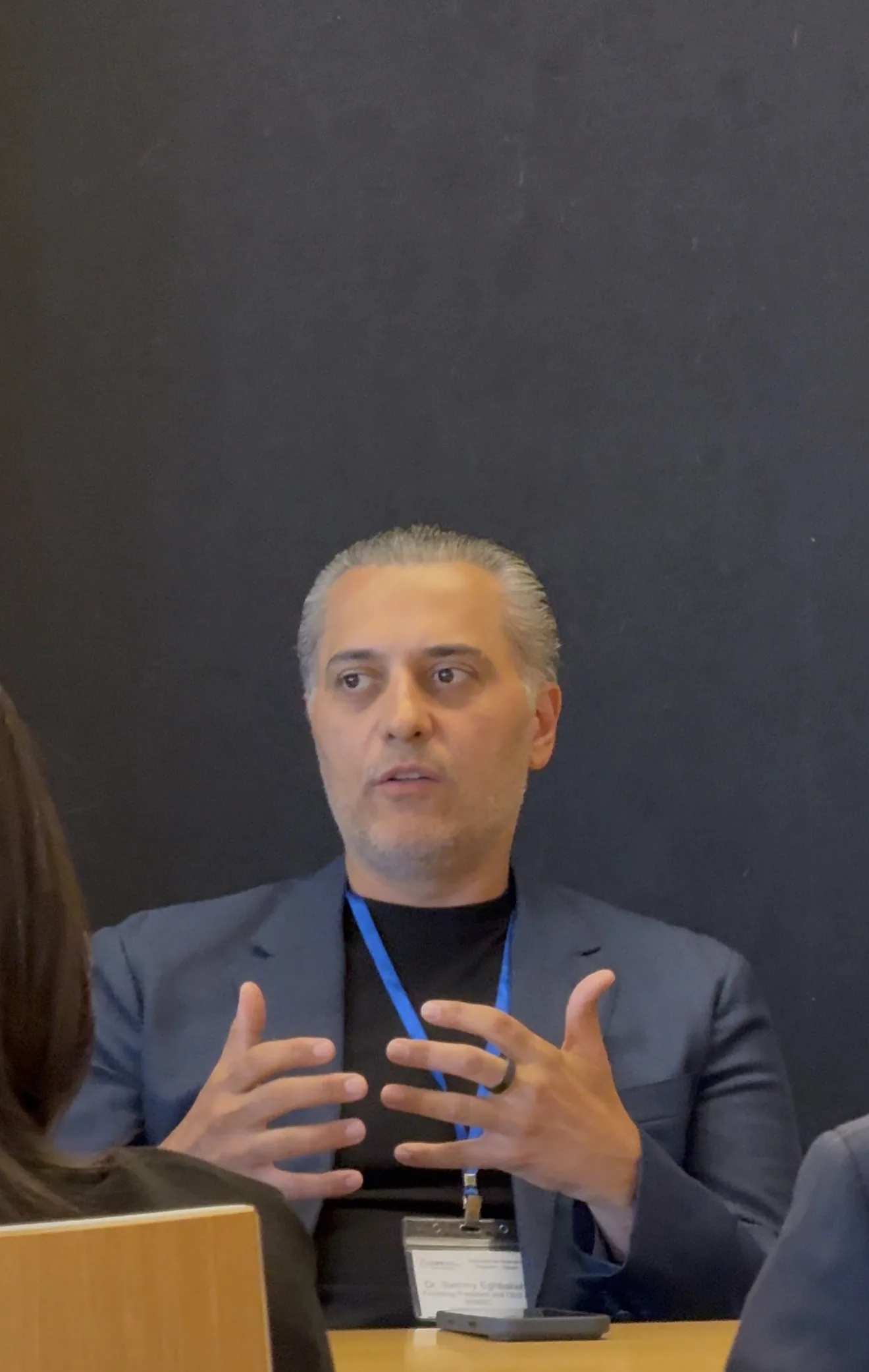
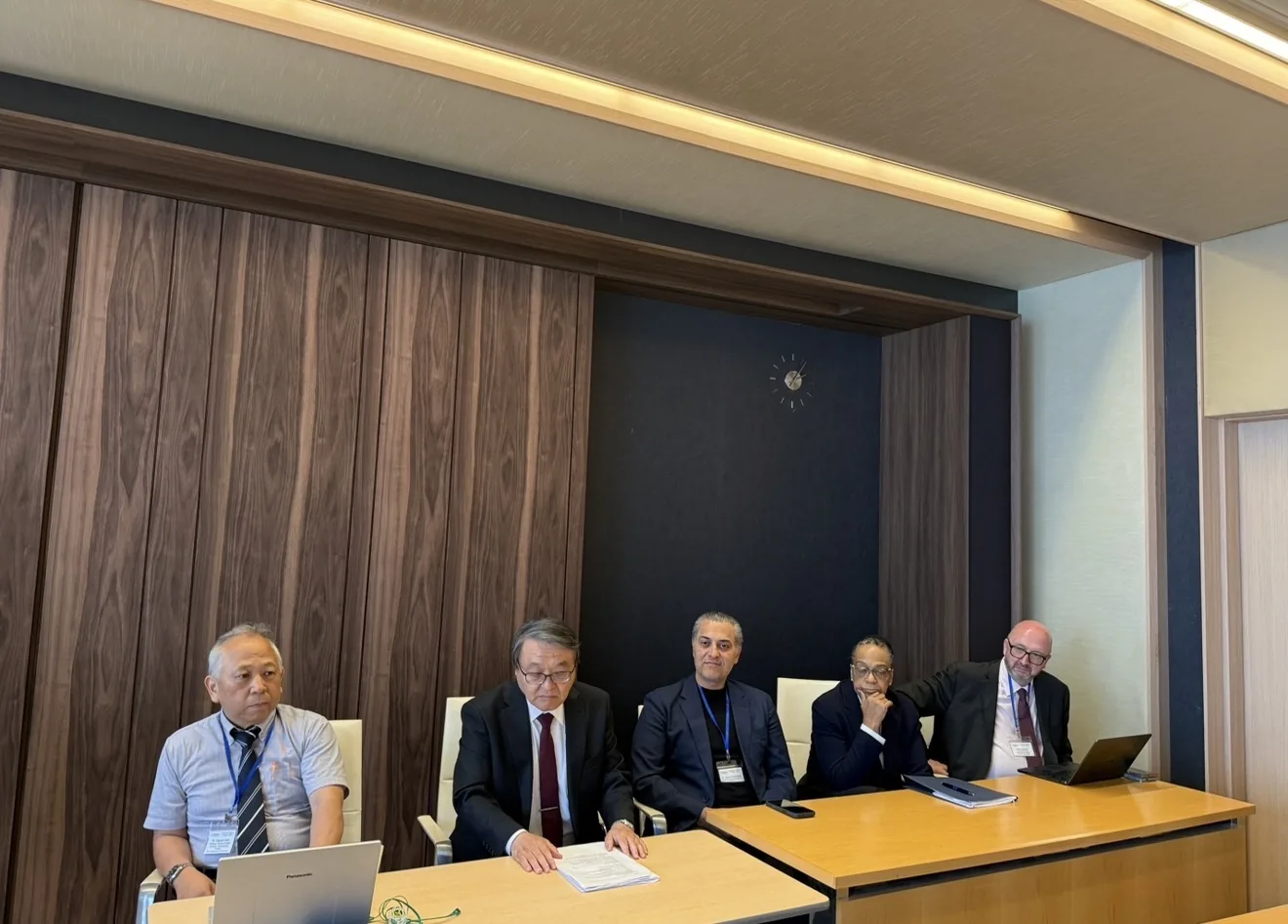
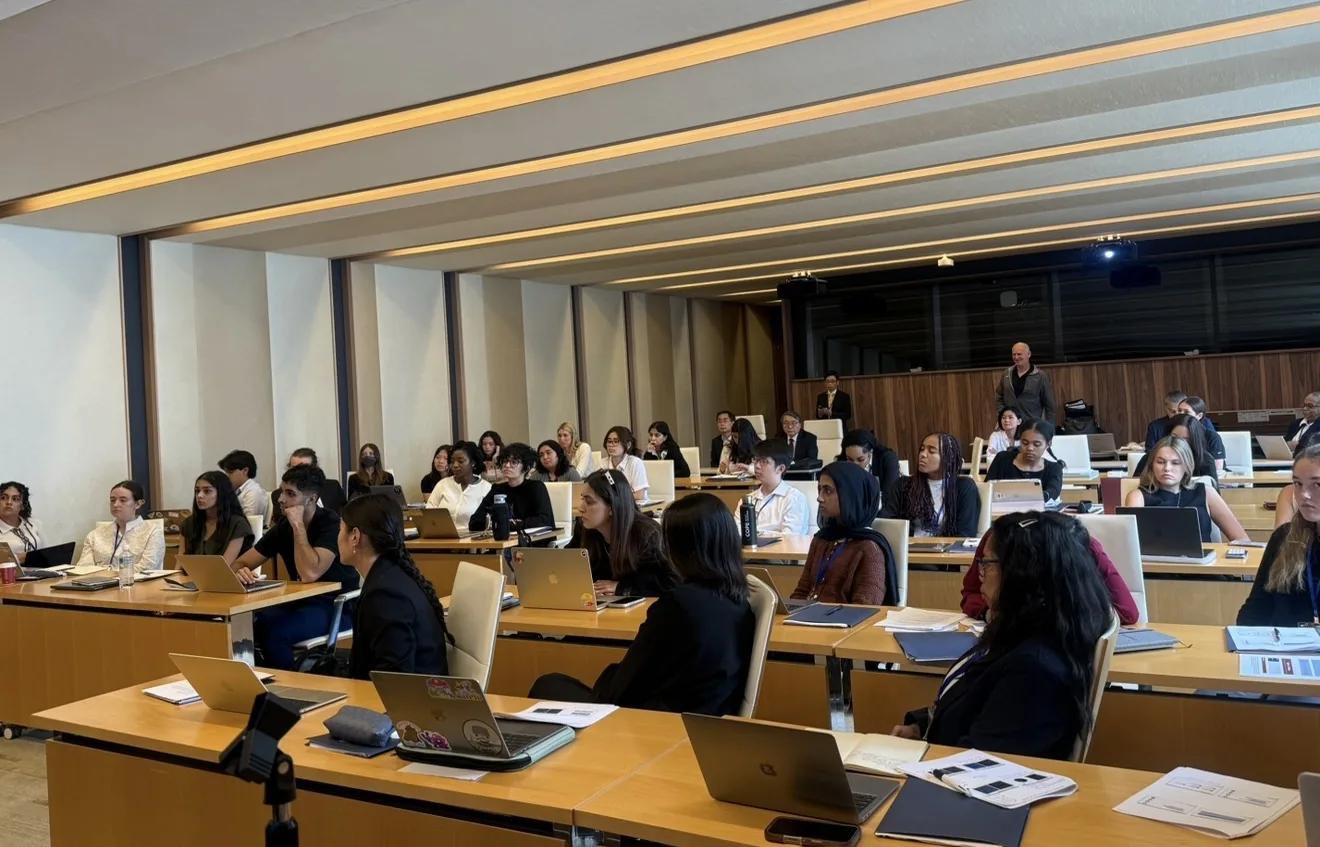
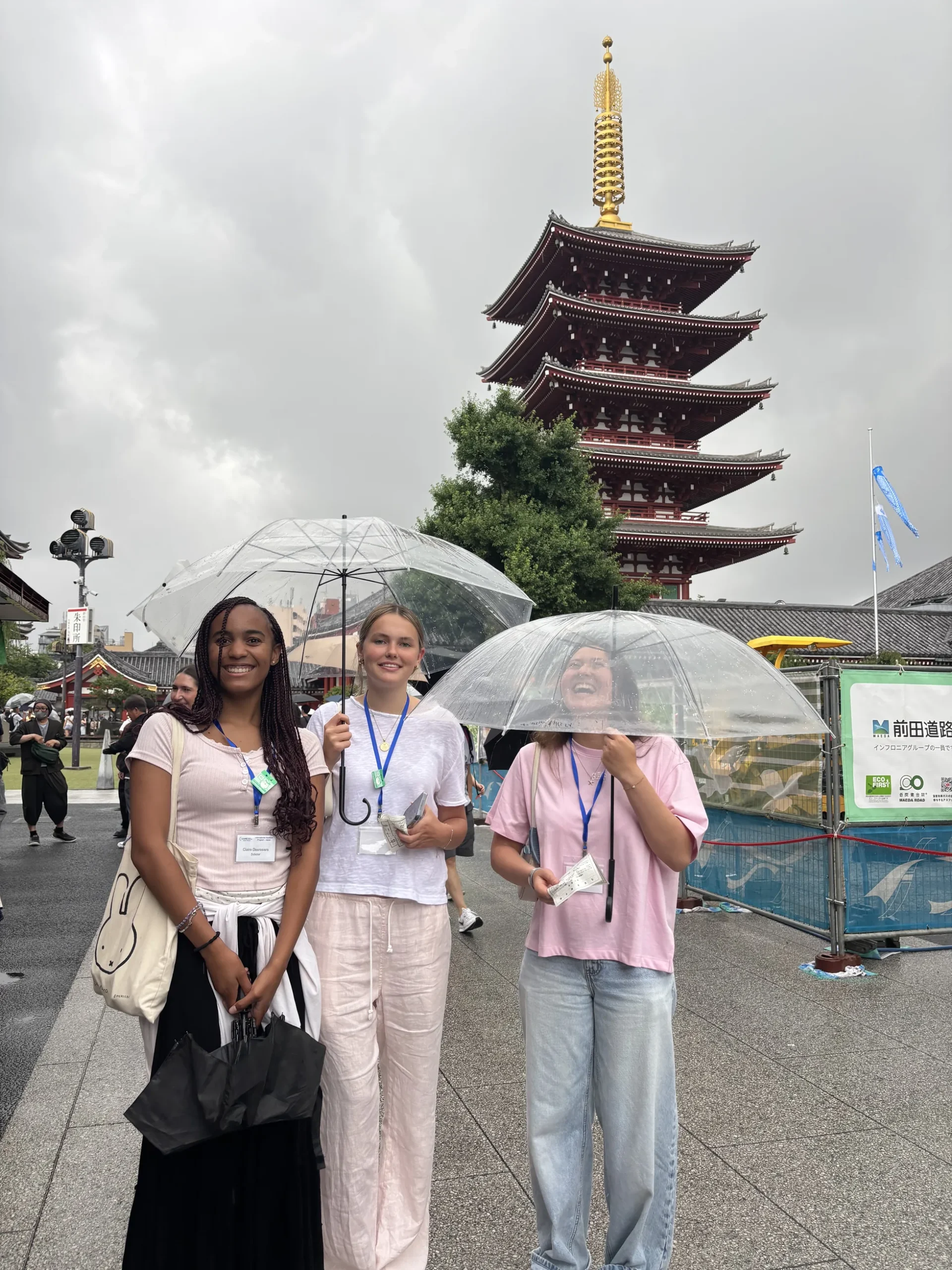
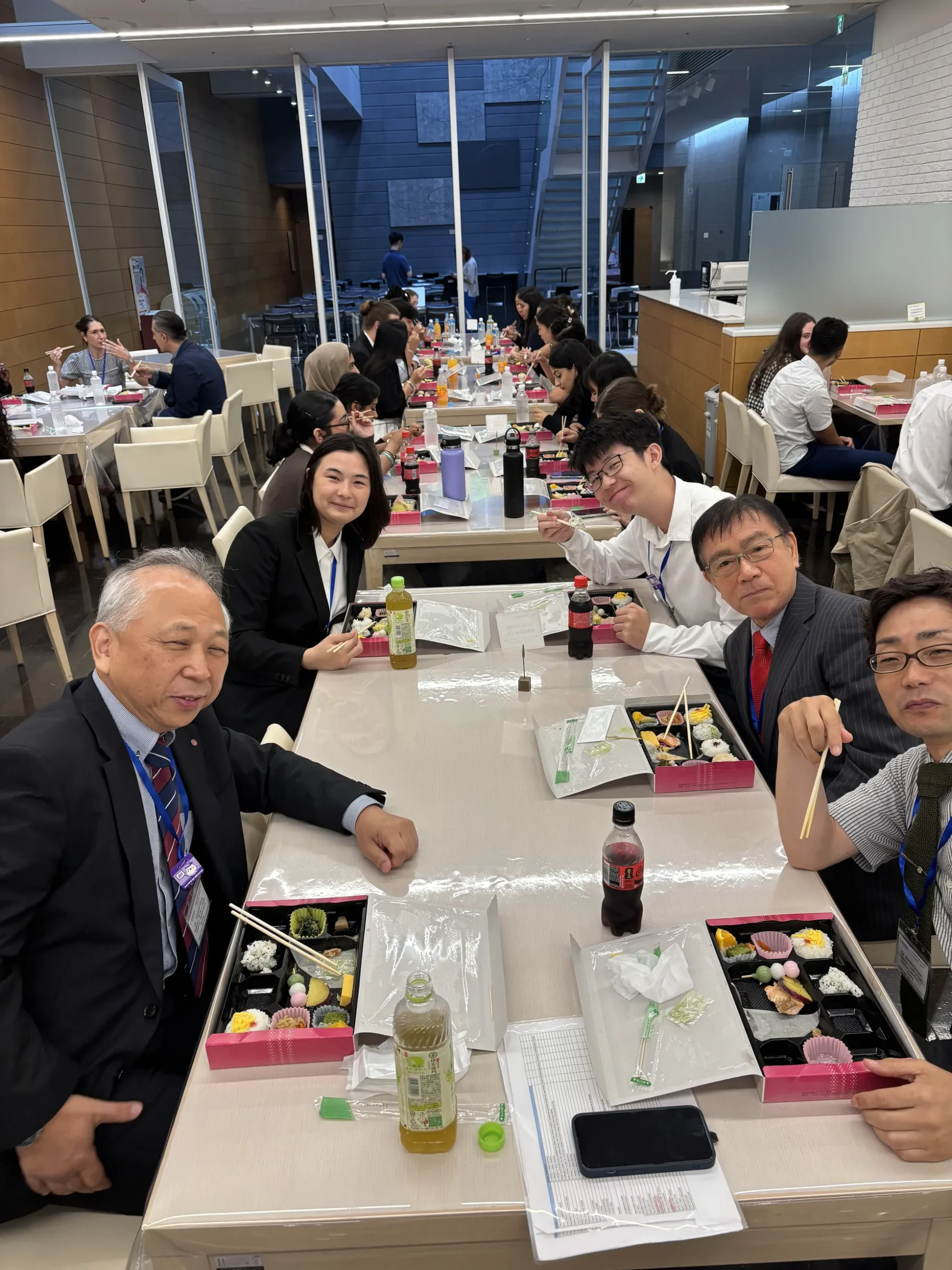
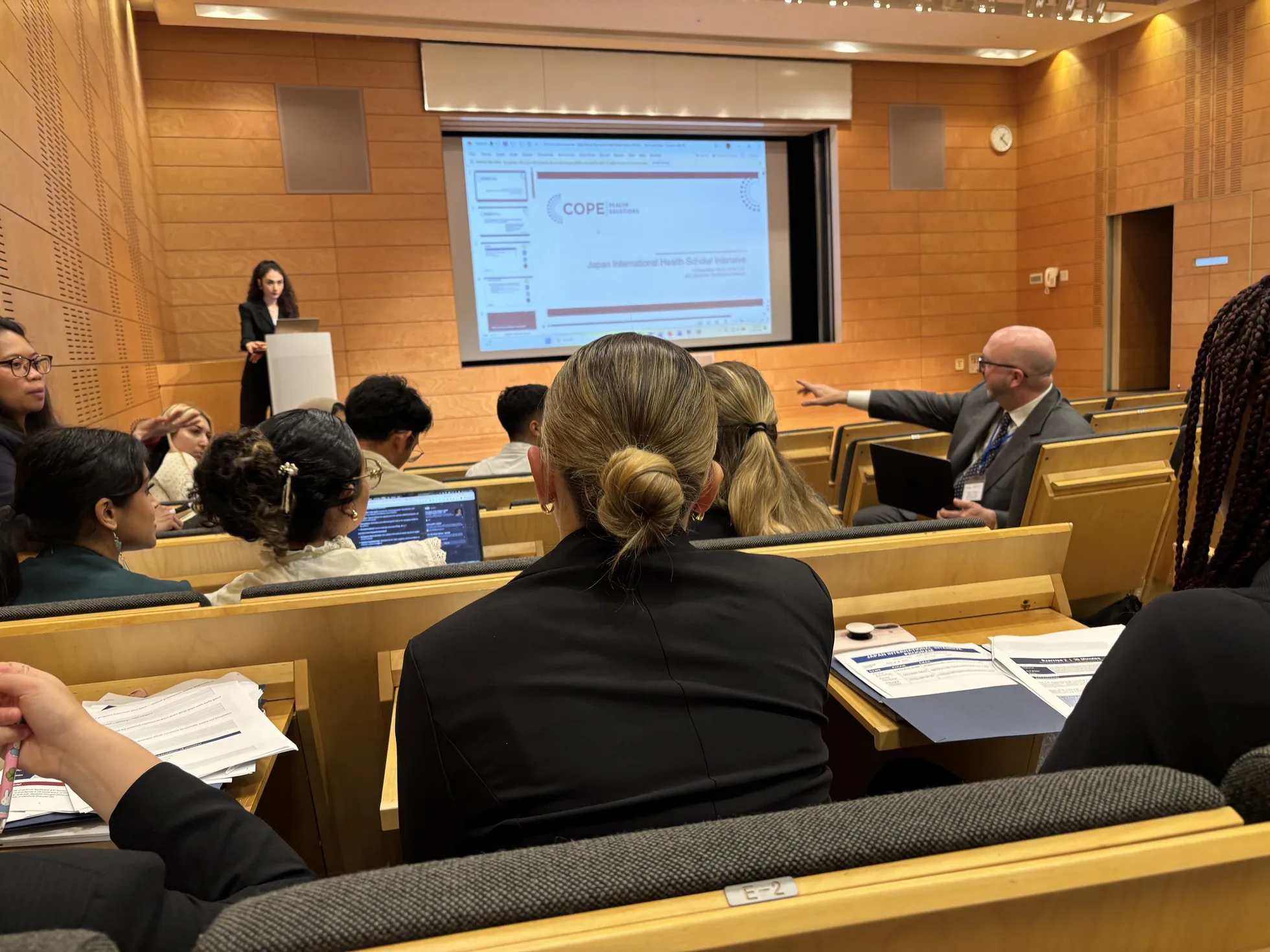
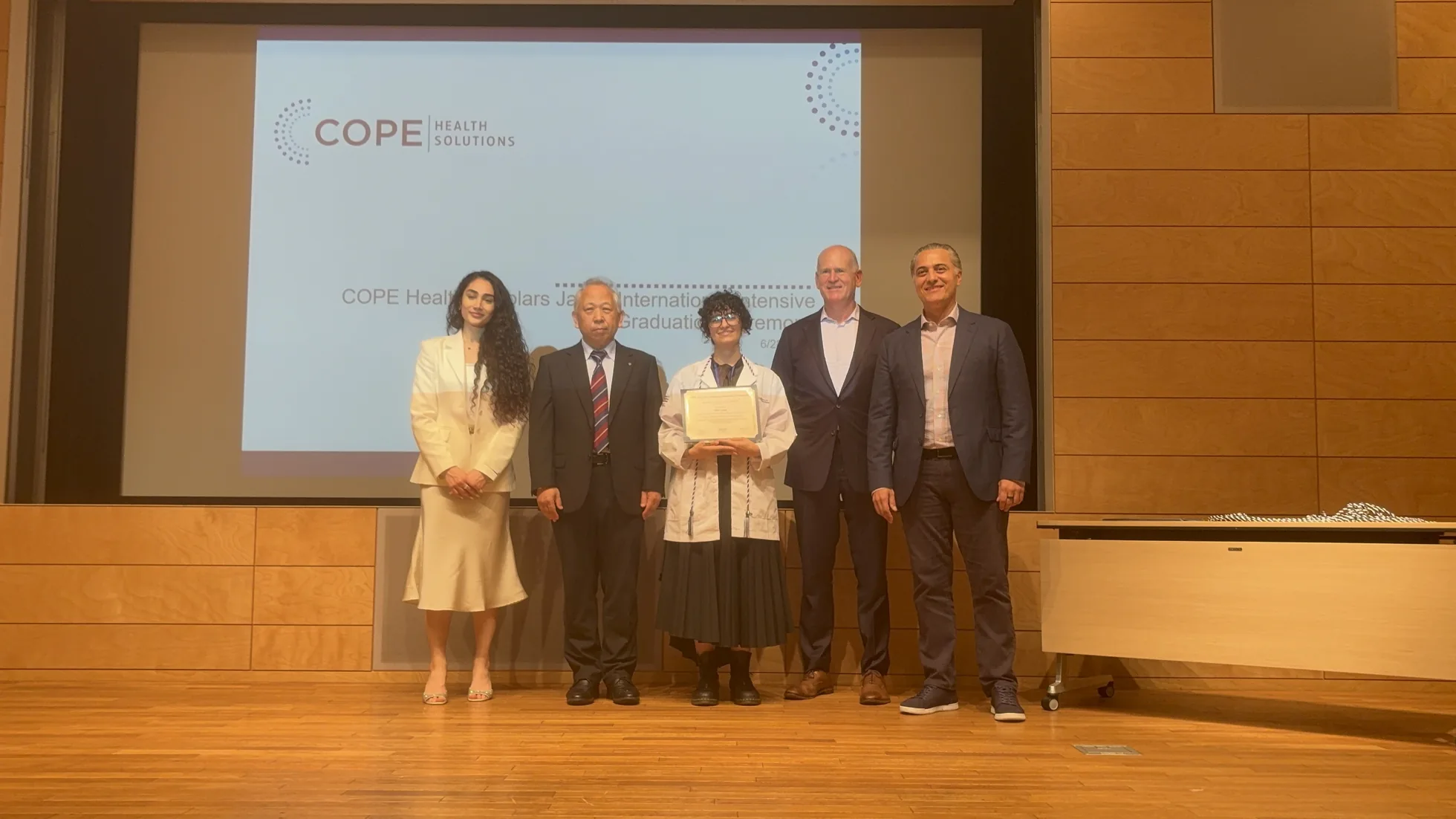
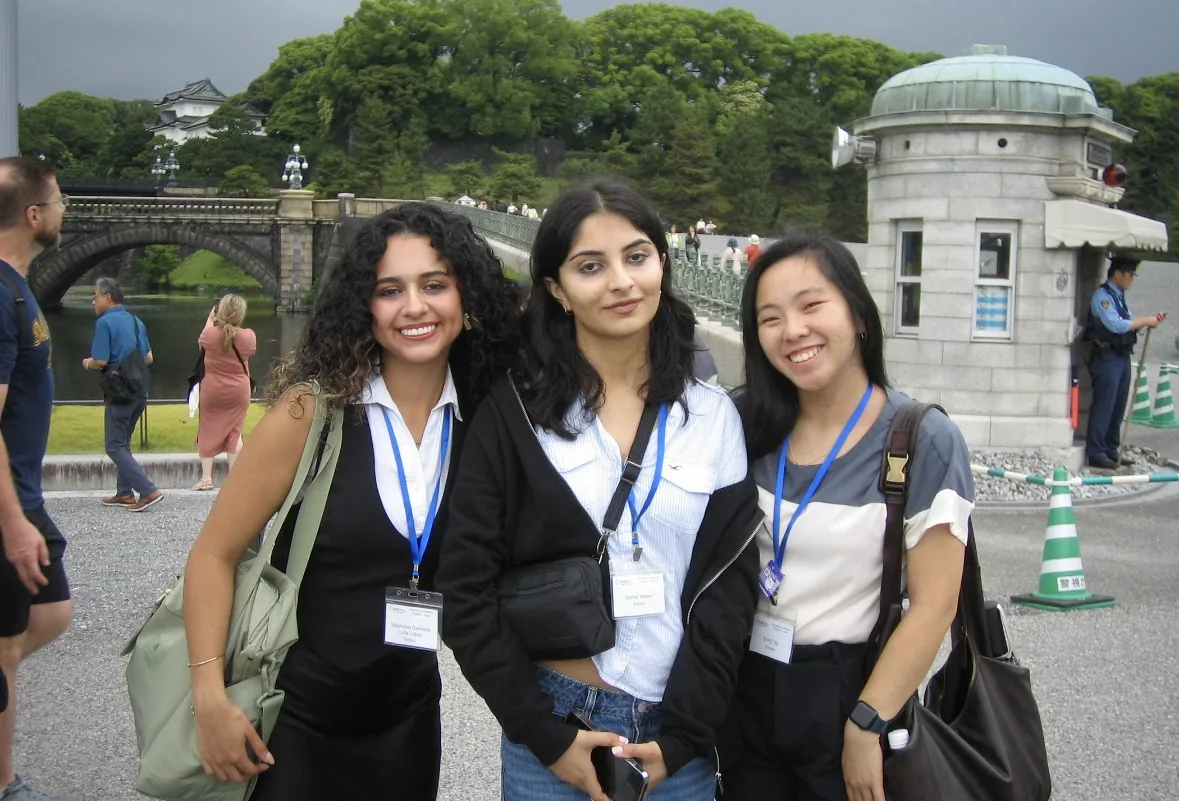
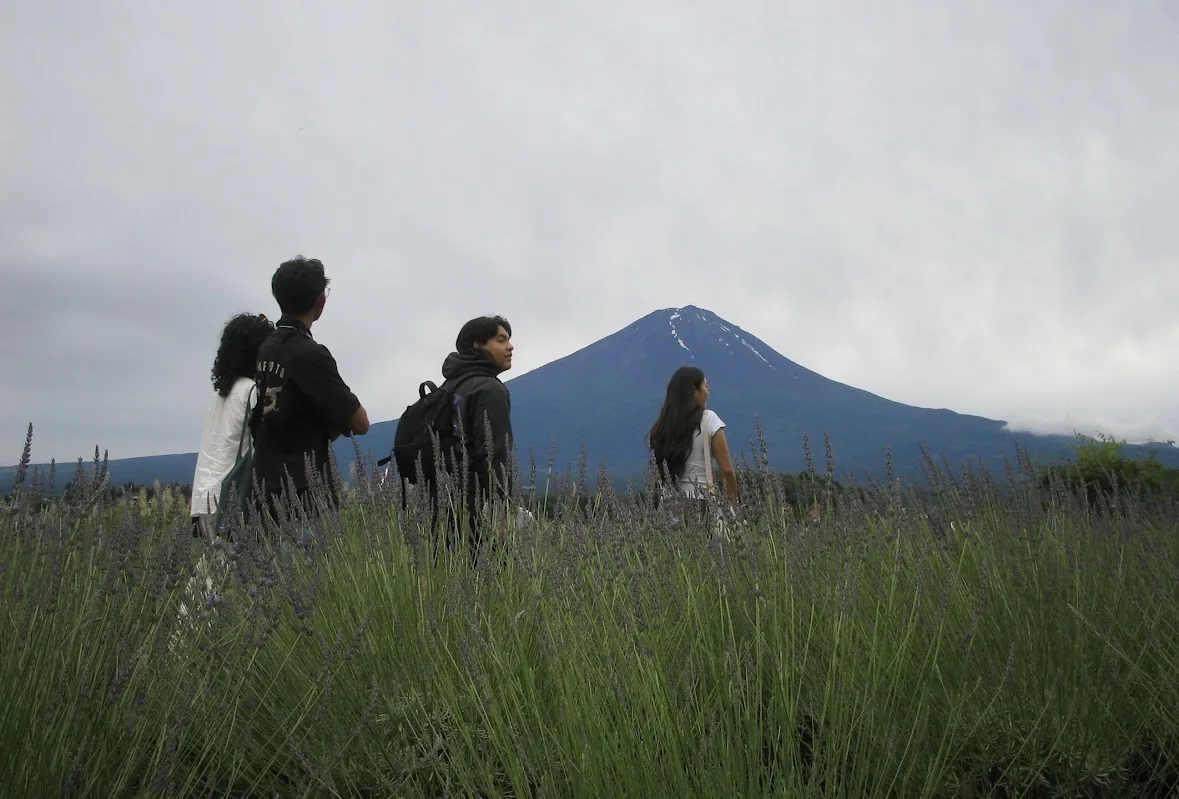
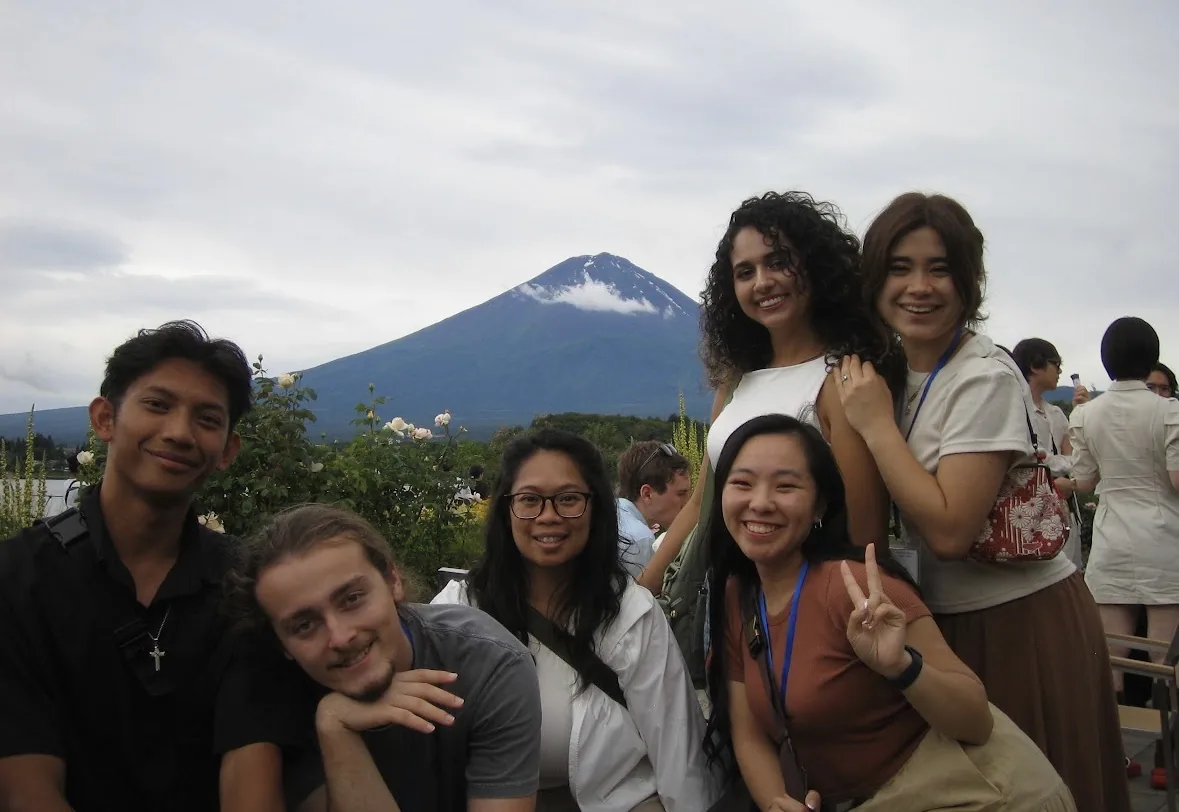
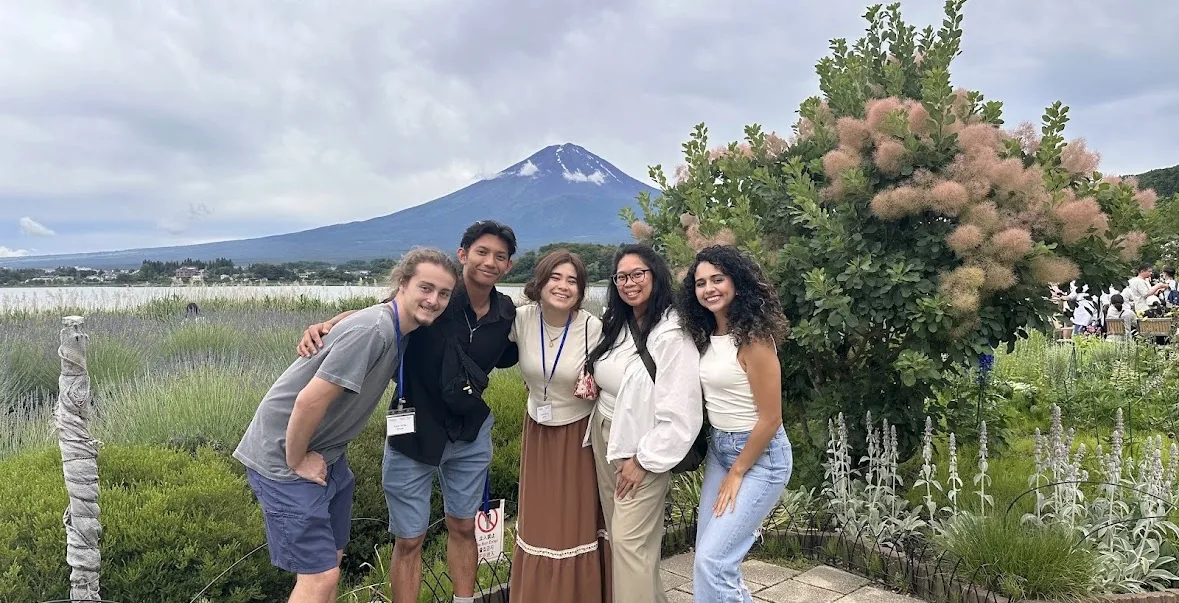
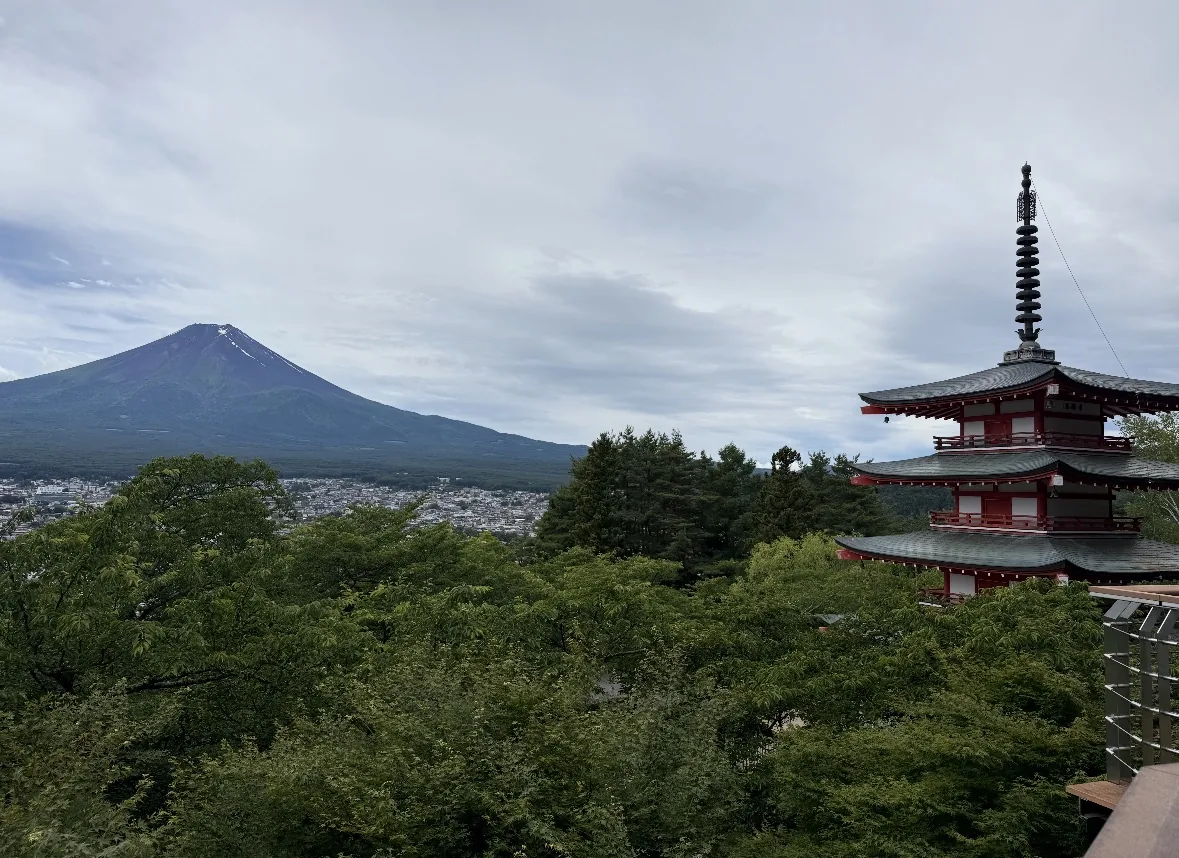
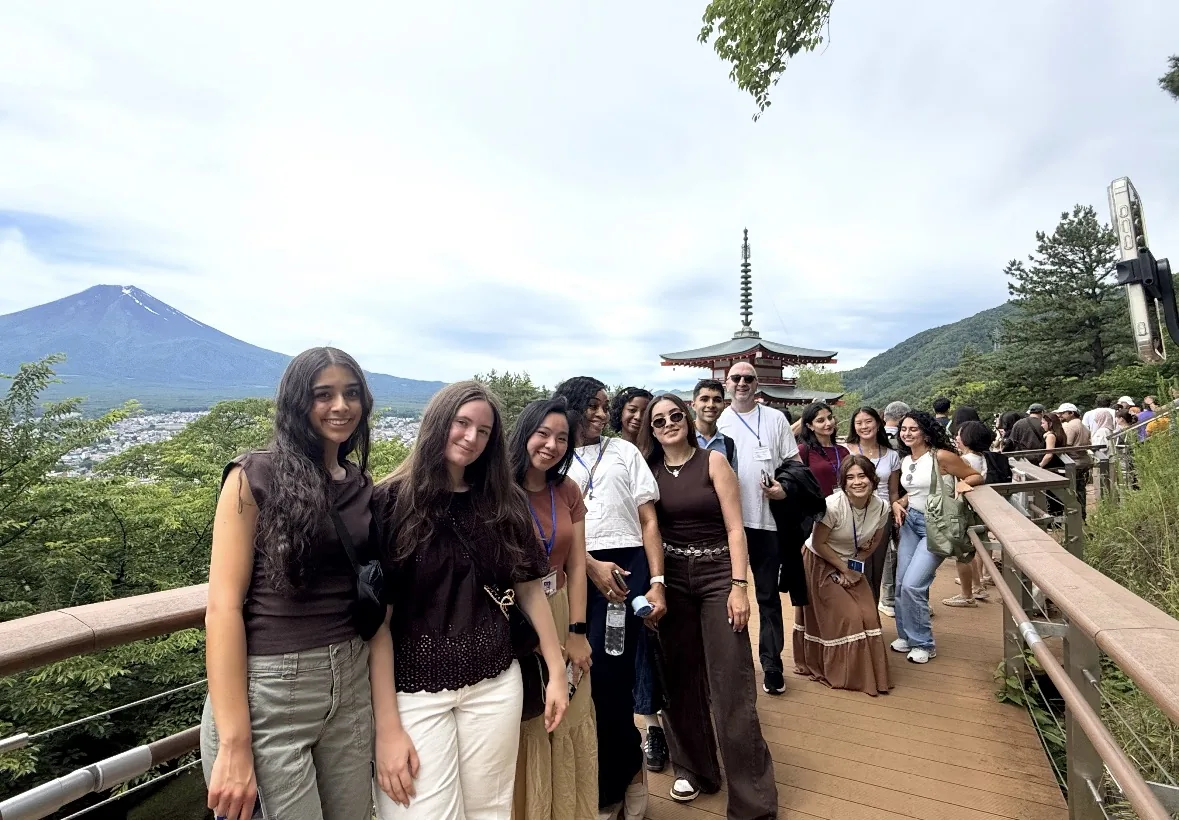
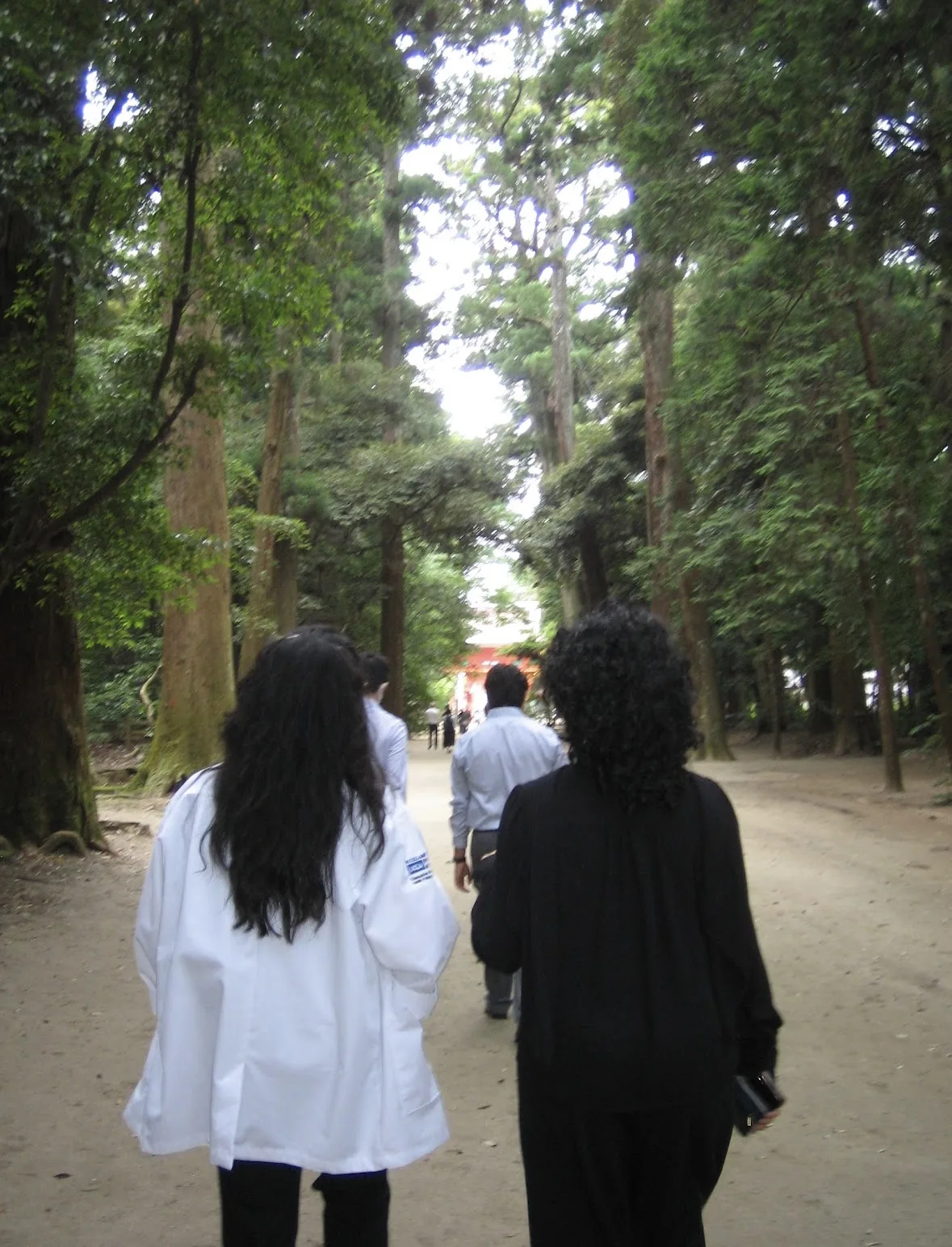

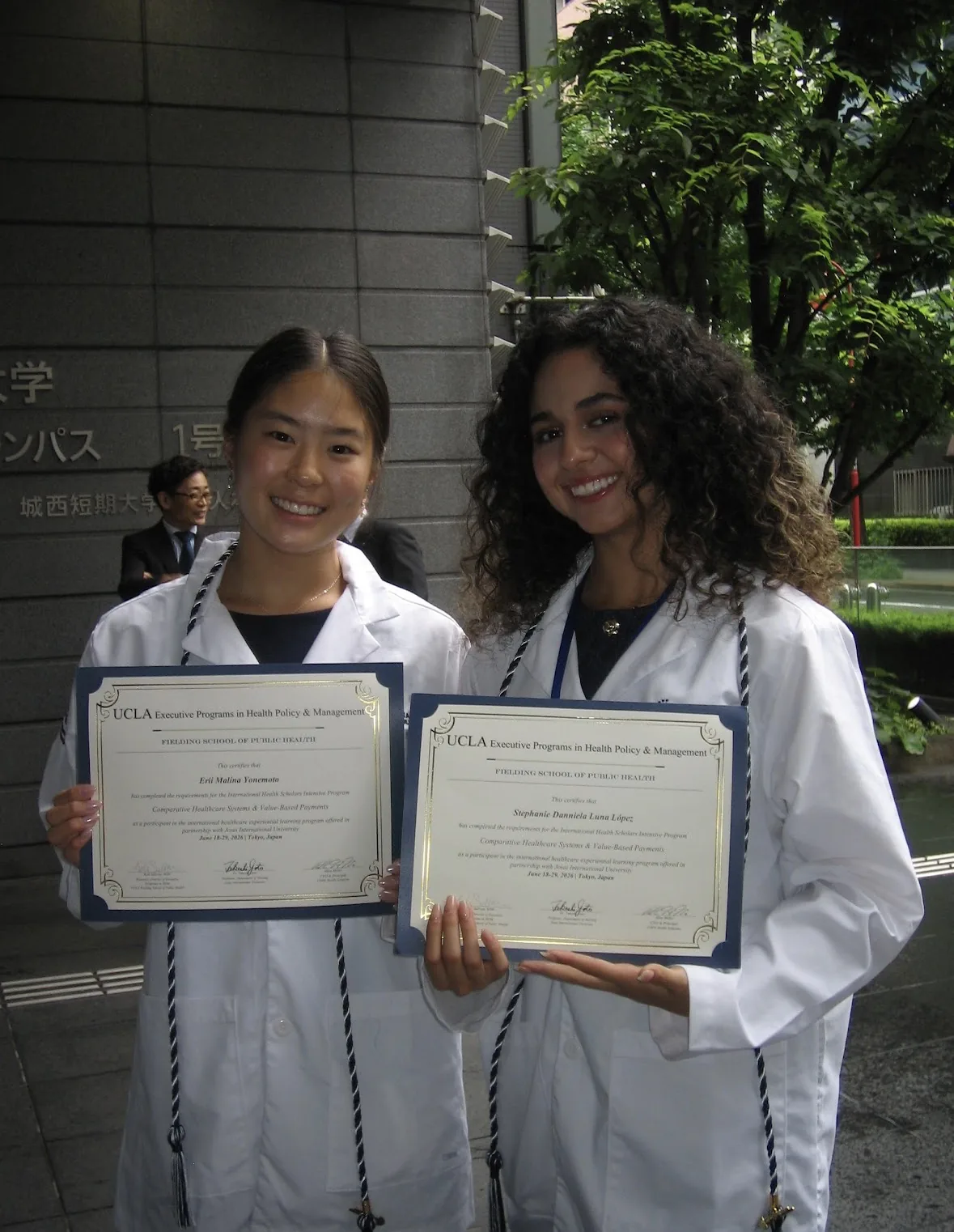
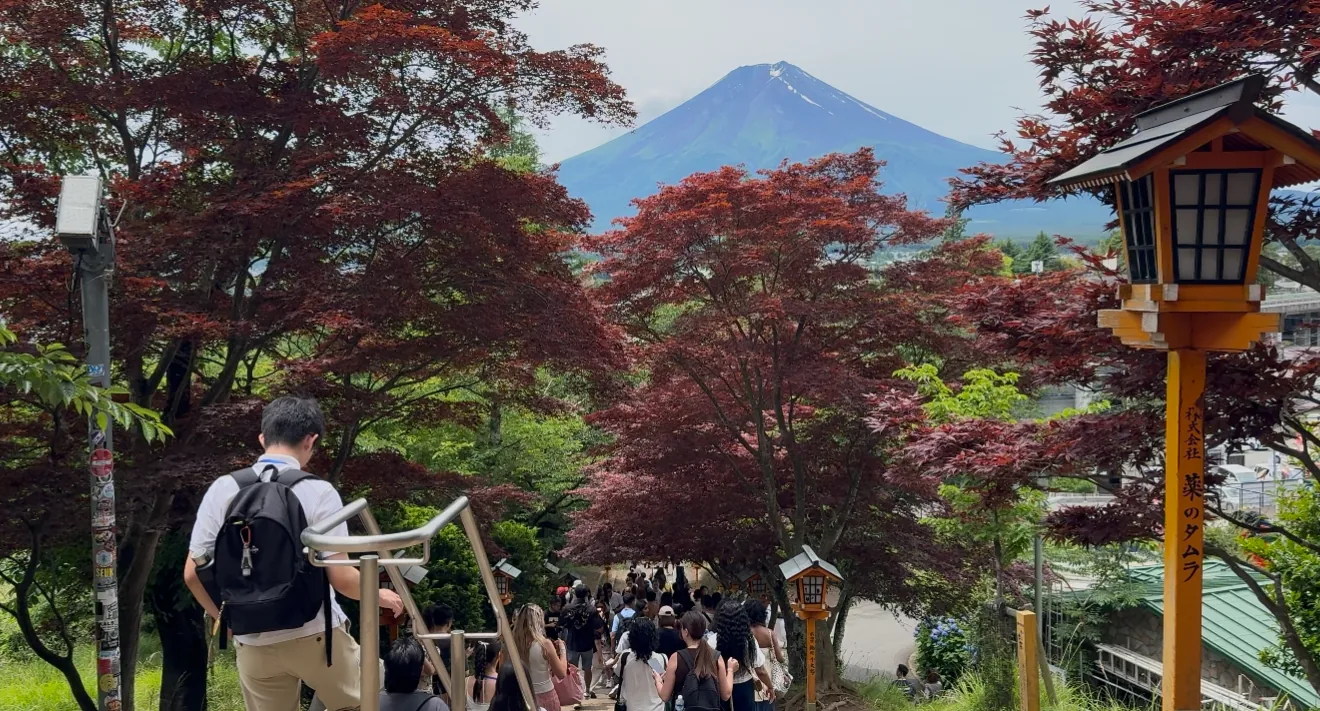
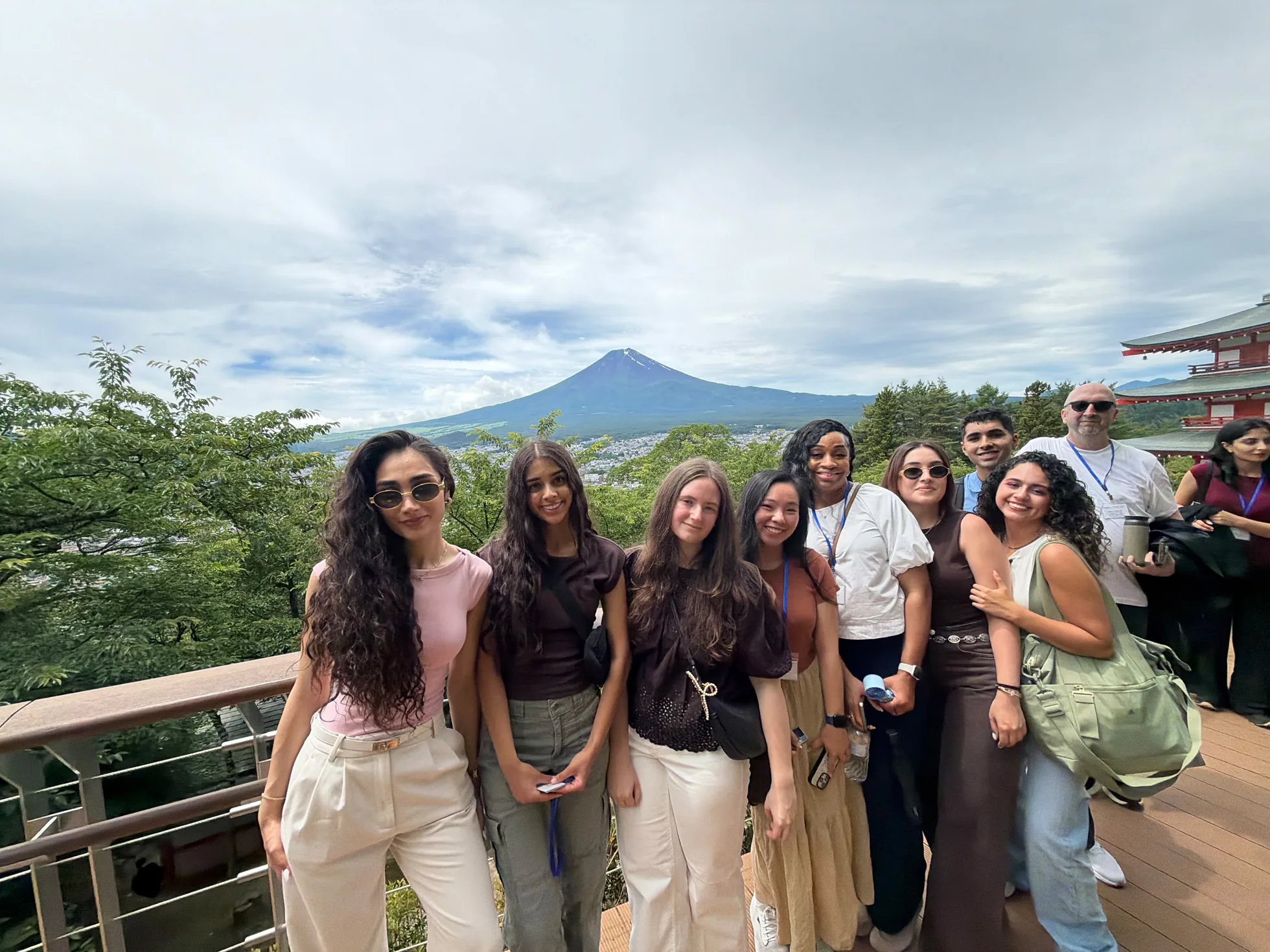
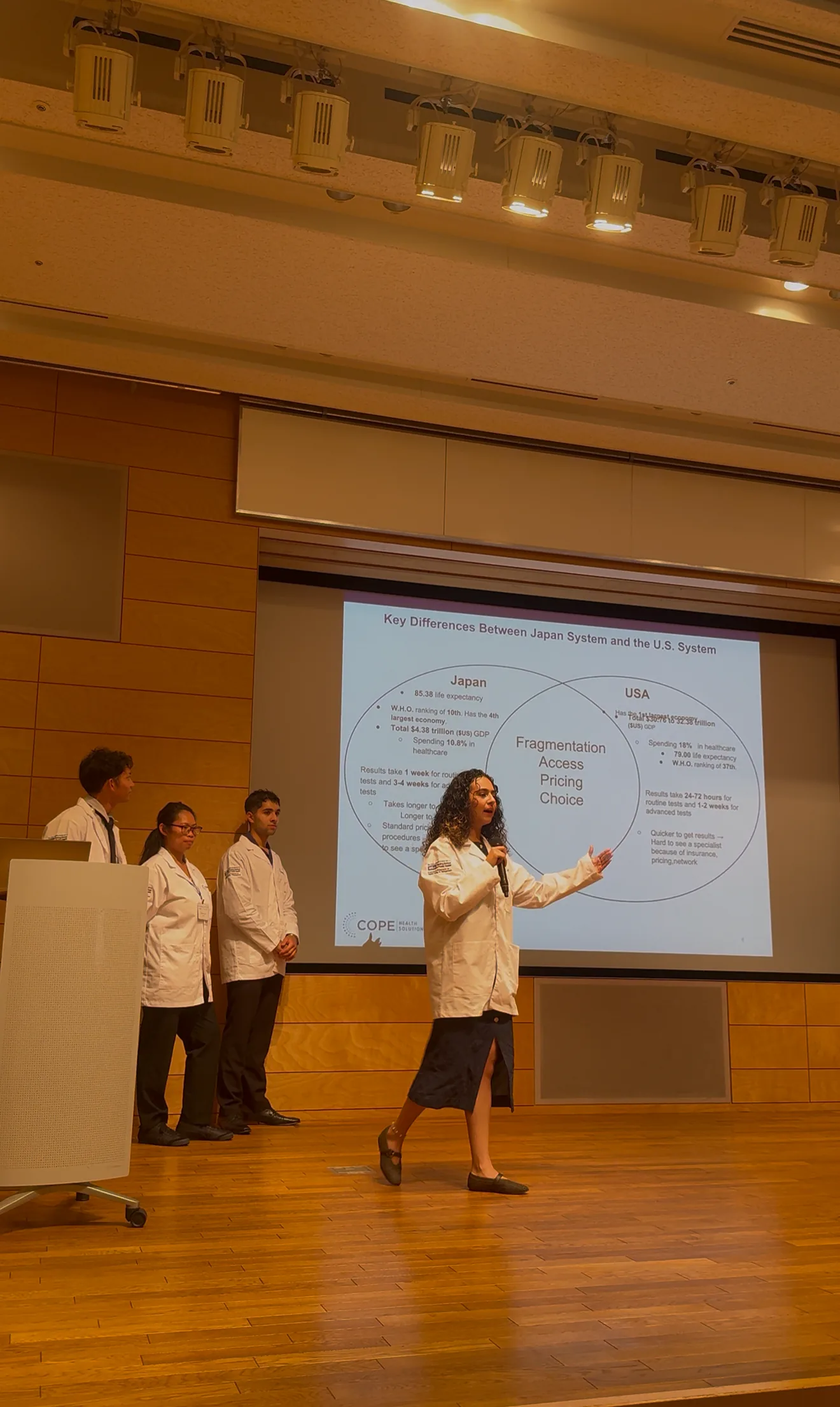
A closer look at the learning, relationships, and experiences that define each cohort.
The difference is not simply where you go—it is how every part of the experience connects.
The Japan International Health Scholar Intensive turns access into understanding by connecting comparative learning, clinical-site education, leader dialogue, professional application, and cultural context.
Experience one setting or organization.
Compare two healthcare systems and examine how each approaches access, cost, coverage, quality, payment, and care delivery.
Observe what happens without always seeing the decisions behind it.
Link clinical-site learning to policy, leadership, operations, safety, care coordination, and the experiences of patients and care teams.
Listen and observe with limited structured application.
Question faculty and healthcare leaders directly, then synthesize insights through a faculty-mentored comparative case study and formal team presentation.
Cultural activities may stand apart from the academic experience.
Experiences across Tokyo, Mt. Fuji, and Hakone deepen understanding of how history, community, aging, public life, and cultural expectations shape healthcare and institutions.
Educational and systems-focused. This intensive is designed for comparative learning and professional development—not hands-on patient care or physician shadowing.
Leave with more than memories. Return with a stronger professional lens.
The lasting value of the intensive is not only what you experience in Japan—it is how you learn to analyze complex healthcare questions, communicate informed ideas, and connect a global perspective to the career you are building.
Think more broadly
See how financing, policy, leadership, operations, culture, and patient care influence one another across two distinct healthcare systems.
Communicate with greater depth
Return with informed comparisons, real institutional examples, and a completed team project that add substance to coursework, applications, interviews, presentations, and professional conversations across clinical and nonclinical career paths.
Grow through meaningful connection
Build relationships with faculty and an interdisciplinary cohort while learning from the career journeys, decisions, and perspectives of healthcare leaders.
Learn from people who lead, practice, and shape healthcare
Engage faculty and executives whose experience spans clinical care, health-system transformation, public policy, value-based care, operations, and leadership in the United States and Japan.
Hear the career stories behind the titles.
In a candid panel, esteemed faculty share the turning points, choices, challenges, and lessons that shaped their professional journeys. Scholars can ask direct questions, explore possible career paths, and build meaningful connections with faculty and peers across disciplines.
Career journeys Real decisions and lessons
Live Q&A Ask what matters to you
Networking Connect across disciplines
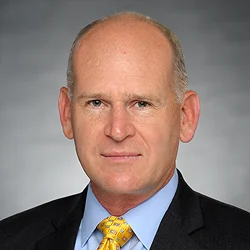
Allen Miller
For more than 30 years, Allen Miller has led the planning and optimization of clinically integrated networks, physician associations, ACOs, and health plans nationally — a nationally known expert on value-based payment and population health management.
He joins the intensive in person, sharing executive insight and supporting lectures — giving Scholars direct access to a leader who built one of the largest healthcare talent pipelines in the country. A UCLA graduate (B.S. and MPH), he also completed an International Business intensive at Oxford and serves as adjunct faculty at Columbia University.
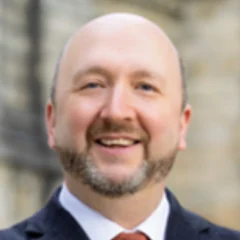
Arthur Gianelli
Arthur Gianelli, MA, MBA, MPH, FACHE, brings more than 25 years in senior leadership across complex health systems — including nearly eight years as a health system CEO. He is a Fellow of the American College of Healthcare Executives.
He teaches hospital management, strategy, and healthcare reform to graduate students at Columbia University’s Mailman School of Public Health and the Icahn School of Medicine at Mount Sinai. He holds degrees from St. John’s, Brown, Dowling, and Columbia.
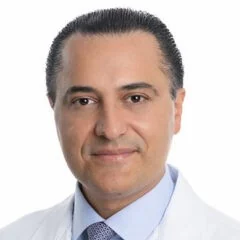
Sammy Eghbalieh, MD
Dr. Sammy Eghbalieh, FACS, DFSVS, RPVI, is a board-certified expert in advanced vascular, endovascular, and minimally invasive surgery for venous and arterial disease, having performed more than 10,000 procedures.
As Founding President and CEO of the Southern California Multi-Specialty Center, he brings Scholars the perspective of both a practicing surgeon and the leader of a thriving multi-specialty organization.
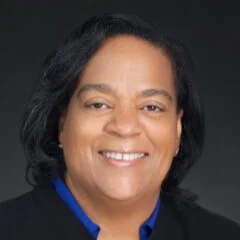
Carlene Zincke
Carlene Zincke, RN, brings more than 35 years of clinical and managerial experience, including over 15 years in acute care — leading pediatric, medical, and surgical ICU teams across public and private health systems.
She has built care-management programs within major insurance and health plans, and has served in humanitarian relief efforts internationally. Her perspective bridges the bedside and the boardroom.
Prof. Reiji Murayama
After earning a Master’s in Mathematics from the University of Tokyo, Prof. Reiji Murayama served in Japan’s Ministry of Health, Labour and Welfare, working on statistical research, actuarial analysis, and reforms to public health insurance, pensions, and long-term care.
He now advises the National Federation of Health Insurance Societies and lectures at Josai International University — offering Scholars an authoritative view of the Japanese system from the inside.
Additional distinguished U.S. and Japanese faculty announced for the 2027 cohort.
Choose the travel and room option that fits you best.
The Early Bird period offers the most favorable published 2027 tuition through October 23, 2026, while space remains. Every option includes the same complete academic, professional, and cultural intensive.
Early Bird rates are per Scholar. Tuition increases by $100 at each later deadline tier. A $65 application fee applies, and a non-refundable $500 deposit at application reserves your spot.
A complete academic, professional, travel, and cultural experience.
The value comes from how each part reinforces the others—preparation before departure, learning in Tokyo, direct access to leaders, cultural context, and coordinated support throughout the intensive.
Professional-level instruction, expert discussions, guided clinical-site learning, a faculty-mentored case study, formal presentation, and completion credential.
Hotel accommodations, coordinated transportation, selected meals, clinical-site and institutional visits, and cultural excursions designed to deepen the comparative learning.
Live Q&A, interdisciplinary teamwork, presentation experience, leader access, networking, and informed examples to carry into future applications, interviews, teams, and roles.
Pre-departure orientation and pre-work, bilingual and interpreter support, luggage handling, materials, on-site coordination, and guidance throughout the experience.
View the complete tuition inclusions and important notes
Your Early Bird tuition includes
Important tuition notes
Start Your ApplicationFind the right path for your goals.
Speak one-on-one with a team member for personalized guidance on program fit, room and flight choices, COPE Health Scholars payment plans, Klarna financing, eligibility, and the next step that best supports your academic or professional goals.
Earlier enrollment can create greater payment flexibility.
Applying earlier may provide more time to spread payments through an available COPE Health Scholars payment plan before departure. Klarna financing may also be available to eligible applicants; approval, terms, and available options are determined by Klarna.
Travel documents: your responsibility
All participants must hold a valid passport for the full duration of travel. Non-U.S. citizens may also require a visa to enter Japan. Securing the correct passport and any required visa—including timing, fees, and application—is each participant’s own responsibility. We recommend confirming requirements with the appropriate consulate well before departure.
Your COPE Health Scholars connection continues after completion.
Included Scholar benefit: Successful Scholars receive one year of access to the COPE Health Scholars Alumni Portal—a dedicated home for alumni resources, program updates, professional opportunities, and eligible partner benefits. Current Scholar and alumni offers may include up to 30% off eligible Kaplan preparation courses, 20% off eligible Summit CPR courses, up to 30% off eligible Fun Express activities, and 39% off eligible WASIO Faces headshots. Offers, eligibility, providers, and terms may change.
A clear path from application to Tokyo.
Applications are reviewed on a rolling basis while space remains. Applying earlier gives you access to the lowest published tuition tier and more time to complete the steps leading up to departure.
Applications are reviewed on a rolling basis while cohort space remains.
Apply by this date for the lowest published tuition tier; applications are still reviewed as space remains after this date.
Applications continue to be reviewed as space remains.
Final cutoff unless the cohort reaches capacity earlier.
What happens after you apply.
Each phase is designed to keep you informed, prepared, and confident about what comes next.
Apply, interview, and enroll
Get ready for the intensive
Begin the 12-day experience
Your preliminary application begins the review process. It does not require payment or commit you to enroll. Qualified applicants are invited to interview before an enrollment decision is made.
Requirements & eligibility
Review the eligibility, academic, travel-document, and preparation requirements for participation in the Japan International Health Scholar Intensive.
Eligibility and application
- Be at least 18 years old.
- The program welcomes undergraduate and graduate students, recent graduates, career changers, and working professionals across healthcare paths.
- Applications are reviewed on a rolling basis while space in the cohort remains.
Academic and professional review
- Students and recent graduates must have a 2.5 GPA or higher and submit an unofficial transcript.
- Applicants with five or more years of professional experience may submit a current professional CV or resumé instead of a transcript for review.
- Qualified applicants are invited to interview before an enrollment decision is made.
Passport and visa
- Hold a valid passport covering the full travel period.
- Non-U.S. citizens may also need a visa to enter Japan.
- Obtaining the right passport and any required visa — including fees and timing — is each participant’s responsibility; check with the appropriate consulate early.
Preparation and language
- Complete one live pre-departure orientation and assigned guided pre-work before travel.
- Japanese proficiency is not required; the intensive is conducted in English.
- Interpreters and bilingual support are provided during lectures, clinical site visits, discussions, and scheduled program activities.
Program-specific details: Application review is rolling and cohort capacity is limited. Travel-document timing and costs are each participant’s responsibility. Review enrollment materials for complete and current requirements and contact Admissions with questions.
The details that matter before you commit
Clear answers about eligibility, language support, travel, investment, and what you will gain from the experience.
How large is the 2027 cohort?
The 2027 cohort is limited to up to 64 Scholars across academic backgrounds, healthcare disciplines, and career stages. Applications are reviewed on a rolling basis while space remains, and April 16, 2027 is the hard final application cutoff.
When are the program dates and application deadlines?
Applications are reviewed on a rolling basis. The Early Bird priority deadline is October 23, 2026, the Standard deadline is January 15, 2027, and the hard final application deadline is April 16, 2027. The intensive runs June 17–28, 2027. The program begins June 17, and Scholars return June 28.
What makes the program a meaningful investment?
The program brings together comparative systems learning, direct access to faculty and healthcare leaders, guided clinical-site education, professional case work, presentation experience, cultural immersion, coordinated travel support, and an interdisciplinary network. Its value comes from how these elements reinforce one another and give Scholars informed examples and perspective they can carry into future applications, interviews, teams, patient care, and leadership settings.
What are the eligibility pathways?
A 2.5 GPA or higher is required for students and recent graduates. Applicants with five or more years of professional experience may submit a current CV or resumé for review. Qualified applicants are invited to interview before an enrollment decision is made.
Who is the program designed for?
The program welcomes undergraduate and graduate students, recent graduates, career changers, future clinicians, and working professionals across public health, administration, policy, business, analytics, research, quality, operations, and other healthcare paths. Scholars learn together across disciplines and career stages, bringing different perspectives to the same interconnected healthcare system.
What's the difference between the price options?
Early Bird options differ only by room occupancy and whether the round-trip group flight is included: double occupancy with self-arranged airfare is $7,750; single occupancy with self-arranged airfare is $8,450; double occupancy with the group flight is $8,750; and single occupancy with the group flight is $9,450. Every option includes the same core intensive. Tuition increases by $100 at each later deadline tier.
Are payment plans available?
Yes. COPE Health Scholars payment plans may be available, and applying earlier can provide more time to spread payments before departure. Klarna financing may also be available to eligible applicants. Klarna determines approval, terms, and available financing options.
How will I prepare before departure?
Scholars complete one live pre-departure orientation and guided pre-work before travel. The preparation is designed to build shared academic context, clarify expectations, and help Scholars arrive ready for the lectures, clinical site visits, case study, cultural experience, and program logistics.
Do I need a passport or visa?
Yes — every participant must have a valid passport covering the full travel period. Non-U.S. citizens may also need a visa to enter Japan. Obtaining the right passport and any required visa is each participant’s own responsibility, including fees and timing, so we recommend checking with the appropriate consulate early. Our team is happy to point you to official resources.
Do I need to speak Japanese?
No. Japanese proficiency is not required. The intensive is conducted in English, with interpreters and bilingual support provided during lectures, clinical site visits, discussions, and scheduled program activities.
What support is provided during the intensive?
Scholars receive pre-departure guidance, on-site coordination from the COPE Health Scholars program team, bilingual and interpreter support during scheduled activities, coordinated transportation for official program activities, and clear group communication throughout the intensive. Scholars remain responsible for personal needs, travel documents, and activities outside the official itinerary.
What will I leave the intensive with?
You will leave with comparative insight into the U.S. and Japanese healthcare systems, experience developing and presenting a faculty-mentored team case study, professional relationships across disciplines, a broader global perspective, and—upon successful completion—a UCLA Fielding School of Public Health Certificate of Completion.
What is not included in tuition?
The $65 application fee, passport and visa costs, personal spending, optional activities outside the scheduled program, and meals not specifically listed in your package are not included in tuition. Airfare is included only in the group-flight tuition options. Your enrollment materials should be reviewed carefully for the complete and current inclusions, exclusions, and policies.
See the system differently—and return ready to contribute differently.
Apply for rolling review and consideration for a focused cohort of up to 64 Scholars. Choose the next step that best supports your decision.
Attend a free information session
Meet the team and get a clear overview of the curriculum, clinical sites, eligibility, travel, application process, and program experience.
Talk with the program team
Discuss the curriculum, clinical sites, eligibility, travel, program fit, and any questions that would help you make an informed decision.
Start your 2027 application
Submit your application to begin the rolling review process. Qualified applicants are invited to interview, and accepted applicants then choose whether to enroll.
The program runs June 17–28, 2027. Applications are reviewed on a rolling basis and close April 16, 2027—or earlier if the 64-Scholar cohort reaches capacity.
Healthcare professionals with Japanese-language skills
We are looking to connect with Healthcare professionals who speak Japanese, especially those comfortable with medical terminology, and learn more about their professional background and language proficiency.
This is a separate professional connection opportunity. Japanese proficiency is not required for Scholars or program participation.