

Don’t just prepare for healthcare. Step inside it.
The COPE Health Scholars Program helps aspiring healthcare professionals and career changers launch their careers through structured patient support, learning alongside healthcare teams, and exposure to clinical and administrative hospital departments. Earn a Certificate of Completion while building confidence, leadership, and career clarity.
No prior healthcare experience is required. Preparation, guidance, and ongoing program support are provided before and throughout the experience.

See the experience. Hear what it can make possible.
Hands-on patient care, hospital teamwork, leadership, and mentorship can shape far more than a resumé. They can build confidence, clarify career direction, and create stories Scholars carry into what comes next.
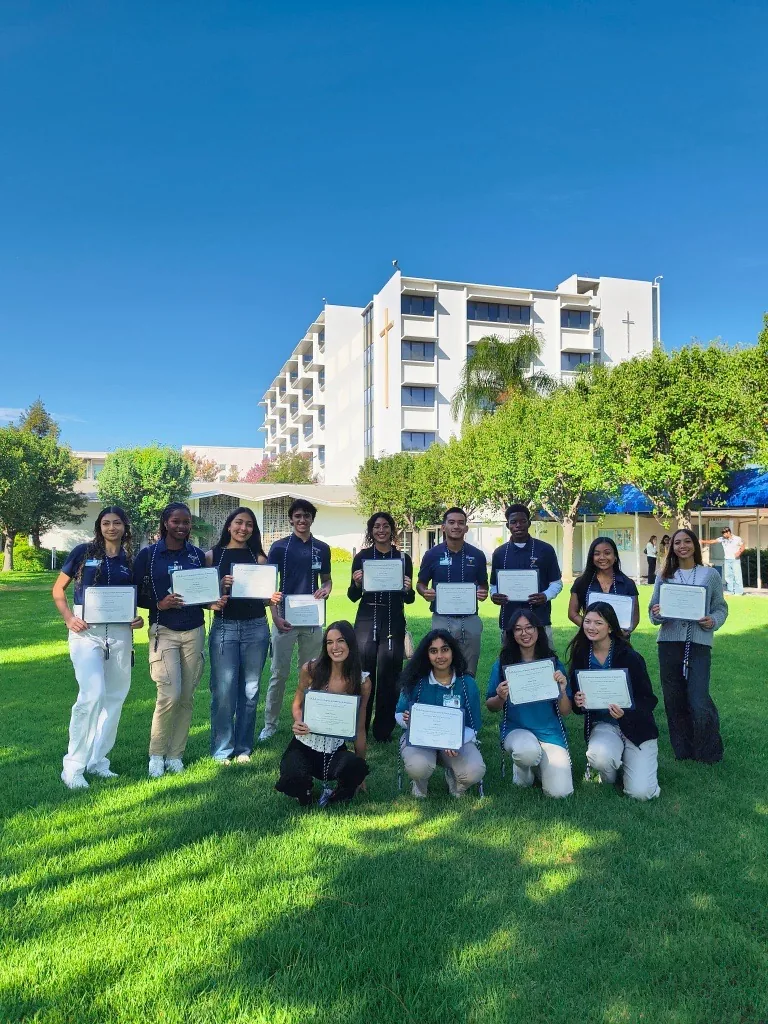
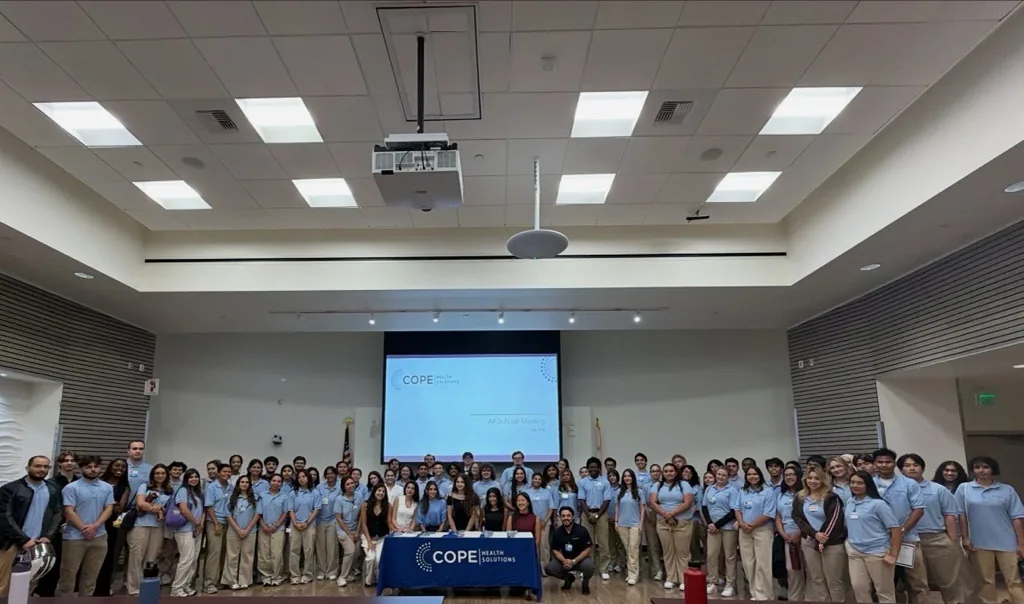
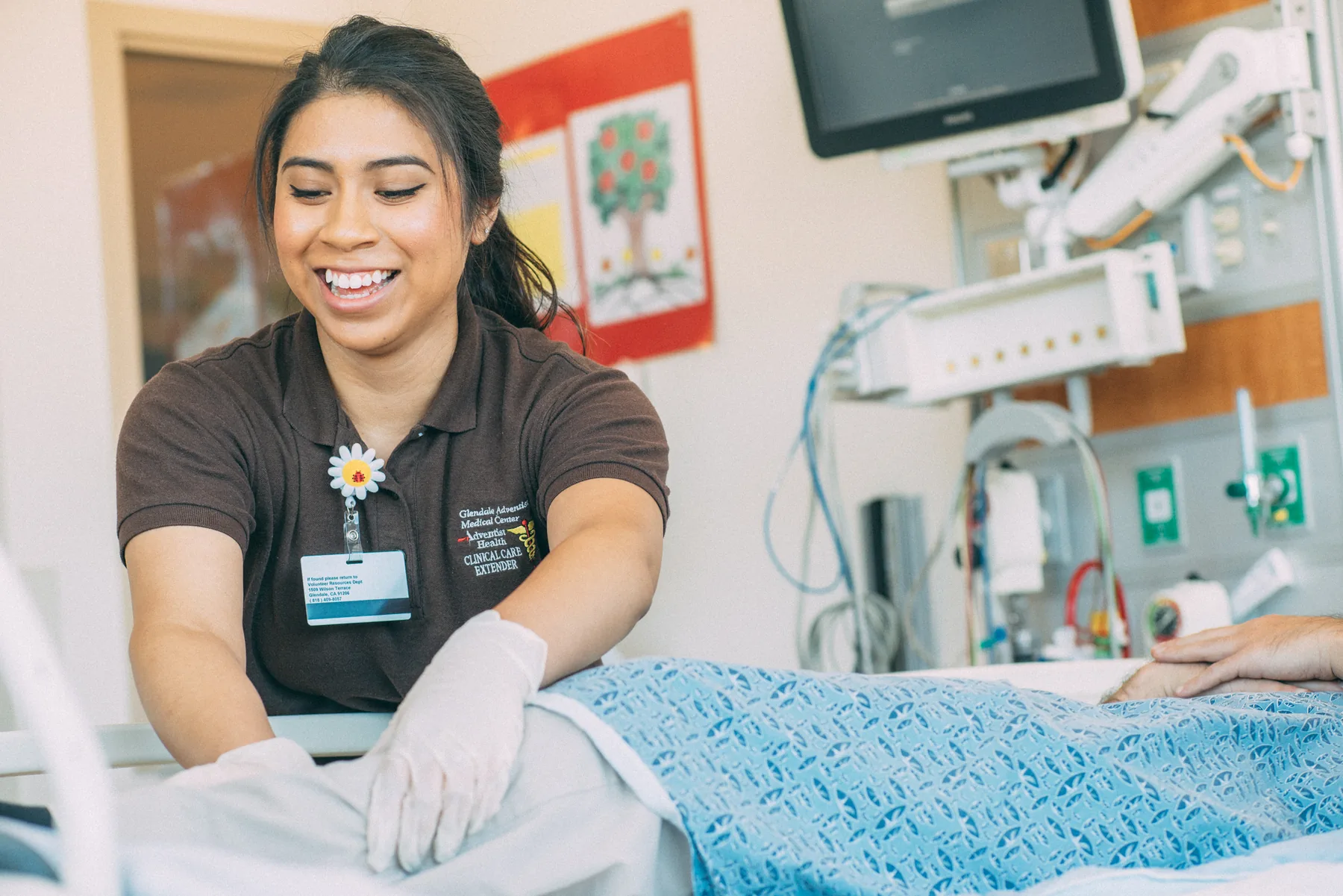
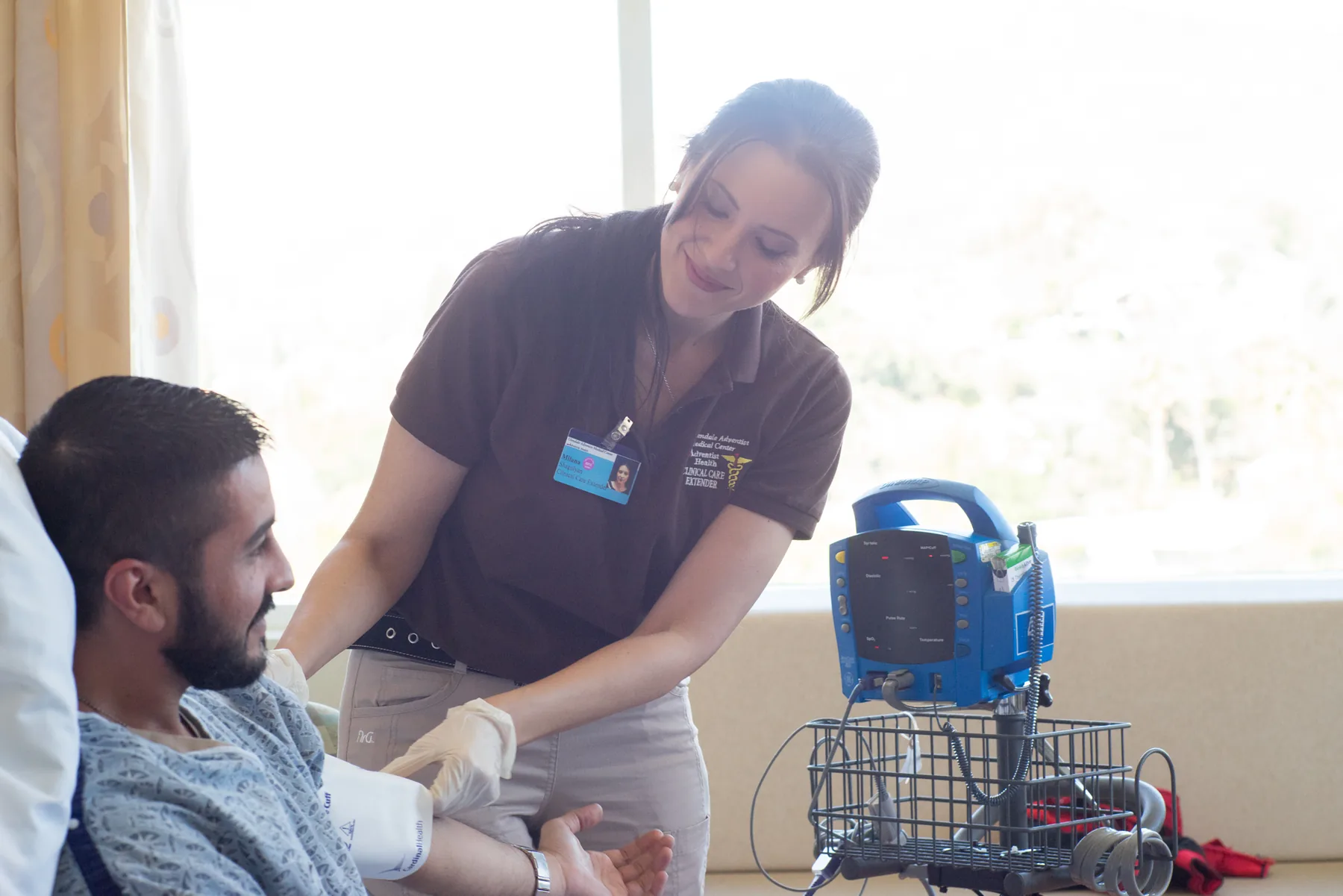
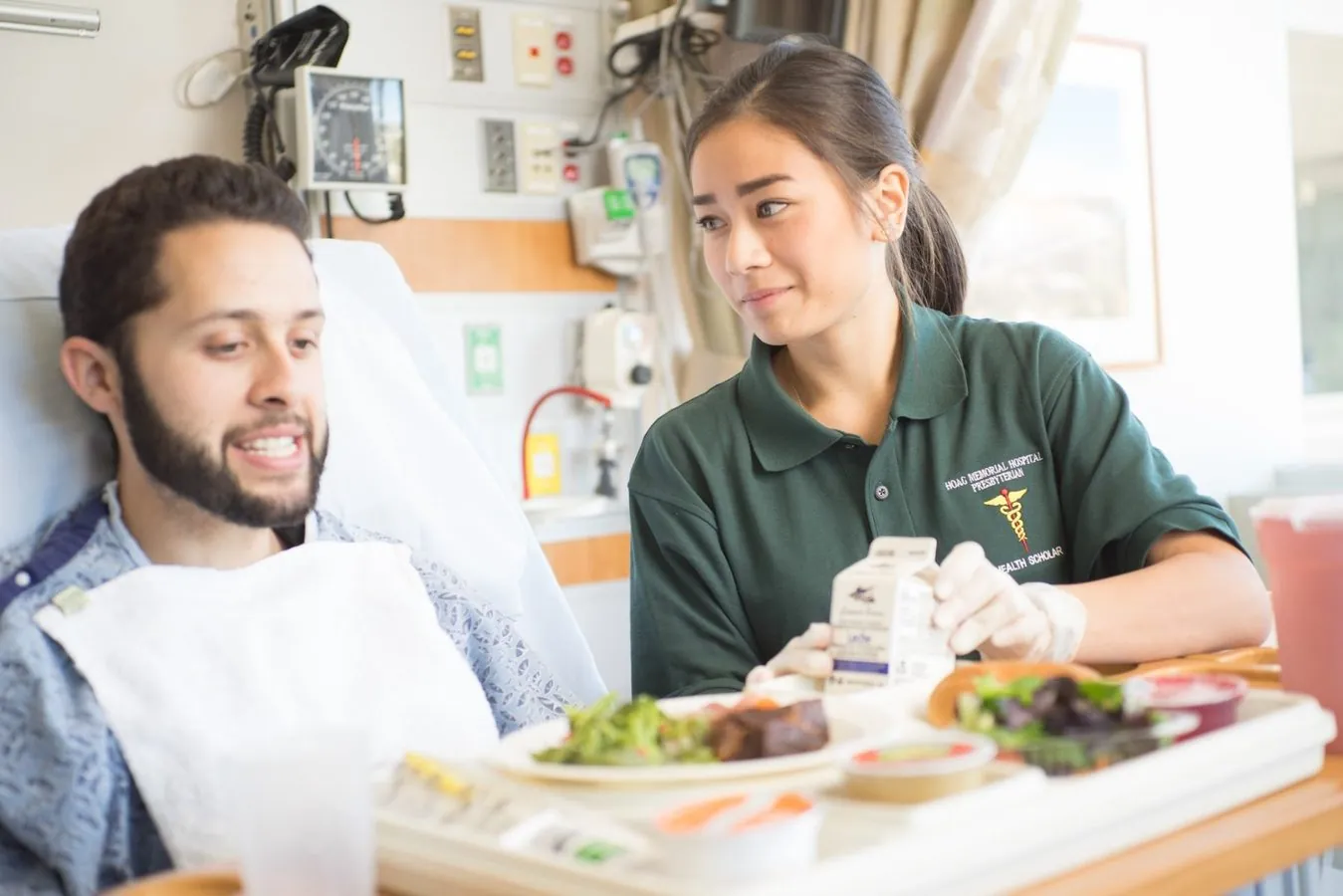
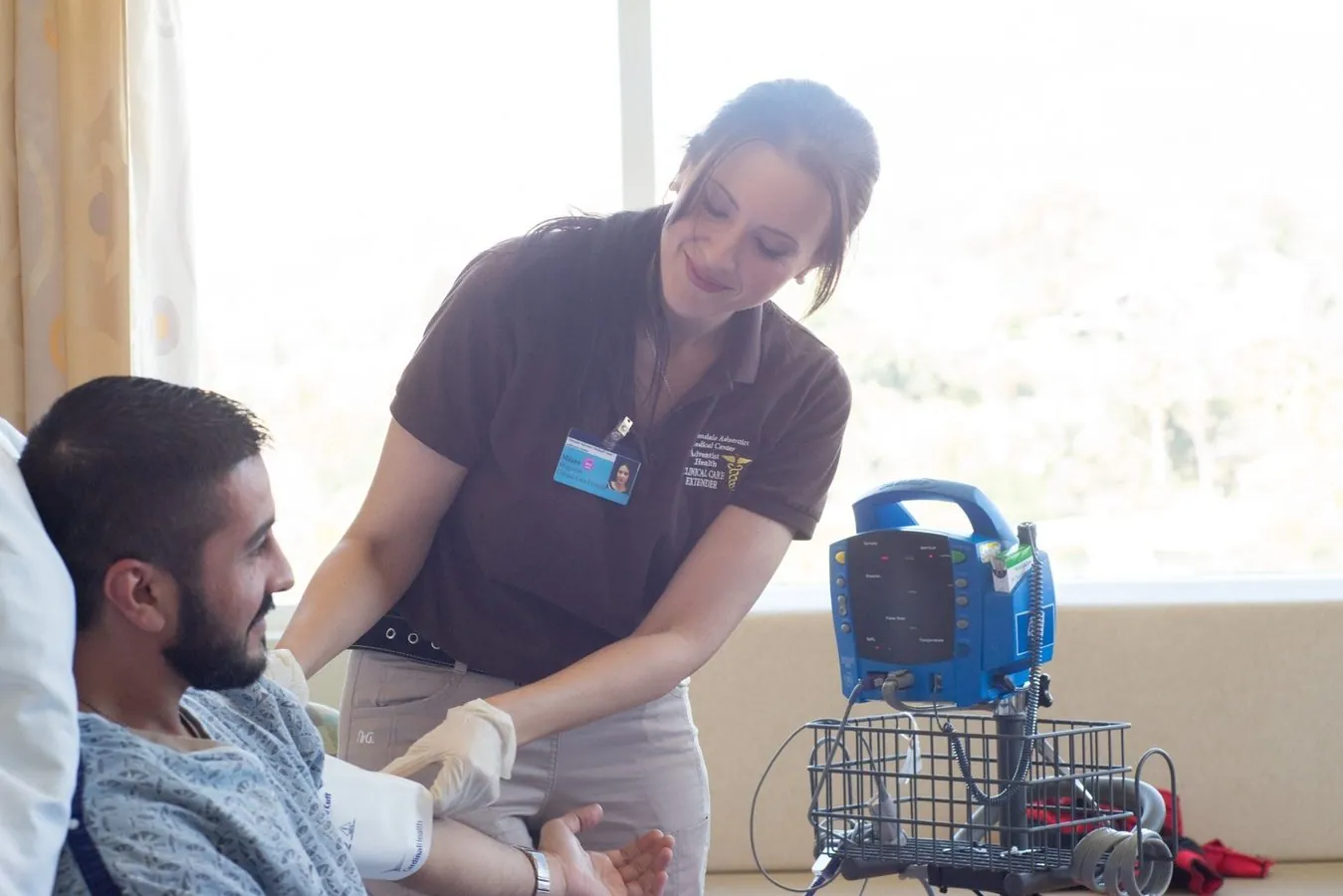
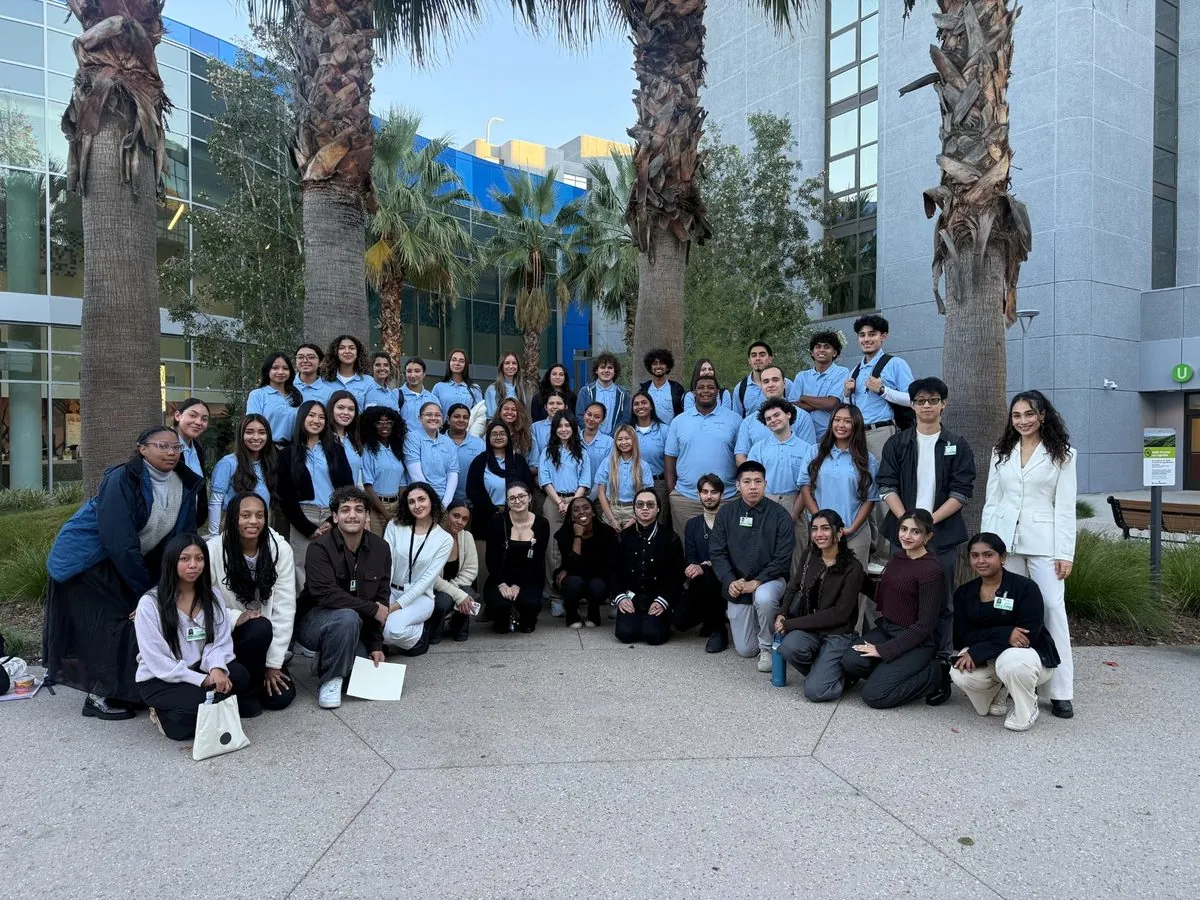
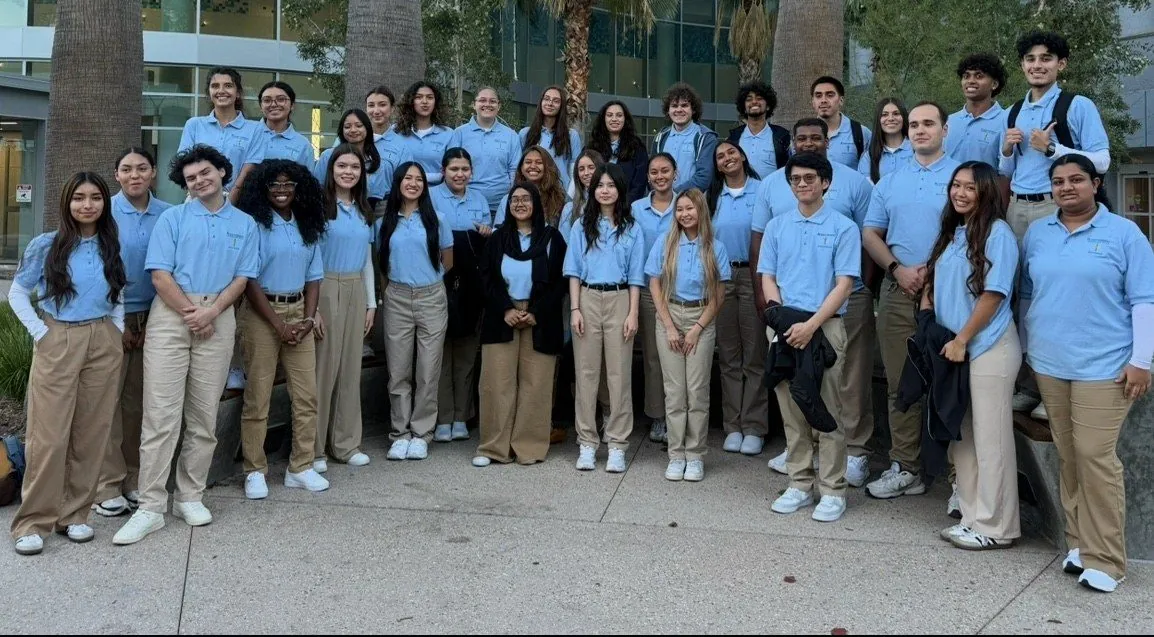

Experience becomes powerful when Scholars can describe how it changed them.
Explore how Scholars and alumni describe the confidence, clarity, relationships, and career direction they developed through the program.

I found that I learned just as much from the patients as I did from the staff. Patients bring a perspective on how they live with their medical conditions. This information will give me a better understanding of how to provide care for my patients in the future.
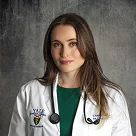
Sarah Smith gained pre-hospital patient-care experience through her role as an EMT in tandem with her participation as a Health Scholar. She credits the program with strengthening her understanding of how hospitals truly function.

Growing up as a son of Mexican immigrants in Ukiah, California, access to care can take months due to a lack of physicians in our community. In addition, there often exists a cultural and language barrier for Latino Spanish-speaking patients in Ukiah. Experiencing these disparities propelled me to pursue medicine.
Support patients. Strengthen care teams. See the difference you can make.
Build meaningful, hands-on patient care experience through a broad, structured scope of practice that can include bedside comfort care, mobility, vital signs, monitoring support, patient safety, and essential unit operations.
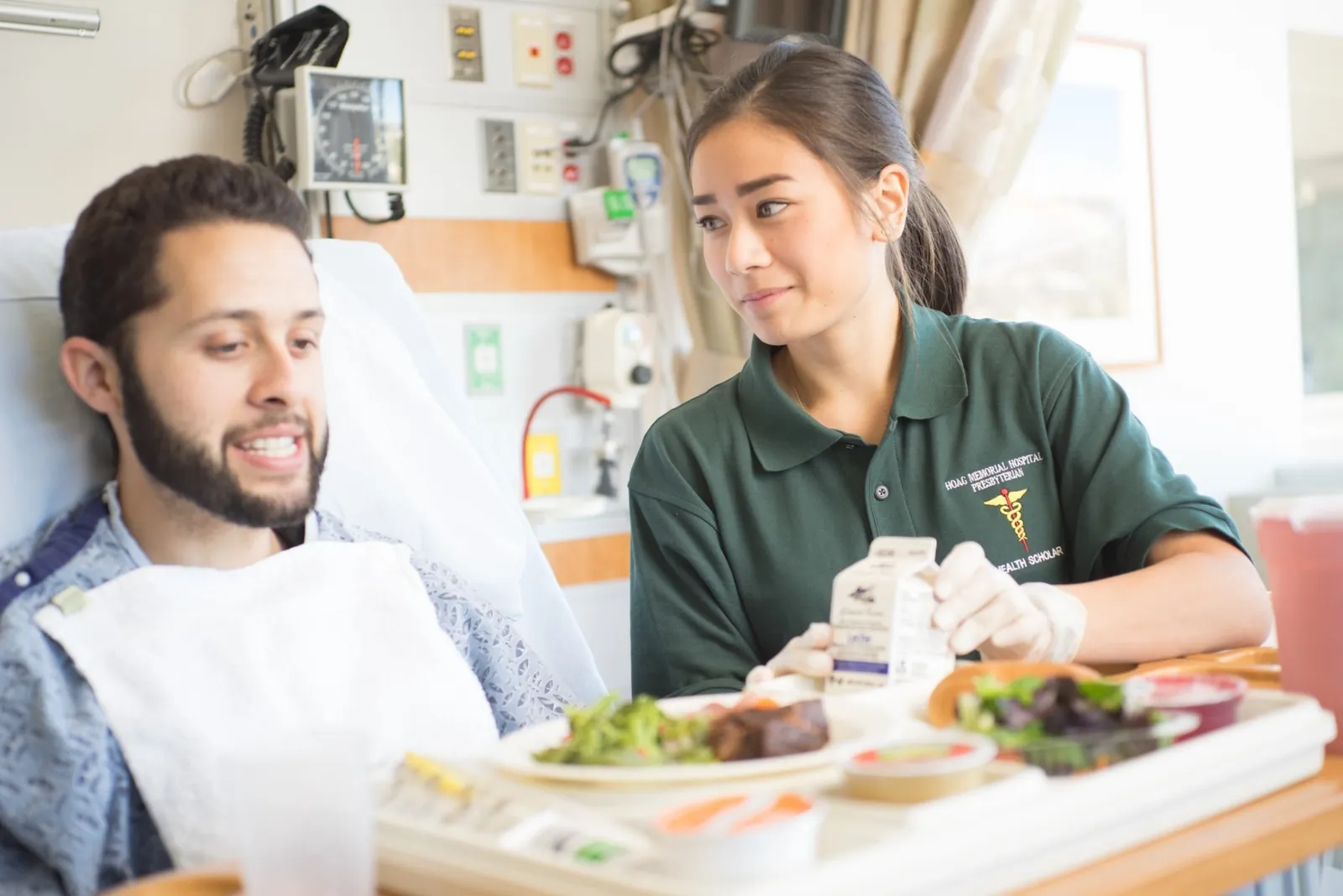
Bedside Patient Care and Comfort
- Respond to call lights, check on patients, and relay needs to staff
- Assist with meals and feed patients without documented swallowing difficulties
- Assist staff with bathing, changing, toileting, repositioning, and occupied-bed care
- Support approved comfort measures, including warm or ice packs for staff administration
- Participate in active rounding and help keep essential items within reach
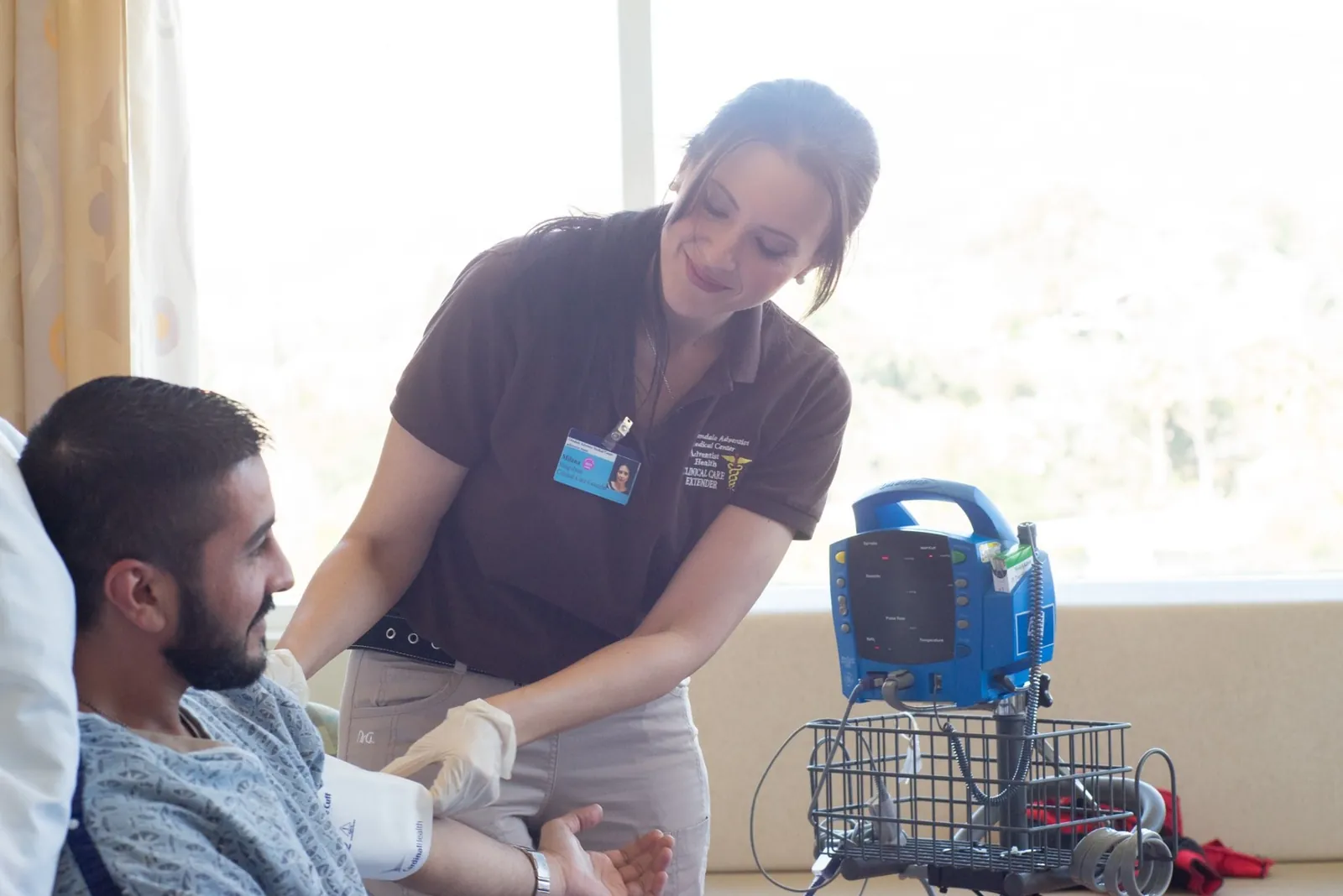
Vital Signs and Clinical Support
- Assist staff with vital signs: blood pressure, pulse, temperature, respiratory rate, oxygen saturation, and pain level
- Assist with bedside-monitor setup and replace telemetry-box batteries
- Apply or readjust EKG and telemetry leads and assist with sequential compression devices
- Perform CPR chest compressions only during an emergency when trained
- Observe healthcare professionals during patient care

Mobility, Transport, and Discharge Support
- Accompany patients while walking the unit and assist staff with approved mobility activities
- Assist with patient movement, transport, and wheelchair discharge support
- Support staff with fall-risk mobility activities under direct guidance
- Respond to bed alarms, call for assistance, and support safe patient positioning
- Serve as a safety companion for approved non-psychiatric patients
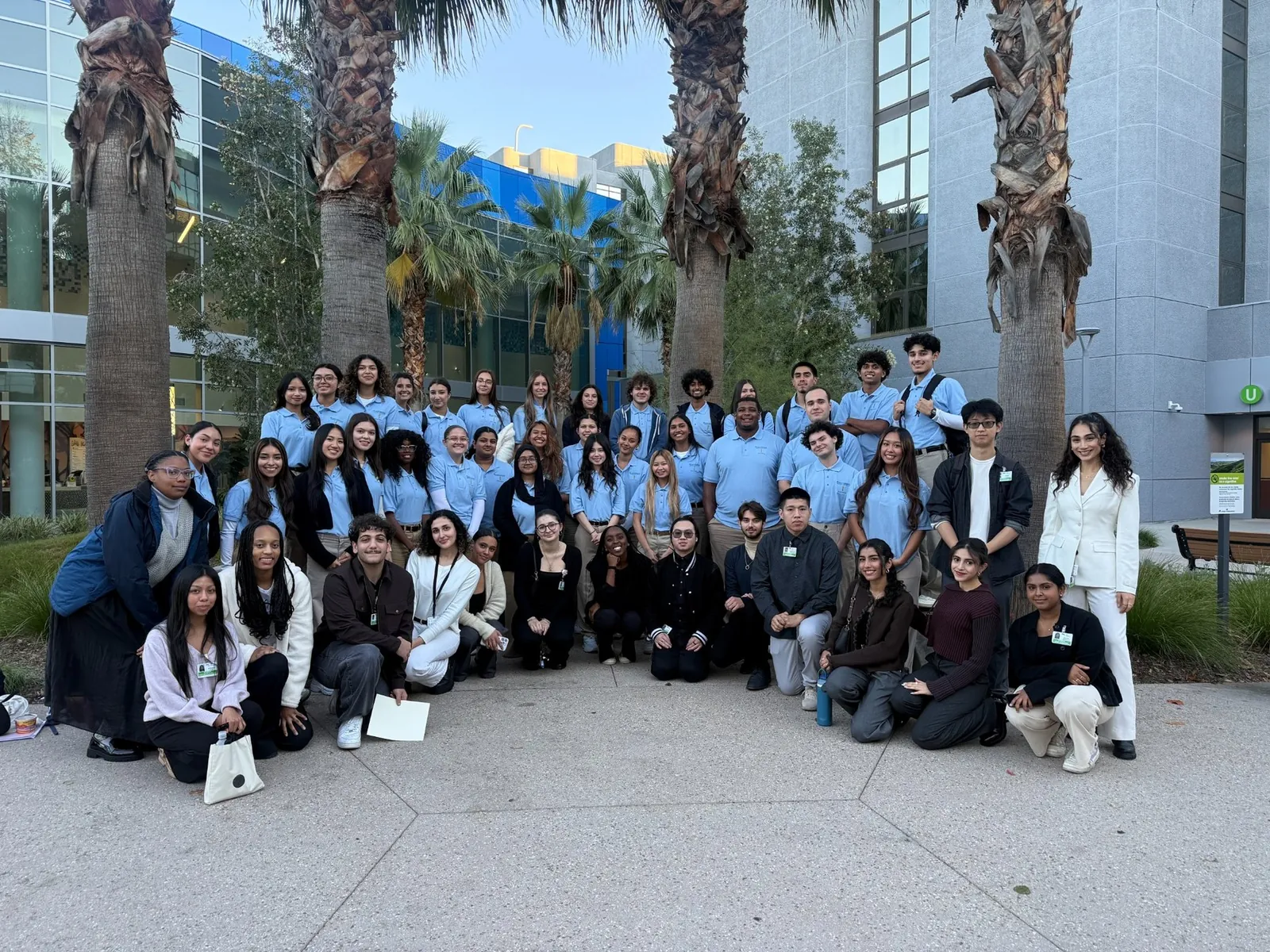
Patient Safety and Unit Operations
- Complete patient-safety rounding and escalate concerns to staff
- Prepare rooms for admissions, make beds, update whiteboards, and place safety signage
- Check that patient beds are locked and in the lowest position
- Restock and audit supplies, clean approved equipment, and support floor initiatives
- Assist patients and visitors with wayfinding, televisions, and telephones
Training, site scope of practice, and patient safety always come first. Scope of Practice, staff-approval and staff-presence requirements, and department availability vary by site. Health Scholars perform only activities included in their completed training and current site scope of practice. Restricted activities include handling medications, administering restraints, translating medical information, accessing protected health information, adjusting catheters, handling patient valuables, and any task for which a Scholar has not been trained.
Build on the value of hospital volunteering with a more structured experience.
Traditional hospital volunteering can provide meaningful service and valuable exposure. The COPE Health Scholars Program builds on that foundation with structured preparation, site-approved hands-on patient care, exposure to multiple different hospital departments, mentorship, leadership development, and a clear completion milestone.
Support patients and care teams through trained, site-approved responsibilities.
Gain exposure to multiple different clinical and administrative hospital departments to understand how hospitals work.
Build communication, mentorship, project, and team-leadership experience.
Complete the program milestone and gain a site-based Certificate of Completion.
What to compare | Traditional Hospital Volunteering Valuable service and exposure | The COPE Health Scholars Experience Structured experiential education |
|---|---|---|
01 Program structure | Provides meaningful service and exposure, with program structure shaped by each organization and volunteer role. | A guided pathway connecting preparation, hospital participation, mentorship, professional development, and completion. |
02 Preparation | Limited training may focus on basic orientation and the responsibilities assigned to the volunteer role. | 30 hours of structured, instructor-led preparation with clinical demonstrations, guided practice, feedback, and written and practical assessments. |
03 Patient care | Volunteer roles may provide limited clinical exposure, with hands-on patient-care opportunities depending on the organization and assignment. | Site-approved, hands-on clinical care and patient support performed within completed training and under the approval or presence required for each activity. |
04 Clinical learning | Clinical learning may be primarily observational or concentrated within one assigned area. | Exposure across multiple clinical and administrative hospital departments, with potential opportunities to observe procedures where approved and available. |
05 Growth pathways | Mentorship, workshops, exposure to multiple hospital departments, and leadership pathways vary by organization and may not be built into every role. | 25+ leadership roles, mentorship, professional-development workshops, recommendation support, and alumni benefits create multiple ways to grow beyond clinical hours. |
06 Completion and continued value | Completion expectations, documented-hour milestones, and recognition vary by organization. | Complete the program requirements and gain a Certificate of Completion. Eligible Scholars may continue beyond the milestone, subject to active standing, site policy, scheduling, and availability. |
Designed for depth—not just exposure. Health Scholars brings patient care, hospital understanding, leadership, and professional growth into one connected experience.
Volunteer programs vary by organization. Health Scholars activities, department placements, leadership roles, and procedure-observation opportunities vary by participating site, staffing, completed training, approved scope of practice, selection, and current availability.
Explore the hospital. Discover where your strengths belong.
Gain exposure to available clinical and administrative hospital departments to understand how patient care, teamwork, and hospital operations connect—and gain clearer insight into the healthcare paths that fit your strengths and goals.
Inpatient Care
Experience how nurses, physicians, patient-care teams, and support professionals coordinate around hospitalized patients, daily care priorities, safety, communication, and recovery.
Emergency & Acute Care
Acute care is short-term, active treatment for patients with urgent, serious, or rapidly changing needs. In emergency, observation, step-down, and other acute-care settings, Scholars can see how teams prioritize patients, monitor changes, communicate quickly, coordinate patient flow, and support safe care.
Perioperative & Procedural Services
Learn how surgical and procedural teams prepare patients, coordinate care, protect safety, and communicate across pre-operative, procedural, and recovery workflows. At participating sites, Scholars may also observe procedures.
Maternal, Pediatric & Specialty Care
Explore how care changes across life stages and specialized patient populations, with potential exposure to maternal health, pediatrics, cardiology, oncology, rehabilitation, and other specialties represented at the site.
Ambulatory & Outpatient Services
Understand how outpatient teams prepare patients for visits and procedures, provide education, coordinate services, and connect patients with the broader health system.
Healthcare Administration & Operations
See how patient access, unit coordination, quality, transport, supply, environmental services, and administrative teams help clinical departments deliver organized, safe, and responsive care.
How exposure to different departments works: Scholars typically become eligible to move to a different department after completing at least 48 hours in their current department, generally every three months. Scholars submit department preferences, and placement is made as openings become available. Use the site cards below to review currently listed departments.
More than 25 years of helping future healthcare professionals launch their careers.
For more than 25 years, COPE Health Scholars has helped future healthcare professionals launch their careers through hands-on clinical experience, leadership development, mentorship, and meaningful learning opportunities.
Today, a community of 45,000+ alumni contributes across healthcare as physicians, surgeons, nurses, physician assistants, therapists, healthcare administrators, executives, researchers, and other professionals—each making a difference in a distinct way.
One community. Many healthcare careers. A lasting commitment to developing the next generation of healthcare professionals.
The next healthcare career launched through this community could be yours.
Your future in healthcare becomes clearer when you experience it firsthand.
Take the next step toward meaningful patient-care experience, stronger professional confidence, and a clearer understanding of where you can make an impact.
Add leadership, mentorship, and continued growth to your hospital experience.
The program is designed to create lasting value: deeper hospital understanding, leadership experience, professional credibility, mentorship, career access, and the option to continue building documented experience beyond graduation.
25+ Leadership Roles
Apply to progress from Scholar to mentor, team builder, project lead, communicator, and program contributor. Depending on the position, leadership can build real supervisory experience through coaching Scholars, supporting program operations, leading projects and teams, presenting to groups, helping shape strategy, and strengthening communication, networking, organization, accountability, and management skills.
Public speaking · Project and team management · Strategy · Communication and networking · Organization · Supervisory experience
Leadership positions, eligibility, selection, responsibilities, and openings vary by site, program need, performance, and current availability.
Letters of Recommendation
All Health Scholars are eligible to request a letter of recommendation. Letters may reflect participation, reliability, performance, professionalism, growth, contributions, and leadership—helping schools or employers understand the commitment and development behind the Scholar’s experience.
Letter eligibility, timing, content, and signer availability remain subject to current program requirements.
Continue Beyond the Graduation Milestone
The graduation milestone is not necessarily the end of the experience. Eligible Scholars who remain in active standing may continue shifting without additional program tuition. Some Scholars choose to stay involved longer to deepen their hospital experience, strengthen their skills, and contribute more consistently to patient and care-team support.
Continued participation is subject to site policy, active standing, scheduling, department capacity, program requirements, and current availability.
Career and Employment Access
Explore select employment opportunities at partner health systems and COPE Health Solutions, subject to current qualifications, openings, and availability.
Professional Development
Strengthen interview readiness, networking, public speaking, professional presence, communication, leadership, project management, and long-term career planning.
Flexible Tracks and Site Matching
Choose a track that fits your schedule while the program team works to connect you with an available participating site near your location whenever possible.
Your experience continues through the alumni portal.
After completing the program, stay connected with COPE Health Scholars through your alumni portal—your ongoing link to the alumni community, program updates, professional opportunities, and resources available to graduates.
Complete the program requirements—and gain a Certificate of Completion.
Your certificate marks more than time completed. It represents the patient-care experience, department exposure, professional development, leadership growth, consistency, and commitment you built through the program.
Eligible Scholars may continue participating after graduation, subject to current site and program requirements.


Certificate partner varies by participating site. Confirm the applicable Certificate of Completion before enrolling.
Preparation that makes real responsibility possible.
Before beginning hospital shifts, Scholars complete focused online preparation, instructor-led education, guided hands-on practice, assessments, and site requirements designed to support safe, confident participation.
Prepare Online
Complete assigned foundational work before instructor-led training.
Learn the Essentials
Build knowledge in patient experience, AIDET communication, ethics, privacy, safety, and healthcare teamwork.
Practice Patient-Care Skills
Watch demonstrations, practice with guidance, and receive feedback.
Demonstrate Readiness
Complete written and practical assessments, clearance, and site requirements.
Keep Growing
Continue learning through shifts, mentorship, workshops, and leadership opportunities.
Explore the training curriculum
From healthcare foundations to patient-care readiness
The curriculum builds the knowledge, communication habits, safety awareness, and practical readiness Scholars need to contribute responsibly within a healthcare team.
Healthcare & Program Foundations
- Program overview and U.S. healthcare system
- Patient care team and medical terminology
- Accrediting agencies and policies
Patient Experience & Communication
- Patient satisfaction and service excellence
- Communication and professional boundaries
- Diversity, age-appropriate care, and AIDET
Ethics, Privacy & Policy
- HIPAA and patient confidentiality
- Mandatory reporting
- Harassment prevention and professional conduct
Clinical & Environmental Safety
- Safe movement and handling
- Infection prevention and environmental safety
- Vital signs and end-of-life care
Emergency Readiness
- Emergency and universal emergency codes
- Stroke training
- Knowing when to stop and seek staff support
Readiness comes before placement.
Scholars begin hospital shifts after completing required training, assessments, clearances, and site conditions. Scope of Practice, activity limitations, department access, and availability vary by site.
Find the hospital setting and timeline where your experience can begin.
After admission, the program connects Scholars with an available participating site near their location whenever possible. Each hospital offers its own mix of clinical and administrative departments, and Scholars gain exposure to multiple different hospital departments as openings become available.
St. John’s Regional Medical Center — Dignity Health
Oxnard, CaliforniaView available departments and site details →Hoag Memorial Hospital Presbyterian
Newport Beach, CaliforniaView available departments and site details →View all 13 participating hospitals
Kaiser Permanente Orange County
Orange County, CaliforniaView available departments and site details →Kaiser Permanente Woodland Hills
Woodland Hills, CaliforniaView available departments and site details →Martin Luther King Jr. Community Healthcare
South Los Angeles, CaliforniaView available departments and site details →Providence Saint John’s Health Center
Santa Monica, CaliforniaView available departments and site details →Planning your experience: Review participating hospitals and available departments here. Use the general seasonal deadlines below to plan your application; site capacity and department availability may change.
Choose the pace that fits your life.
Longer tracks offer lower tuition and a lighter weekly commitment. Every track leads to the same completion milestone and includes one-year alumni membership.
- $21 application fee
- $21 application fee
- $21 application fee
- $21 application fee
Preparation, guidance, and completion benefits are included.
Each track includes the same core program services; only the pace and tuition differ.
Training, readiness & clearances
Assigned learning, required training, guided practice, assessments, compliance and background-check processing, and hospital onboarding coordination.
Program guidance & Scholar resources
Dedicated program management, ongoing guidance, mentorship, educational resources, and workshops when available.
Completion & alumni benefits
A COPE Health Scholars polo, site-based Certificate of Completion, graduation cord, hours-verification letter, recommendation-letter eligibility, one-year alumni membership, and continued participation beyond the completion milestone for eligible Scholars in active standing.
See certificate and academic-partner details for site-specific information.
Recommendation letters, workshops, mentorship, career resources, discounts, and partner offerings depend on eligibility, good standing, site capacity, and availability. The application fee listed with each track is charged in addition to tuition. Confirm any separate health-documentation or site-specific costs before enrolling. Outside scholarships may be accepted toward tuition; alumni or member discounts may include educational, CPR, recreation, and professional-headshot offers under current terms.
Pay directly or choose Klarna during enrollment.
When completing enrollment, Scholars may pay tuition directly or select Klarna when it is presented as an available payment option for the transaction.
Your COPE Health Scholars connection continues after completion.
Included Scholar benefit: Successful Scholars receive one year of access to the COPE Health Scholars Alumni Portal—a dedicated home for alumni resources, program updates, professional opportunities, and eligible partner benefits. Current Scholar and alumni offers may include up to 30% off eligible Kaplan preparation courses, 20% off eligible Summit CPR courses, up to 30% off eligible Fun Express activities, and 39% off eligible WASIO Faces headshots. Offers, eligibility, providers, and terms may change.
Annual application deadlines by season.
Use the priority and final dates below to plan ahead. Training dates, start timing, site capacity, and placement availability vary by hospital; applying by the priority deadline does not guarantee placement.
Apply by the listed deadline and contact Admissions with questions about site availability, timing, or the best track for your goals.
From application to your first hospital shift.
A clear process helps prospective Scholars understand what happens before placement. Exact timing and requirements may vary by site and cohort.
Complete Your Application
Submit the application and required information for the site and cohort you are considering.
Interview With a Program Manager
After application review, selected applicants receive an interview invitation from a Program Manager.
Complete Enrollment
After acceptance, confirm your track, complete enrollment requirements, and select your payment option.
Complete Clearances
Finish all required health, screening, documentation, and site-specific clearance requirements.
Attend and Complete Training
Attend required training sessions and successfully complete applicable written and practical assessments.
Begin Your Hospital Shifts
Complete site onboarding, receive your schedule, and begin supporting patients and healthcare teams within your approved scope of practice.
Requirements & clearances
Review the eligibility, health, clearance, training, physical, and professional requirements for safe participation in active hospital environments.
Eligibility and application
- Be age 18 or older.
- No prior healthcare experience is required.
- Submit the application, complete an interview if selected, and enroll in an available site and cohort if accepted.
Health records and CPR
- After enrollment, upload proof of required immunizations and CPR certification before training.
- The hospital site may require additional health, screening, or documentation records.
Clearance and onboarding
- Complete compliance and background-check processing.
- Finish all required health, screening, documentation, and site-specific clearance steps.
- Complete hospital onboarding and current site conditions before placement.
Training and readiness
- Complete assigned online preparation, instructor-led education, and guided hands-on practice.
- Pass all applicable written and practical assessments.
- Begin shifts only after training, assessments, clearances, onboarding, and site requirements are complete.
Physical and professional expectations
- Participation may include extended standing or walking, bending, reaching, pushing or pulling equipment, and assisting with materials or equipment.
- Protect patient privacy, follow staff direction, and work only within completed training and the approval or supervision required by the site.
- Contact the site Program Manager about current physical requirements or reasonable accommodations.
Hospital-specific requirements: Health, screening, clearance, training, scheduling, scope, department access, and placement availability vary by site. Confirm current details before enrolling.
Get the answers you need to move forward with confidence.
Review the experience, requirements, placement process, and next steps before applying.
Do I need previous healthcare experience?
No. No prior healthcare experience is required. Accepted Scholars complete assigned preparation, required training, guided practice, assessments, and site requirements before beginning their hospital experience.
What will I actually do?
Health Scholars participate in site-approved, hands-on clinical and administrative activities based on their completed training and the required level of staff approval or presence. Examples may include patient rounding, call-light response, vital signs, transport, mobility support, comfort care, EKG or telemetry assistance, bedside-monitor support, unit preparation, and observing healthcare professionals.
Procedure observation may also be available within a partner hospital’s approved program scope of practice.
How does exposure to different departments work, and can I choose them?
Scholars generally become eligible to move into a new clinical or administrative department every three months after completing at least 48 hours in their current department. Before each department change, Scholars complete a preference survey. Placement is made as space becomes available, so preferences are considered but cannot be guaranteed.
Why do some sites offer more departments than others?
Department availability varies based on the hospital’s size, the length of time the program has operated at the site, current staffing and operational needs, and the number of areas able to support Scholars. Newer or smaller sites may begin with fewer departments and expand over time. Regardless of site, Scholars can build a broader understanding of healthcare by gaining exposure to multiple departments as availability permits.
Can I continue after reaching the completion milestone?
Yes. The graduation milestone is not a required stopping point. Scholars may continue shifting without additional tuition after meeting it, subject to active standing, site policy, scheduling, and availability. Many Scholars continue beyond the milestone to deepen their hospital experience.
Are all Scholars eligible for a letter of recommendation?
Yes. All Health Scholars are eligible to request a letter of recommendation. Letters may reflect participation, performance, professionalism, growth, contributions, and leadership. Timing, content, signer availability, and issuance remain subject to current program requirements and the signer’s ability to speak meaningfully to the Scholar’s experience.
How will my site be selected?
After admission and enrollment, the COPE Health Scholars team works to connect each Scholar with an available partner site near their location whenever possible. Placement depends on site capacity and current openings, so a specific hospital or department cannot be guaranteed.
Can I participate if I live outside California or Washington?
Scholars from other states may contact Admissions about participating during summer or an extended school break if they can complete the required training, clearance process, and shift schedule at an available site. COPE Health Scholars does not provide housing, transportation, travel, meals, or living expenses, so Scholars must arrange and fund those independently.
When do I submit immunization records and CPR certification?
Proof of required immunizations and CPR certification is uploaded to the Scholar portal after admission and enrollment but before the Scholar is permitted to attend training. Additional health, screening, and clearance requirements may vary by site.
I am having trouble submitting my application. What should I do?
Email admissions@copehealthscholars.org. An Admissions Counselor will follow up and help troubleshoot the application portal.
What are the physical and clearance requirements?
Participation may involve standing or walking for extended periods, bending, reaching, pushing or pulling equipment, and assisting with materials or equipment. Health, screening, clearance, and accommodation processes vary by site. Contact the site Program Manager for current requirements and reasonable-accommodation information.
See Scholar stories, program updates, leadership opportunities, and upcoming cohorts.
Stay connected across Instagram, Facebook, YouTube, and LinkedIn.
Five programs. Five distinct ways to grow in healthcare.
Compare the mission, experience, commitment, transformation, and distinctive value of each COPE Health Scholars pathway.
You may participate in more than one COPE Health Scholars program.
Scholars may be enrolled in different programs at the same time. If schedules overlap—especially with an intensive—tell the program team as early as possible so available accommodations can be coordinated while you continue meeting each program’s requirements. Accommodations depend on program schedules, site capacity, and current availability.
01Junior Health Scholars ProgramAges 16–17 beginning their healthcare journey
Give high school Scholars a structured first step into patient support, hospital teamwork, and healthcare career exploration.
Patient communication; call-light response; meals and feeding; walking companionship; patient transport; discharge and comfort support; assisting staff with vital signs; repositioning; bedside-monitor, EKG, and telemetry support; observation; and workshops.
Move from curiosity to informed confidence through meaningful patient interaction, responsibility, teamwork, and clearer insight into healthcare career interests.
A structured hospital pathway created specifically for Scholars ages 16–17, with meaningful patient support and clear age-appropriate boundaries.
02Health Scholars Program (current program)Adults 18+ seeking broad, hands-on hospital experience
Turn interest in healthcare into structured patient-care experience, hospital understanding, and professional growth.
Thirty hours of preparation; patient and unit support; trained clinical activities; exposure to multiple different hospital departments; procedure observation; leadership; and workshops.
Progress from limited exposure to a stronger understanding of patient care, hospital teamwork, professional expectations, and personal career fit.
The broadest ongoing hospital-based experience in the program family, with exposure to multiple different hospital departments, leadership, mentorship, workshops, and alumni connection.
03Care Navigator Scholars ProgramAdults 18+ drawn to navigation, population health, and coordination
Prepare Scholars to help patients navigate healthcare services, preventive support, coverage, and community resources.
Patient communication; preventive and chronic-care outreach; insurance and resource navigation; EMR workflows; documentation; and escalation.
Expand from an encounter-level view of healthcare to a systems perspective on access, social needs, continuity, and population health.
A distinctive nonlicensed pathway into care coordination, case management, public health, social services, and healthcare administration.
04Japan International Health Scholar IntensiveParticipants seeking global healthcare and leadership perspective
Build global healthcare perspective by comparing how different systems approach delivery, financing, access, operations, and patient experience.
A 12-day Tokyo intensive with academic sessions, healthcare-site visits, faculty and executive discussions, case-study collaboration, professional networking, and cultural learning.
Move beyond a single-system view of healthcare and strengthen the ability to compare models, ask strategic questions, and think as a global healthcare leader.
The program family’s international pathway for systems-level learning, leadership development, and cross-cultural healthcare insight.
Program scope of practice, activity limitations, and department availability vary by site. Program dates, tuition, academic partnerships, and cohort availability may change; review the current program page for the latest details.
Take the next step into the COPE Health Scholars Program.
Apply for an available cohort, or attend a free information session before deciding.